Hyatt's 90% Asset-Light Plan Isn't About Hotels — It's About Landlords
When hotel companies stop owning real estate, someone else starts calling the shots. And that someone isn't thinking about your guest experience.
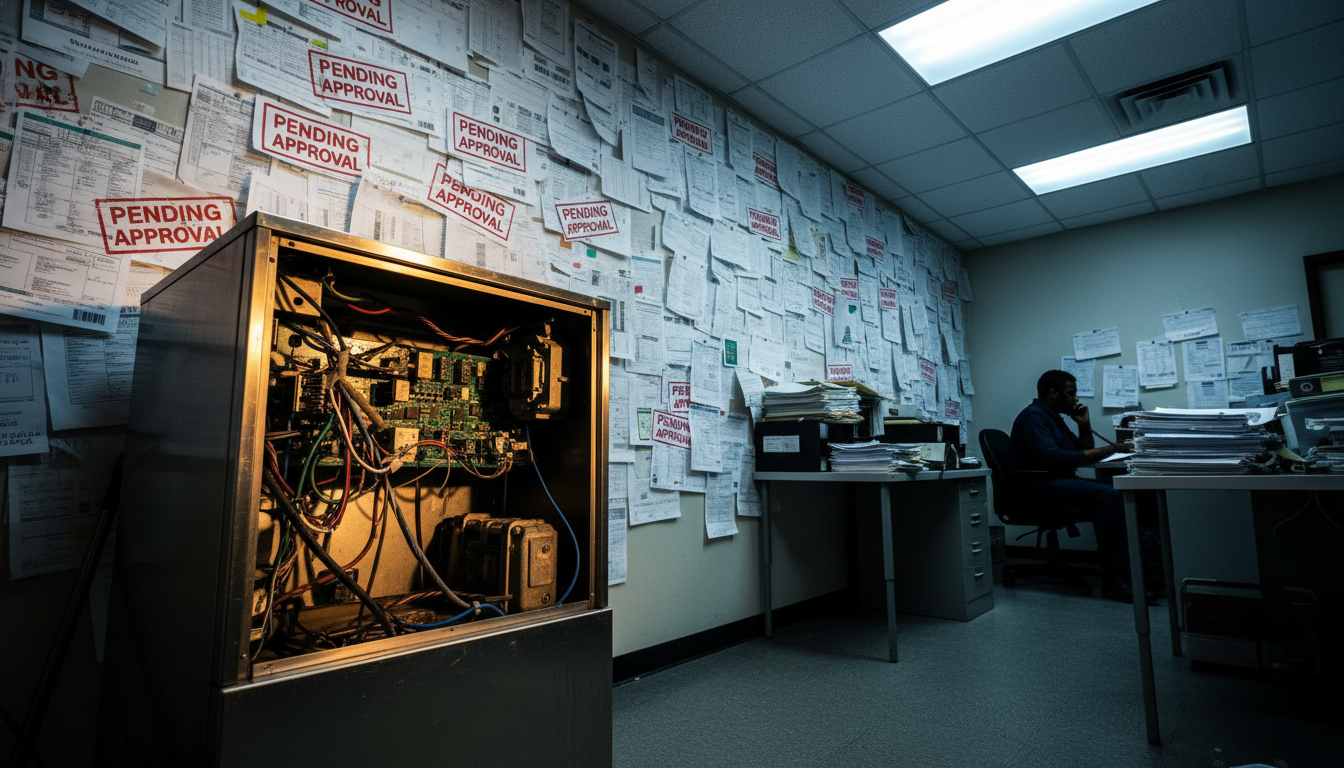
Three years ago, I watched a Millennium property get sold to a REIT. Same name on the building, same management contract, same everything — except suddenly every capital request had to go through guys in New York who'd never walked a hotel corridor.
The ice machine on the third floor stayed broken for eight months.
Hyatt just announced they're targeting 90% asset-light operations — meaning they'll manage properties they don't own. They're calling it "strategic focus" and "capital efficiency." Wall Street's calling it brilliant.
I'm calling it the beginning of the end of hotel companies actually caring about hotels.
Here's what happens when you don't own the building: Every decision becomes a negotiation. That lobby renovation your guests desperately need? Now it's a six-month approval process with an investment committee that measures success in cap rates, not TripAdvisor scores.
The PMS system that crashes twice a week? "Not in this year's budget."
The staffing levels that would actually deliver the brand promise? "Labor costs are already above target."
When Marriott or Hilton owns a property, bad guest reviews hurt their asset value directly. When they just manage it, bad reviews are someone else's problem — as long as the management fees keep flowing.
Hyatt's betting they can maintain brand standards through management contracts and franchise agreements. They're wrong. You can't deliver premium hospitality with someone else's checkbook.
The real story here isn't about Hyatt becoming more efficient. It's about hotel companies becoming landlord-dependent. And landlords don't care if your Wi-Fi works — they care if the rent check clears.
Every asset-light conversion is a property that will slowly drift from brand standards toward the minimum viable guest experience. The decline won't happen overnight. It'll happen one deferred maintenance item at a time, one understaffed shift at a time, one "that's not approved" at a time.
Hyatt's shareholders will love the improved margins. Hyatt's guests will wonder why everything feels a little cheaper, a little slower, a little more like every other hotel.
The ice machine will stay broken for eight months.
If you're managing a property Hyatt's about to sell, start documenting every deferred maintenance item now. When the new owners ask why revenue's declining, you'll need receipts showing what they wouldn't approve. And if you're thinking about joining an asset-light brand? Ask who really controls the capex budget. That's who really controls your guest satisfaction scores.