Hyatt Spent 13 Months Rebuilding Zilara Cancun. The Real Test Starts Now.
A 310-suite adults-only all-inclusive goes dark for over a year, reopens with speakeasies and hydrotherapy and 12 redesigned dining venues. The question isn't whether the renovation is beautiful... it's whether the brand promise survives the first full summer at 90% occupancy with a labor market that doesn't care about your mood board.
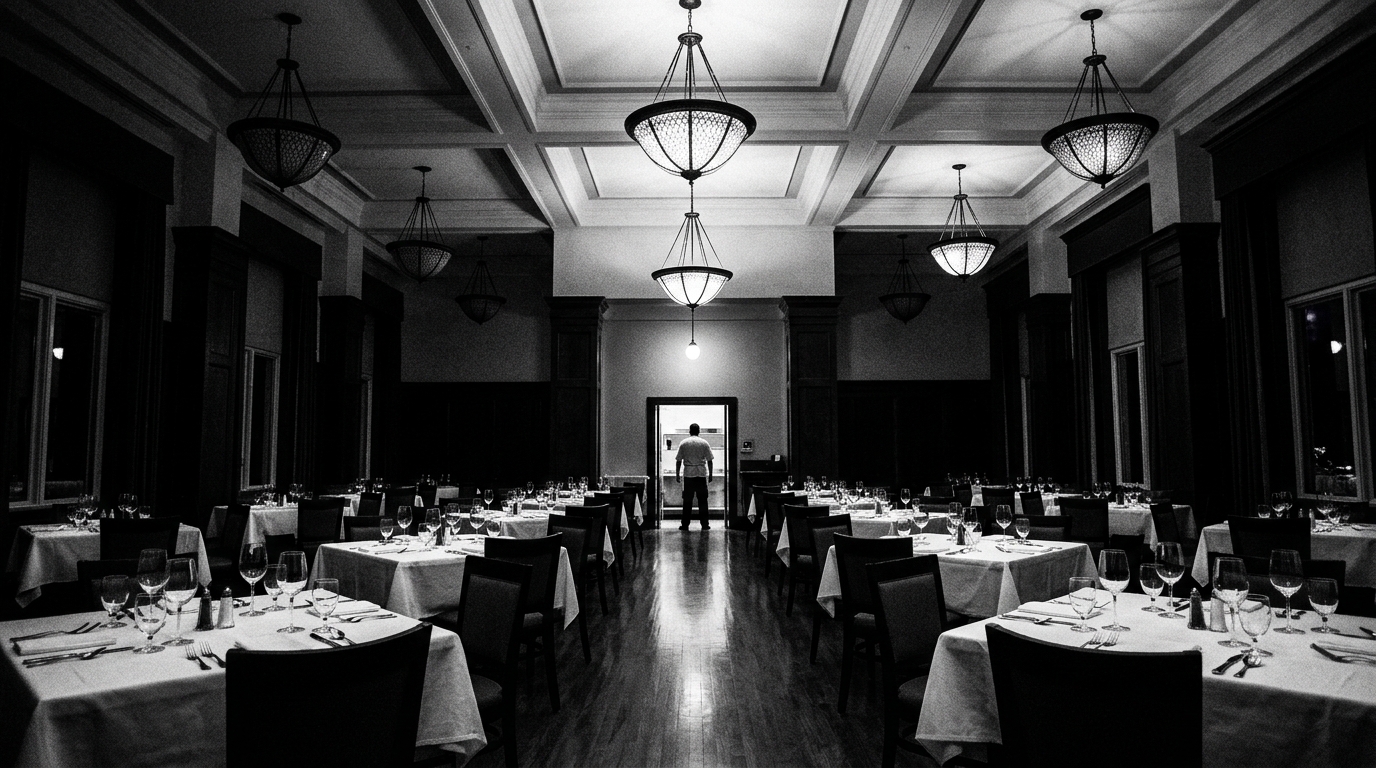
Let me tell you what I see when I read a renovation announcement like this one. I see the renderings. I see the press release language about "blending modern luxury with local character." I see the 23-seat speakeasy and the 10-guest interactive Mexican culinary experience and the reconfigured pool area with more shaded spaces. And all of it sounds gorgeous... genuinely. I've been in this business long enough to know when a renovation is cosmetic and when it's real, and shutting down a 310-suite resort for 13 months is not a paint job. That's a commitment. That's someone writing a very large check and saying "we're doing this right." I respect that. But here's where my brain goes immediately, because I've sat on both sides of this table: the renovation is the easy part. You hire designers, you pick finishes, you build beautiful things. The hard part is the morning after opening night, when the promise on the website meets the reality of a Tuesday in July with three call-outs in the kitchen and a guest who paid $800 a night expecting the speakeasy experience they saw on Instagram.
Hyatt has been building toward this moment for years. The Apple Leisure Group acquisition. The $2.6 billion Playa Hotels & Resorts deal last June. The addition of 22 Bahia Principe resorts to the Inclusive Collection just weeks ago. They now operate over 150 resorts and 55,000 rooms in this space, and the all-inclusive market is projected to nearly double from $67.4 billion to $134.8 billion by 2034. The strategy is clear: own the luxury all-inclusive segment before everyone else figures out it's the fastest-growing corner of hospitality. And the Zilara Cancun renovation is the showcase property... the one that's supposed to prove the thesis. A 23-guest speakeasy called Bokeh. A 10-person interactive dining concept. Twelve redesigned restaurants. This isn't a hotel renovation. This is a brand statement. And brand statements are my favorite thing to stress-test, because the gap between what a brand promises and what a property delivers is where owners get hurt.
Here's the question I keep coming back to: who is this for, and can you actually staff the experience they're promising? A 23-seat speakeasy requires a dedicated mixologist (probably two, if you're running it six nights a week with any consistency). A 10-guest interactive culinary experience requires a chef who can cook AND perform AND engage in a language the guest speaks. Twelve dining venues across 310 suites means you're running roughly one restaurant for every 26 rooms, which is an extraordinary F&B ratio that requires extraordinary labor depth. In the Mexican Caribbean. Where every luxury resort within 20 miles is competing for the same talent pool. Where the premiumization trend means every property is trying to hire the same bilingual sommelier and the same Instagram-worthy pastry chef. I've watched three different brands try to deliver "intimate, curated dining experiences" (and yes, I'm using "curated" with full awareness of the irony) in markets where staffing those experiences consistently is the single hardest operational challenge. The first month looks incredible. The photos are perfect. By month four, the speakeasy is closed two nights a week "for private events" that don't exist, and the interactive dinner is running with a sous chef who's lovely but doesn't have the same magic as the person they hired for the launch.
This is what I call the Brand Reality Gap... and it's wider in all-inclusive than anywhere else in hospitality. Because the promise is total. You're not selling a room and hoping the guest finds a good restaurant nearby. You're selling the room, the food, the drinks, the spa, the pool experience, and the vibe, all wrapped in a single rate that the guest paid before they arrived. Every leak in that journey... every restaurant that's slightly underwhelming, every pool bar that's understaffed at 2 PM, every spa appointment that gets rescheduled... erodes the perceived value of the entire stay. The guest didn't pay separately for dinner, so they can't rationalize a bad meal as "well, at least the room was nice." It's all one product. Which means the renovation has to deliver everywhere, simultaneously, every day. That's a spectacular operational challenge, and the press release doesn't mention it once.
I want this to work. I genuinely do. The all-inclusive segment deserves a luxury standard-bearer, and Hyatt has the infrastructure and the ambition to be that. The 13-month closure tells me they weren't cutting corners on the physical product. But physical product is maybe 40% of a brand promise. The other 60% is people, training, consistency, and the thousand small decisions that happen between 6 AM and midnight that no designer can blueprint and no rendering can capture. My dad spent 30 years delivering brand promises that headquarters dreamed up in conference rooms. He'd look at those 12 dining venues and that 23-seat speakeasy and say something like, "Beautiful. Now show me your staffing plan for August." And he'd be right. He was always right about that part.
Here's what I'd say to anyone running or developing an all-inclusive property right now. The Zilara renovation is going to reset guest expectations across the Mexican Caribbean... whether you're a Hyatt property or not. Guests who see those 12 redesigned restaurants and that speakeasy concept are going to walk into YOUR resort and wonder why your lobby bar has one bartender and a laminated menu. If you're competing in that corridor, audit your F&B labor model this month. Not your food cost... your talent pipeline. Can you staff your signature experiences seven nights a week through peak season without burning out the three people who actually deliver the magic? If the answer is no, you don't have a staffing problem. You have a promise problem. Scale the promise to what you can deliver consistently, because guests will forgive a smaller menu executed perfectly before they'll forgive a 12-venue concept where half the restaurants feel like an afterthought by September.