Hotel Workers Made $24 An Hour in a City That Costs $3,000 a Month. They Walked Out.
When hundreds of Hilton San Diego Bayfront workers hit the picket line over a $5 wage gap, management shipped in temps and called it "good faith negotiation." The question every owner and GM should be asking isn't whether the strike was justified... it's whether your own payroll math survives the same scrutiny.
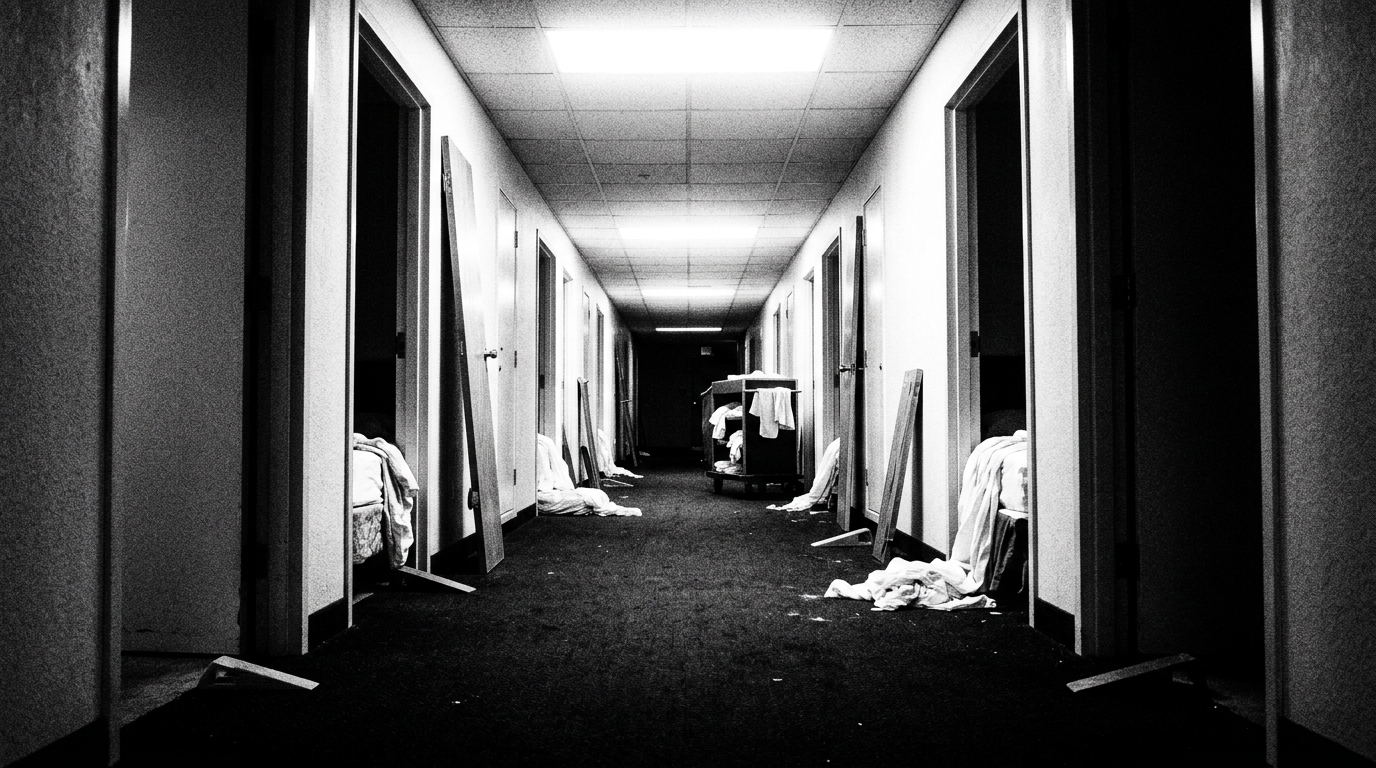
I grew up watching my dad staff a hotel. Not from a spreadsheet... from the hallway outside the kitchen where he'd grab whoever was available to cover a no-show on a Saturday night. So when I read about hundreds of housekeepers, cooks, servers, and front desk agents walking off the job at a major convention hotel in San Diego, my first thought wasn't about the union. It was about the Tuesday morning after. Who's folding the towels? Who's checking in the group? Who's pretending everything is fine in the lobby while the entire operational backbone of the building is standing outside with signs?
Here's what happened. Unite Here Local 30 workers at the Hilton San Diego Bayfront walked out on September 1, 2024, and stayed out for over 34 days. Their ask: a $5 per hour annual increase over three years. The hotel's counter: $1.25 per hour, then later $2.50 over 18 months. The workers were making roughly $24 an hour in a market where a one-bedroom apartment runs $2,000 to $3,000 a month. You don't need my filing cabinet to do that math... $24 an hour, full-time, is about $4,160 a month before taxes. After taxes, you're choosing between rent and everything else. These weren't people being greedy. These were people being honest about arithmetic. And meanwhile, 800 union members at the Hotel Del Coronado (also a Hilton property) were voting on strike authorization as their own contracts approached expiration. This wasn't a single-property problem. This was a market-wide pressure test.
What bothers me isn't that the strike happened. Strikes happen when the gap between what a company offers and what a worker needs gets wide enough that walking out feels less risky than staying. What bothers me is the response playbook... bring in temps, issue a statement about "good faith," and wait for the press cycle to move on. I've sat in brand meetings where labor actions were discussed as "disruptions to the guest experience." Not as a signal. Not as data. As a disruption. That framing tells you everything about who's in the room and who isn't. (Spoiler: the person folding towels at 6 AM is never in the room.) The brand kept saying services wouldn't be impacted. But you don't replace 19-year veterans with temp workers and maintain the same guest experience. You just don't. Anyone who's ever run a hotel knows the difference between a trained team and a warm body. The guest knows it too, even if they can't articulate why their stay felt... off.
The broader pattern here is the one I keep coming back to: the gap between what the brand promises and what the property can actually deliver, shift by shift, with the people who are actually there. A convention hotel like the Bayfront lives and dies on execution... group check-ins, banquet service, room turns for back-to-back events. That execution depends entirely on experienced staff who know the building, know the systems, know where the extra linen closet is on the third floor when the main one runs out. You cannot temp-staff your way through that. And when the brand's public position is "everything's fine" while the operational reality is anything but, that's not crisis management. That's brand theater. I've watched three different flags handle labor disputes this same way. The playbook hasn't evolved because the people writing it have never worked a short-staffed front desk during a 400-person group arrival.
What makes San Diego instructive isn't just the strike itself... it's what it reveals about the math that every hotel market in America is running right now. Wages haven't kept pace with housing costs in any major city. The pandemic gutted staffing levels and most properties never fully restored headcount, which means the people who stayed are doing more work for functionally less money when you adjust for inflation and cost of living. You can disagree with the union's tactics. You can argue about the right number. But you cannot argue that $24 an hour is a living wage in San Diego, because it demonstrably is not, and every owner and operator in a high-cost market is sitting on the same fault line whether there's a union involved or not. The strike was the visible version of a pressure that exists everywhere. The invisible version is your best housekeeper quietly putting in her two weeks because the Amazon warehouse down the street pays $21 with benefits and she doesn't have to park three miles from the building.
Look... if you're running a hotel in any market where your lowest-paid full-time employee can't afford a one-bedroom apartment within 30 minutes of your property, you have a labor risk that no temp staffing agency can solve. This is what I call the Brand Reality Gap... the brand sells an experience that depends on people, and then the compensation structure makes it impossible to keep those people. Here's what to do this week: pull your payroll, find your lowest hourly rate, and run it against local rent data. If the rent-to-income ratio breaks 40%, you're one competitor's signing bonus away from a staffing crisis. Don't wait for a picket line to tell you what the spreadsheet already knows. Bring this to your ownership group with a specific retention wage proposal and the cost of turnover beside it... because replacing a trained housekeeper costs you $3,000-$5,000 when you factor recruiting, training, and the productivity gap. The cheapest employee you have is the one who's already there and knows the building. Pay her enough to stay.