An Airbnb Guest Found a Box of 50 Pieces After the Host Joked About Hiding Bodies. Hotels Don't Have This Problem.
A woman fled an Appalachian Mountain Airbnb after the host made repeated jokes about hiding bodies and her dogs found a box with dozens of unidentified pieces inside. The story went viral on TikTok, and it's the kind of safety failure that no PMS upgrade or background check algorithm can actually solve.
So here's a question nobody in short-term rental tech wants to answer: what's the system architecture for detecting that your host is terrifying?
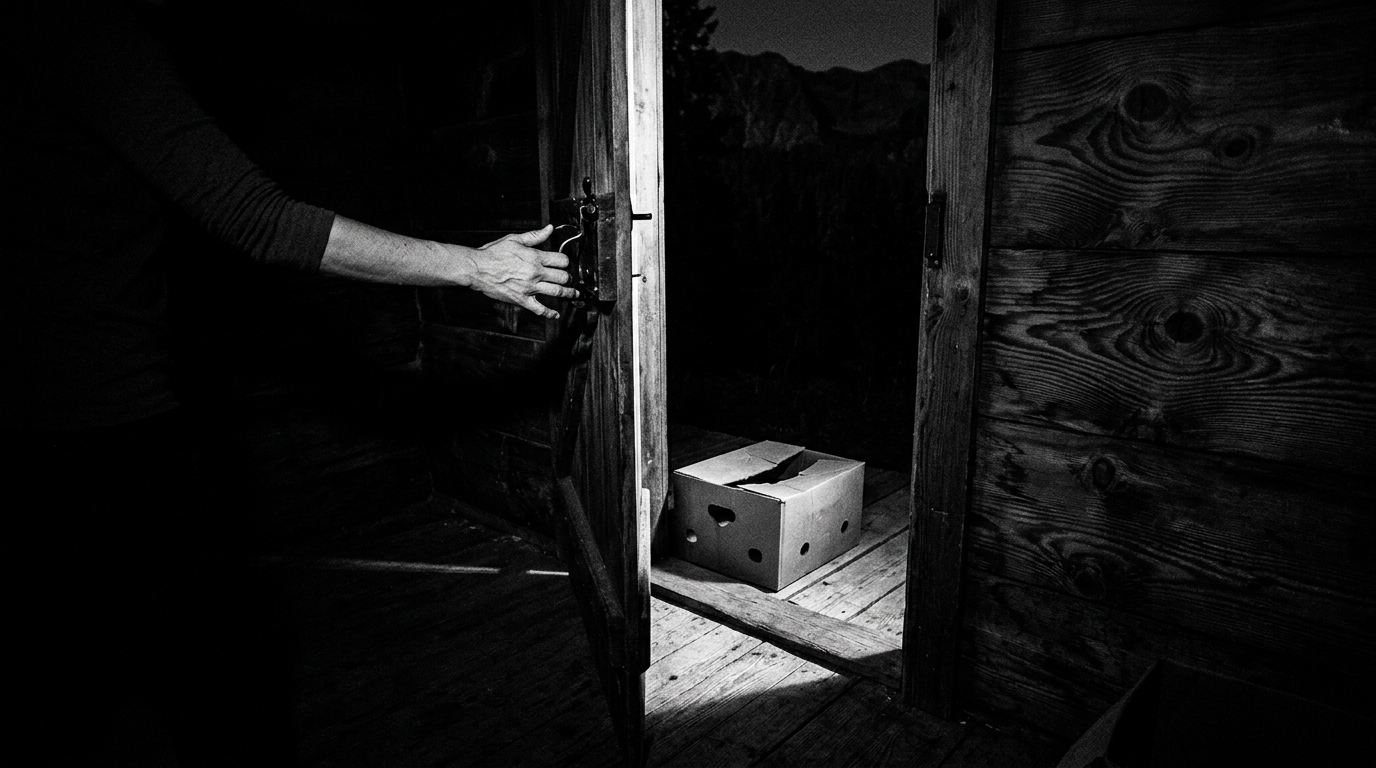
A guest named Sparrow booked an Airbnb in the Appalachian Mountains of Virginia. The host started making jokes about hiding a woman's body. Not one joke. Repeated jokes. Her dogs reacted badly to the host (animals know, by the way... I've watched a front desk dog at a property I consulted with zero in on sketchy guests with better accuracy than any facial recognition system on the market). Then she found a box with "at least 50 pieces" in the rental. She grabbed her dogs and left. Police are investigating.
Look, I'm a technology person. I evaluate platforms for a living. And the fundamental problem here isn't that Airbnb's background check system failed (though it might have... their checks pull public state and county criminal records and sex offender registries, which sounds comprehensive until you realize those databases are wildly inconsistent across jurisdictions). The fundamental problem is that short-term rentals have a structural safety gap that no amount of code can close. Hotels have a front desk staffed by employees who are accountable to a management company that's accountable to an owner that's accountable to a brand. That's four layers of liability sitting between a guest and a bad experience. Airbnb has a review system and a background check that may or may not catch anything, depending on which county database it queries. That's it. That's the whole stack.
I talked to an independent hotel operator last month who was losing bookings to STRs in her market. She was frustrated. I get it. But here's what I told her: you are selling something Airbnb literally cannot sell, which is operational accountability at 2 AM. When something goes wrong in your hotel, there is a human being on your payroll whose job it is to fix it. When something goes wrong in an Airbnb... when the host is making jokes about hiding bodies, when there's a box of unidentified items in the unit, when a guest feels unsafe at midnight in a rural mountain property with no neighbors... the guest's only option is to leave and call the police themselves. There's no night auditor. There's no security team. There's no manager on duty. There's an app with a customer service chat function. That's the product.
This isn't an isolated incident either. Just this month, a family filed a wrongful death lawsuit after a shooting at an Airbnb in West Toledo where the owner allegedly watched the event on security cameras without intervening. There's a murder trial in Australia involving an Airbnb guest who allegedly killed the host. These aren't edge cases that happen once and get fixed... they're the predictable output of a platform where the "safety infrastructure" is a set of community guidelines and a liability insurance policy that explicitly excludes intentional acts. I've evaluated a lot of technology platforms. None of them would pass even a basic version of what I'd consider an acceptable failure-mode analysis if the failure mode is "guest encounters a dangerous person and the system's response is... nothing in real time."
The short-term rental industry will tell you this is about "bad actors" and that the vast majority of stays are safe. Fine. That's probably true. It's also true of every technology system I've ever evaluated... the vast majority of transactions work correctly. The question I always ask is: what happens when it fails? And in this case, what happens when it fails is that a woman is alone in the Appalachian Mountains with a host who's joking about where to hide her body, and the platform's real-time intervention capability is zero. Hotels aren't perfect. But they have people. On-site. Accountable. Trained. That's not a feature you can replicate with an algorithm. It's infrastructure. And it's the one competitive advantage that every hotel operator already has and most of them are terrible at marketing.
If you're running an independent or a select-service property and you're losing bookings to STRs in your market, stop competing on price and start competing on the thing they can't offer: safety infrastructure. I don't mean put "safe and secure" on your website... I mean tell the story. You have a human being on-site 24 hours a day. You have fire suppression, ADA compliance, security cameras in public areas, and a management company with liability insurance that actually covers incidents. That's not a talking point. That's a structural advantage. Put it in your direct booking messaging. Put it in your OTA descriptions. Every time a story like this goes viral (and they go viral every few weeks now), it's a marketing opportunity you're not using. Talk to your sales team this week about how you position safety against STR competition. Not defensively. Confidently. You already have the product. Sell it.