An Airbnb Guest Destroyed a Rental on Mushrooms. Hotels Should Be Paying Attention to What Happens Next.
A drug-fueled meltdown at a Minnesota Airbnb ended in arrest, property damage, and assault charges. The real story for hotel operators isn't the incident itself... it's the regulatory wave building underneath it that could reshape your comp set overnight.
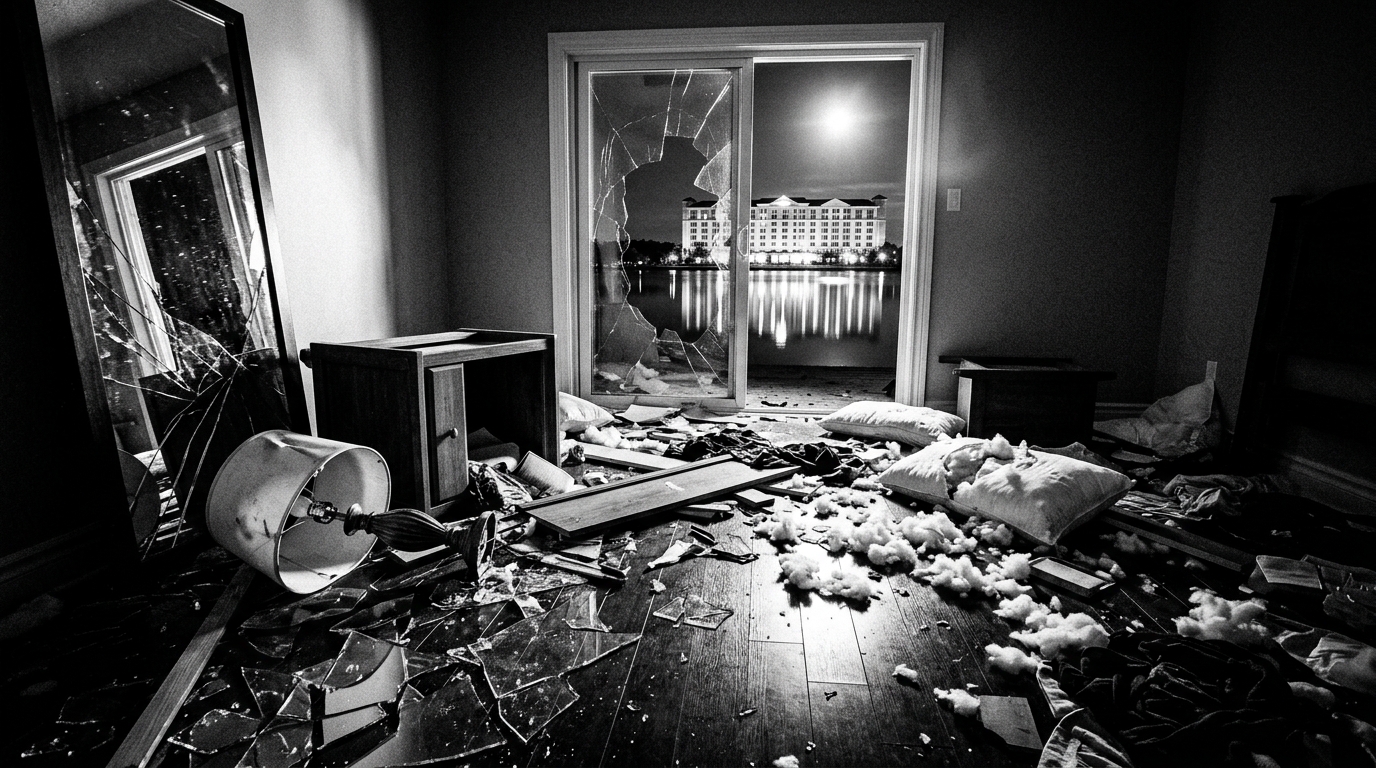
So here's what happened. An 18-year-old guest at an Airbnb in Otter Tail County, Minnesota, consumed mushrooms, went completely off the rails... throwing furniture, breaking mirrors, assaulting his girlfriend, biting through a spit hood at the hospital. Deputies found him unclothed and screaming on the upper level. The property got trashed. Charges filed. Local news picked it up. And now the county board is actively drafting new short-term rental ordinances driven by exactly this kind of incident.
Look, the incident itself isn't the story. People do dumb things in hotel rooms too (I've heard enough 2 AM front desk calls to know). The story is what's happening at the regulatory level. Otter Tail County is a vacation destination with hundreds of short-term rentals, and the complaints have been piling up... noise, parties, gatherings that overwhelm residential neighborhoods. This arrest just gave local officials the ammunition they've been waiting for. And this isn't isolated to rural Minnesota. Municipalities everywhere are tightening STR rules, and every incident like this accelerates the timeline. Federal agents busted an alleged Airbnb drug network in Minnesota just last month... 1.6 pounds of meth, $26,000 seized, rentals being used as stash houses. That's the pattern local governments are responding to.
Here's what actually matters for hotel operators, especially independents and select-service properties in leisure and vacation markets. Every new STR ordinance... every occupancy cap, every registration requirement, every noise violation fine... adds friction to the short-term rental supply in your comp set. Friction reduces supply or raises operating costs for hosts, which narrows the rate gap between an Airbnb and your property. I talked to an independent operator in a lake market last year who told me his weekday occupancy jumped 4 points after the county started enforcing STR permit requirements. Four points. Not because he did anything different. Because 15% of his Airbnb competition didn't bother getting permits and quietly disappeared from the platform.
But here's the part most operators miss. This regulatory wave doesn't help you automatically. It helps you if you're positioned to capture the demand that gets displaced. That means your booking channels need to be visible where STR guests are searching (and that's not just your brand.com... it's Google Maps, it's metasearch, it's the OTA filters that vacation travelers actually use). It also means your product needs to compete on the things STR guests value... kitchen access, space, flexibility, pet policies. If displaced STR demand shows up at your front desk and the experience feels rigid and institutional compared to what they're used to, you've won the booking and lost the repeat guest.
The technology angle here is real too. Airbnb has invested heavily in trust and safety tools... guest verification, neighborhood support lines, listing removal for violations. They removed thousands of listings that failed quality standards in Q1 2024 alone. The platform is self-regulating because the alternative is government regulation that's much worse for their model. Hotels have had this infrastructure forever... it's called a front desk, a security team, and a GM who answers the phone at midnight. That's actually your competitive advantage, and it's worth more in markets where STR incidents are making headlines. The question is whether your tech stack lets you tell that story to the guest before they book. Most hotel websites don't. Most booking engines don't. The "safe, professionally managed, someone's-actually-here-if-something-goes-wrong" message is sitting right there and almost nobody in our industry is using it.
If you're running a hotel in a leisure or vacation market with significant Airbnb competition, this is your window. Start tracking your local municipality's STR regulatory activity... city council agendas, county board minutes, planning commission hearings. That's free intelligence about your future comp set. If new ordinances are coming, get ahead of the displaced demand by auditing your OTA listings and Google Business profile for the search terms vacation renters actually use. And here's the actionable piece most people skip... look at your house rules. Pet policies, extended stay flexibility, kitchen or kitchenette availability. The demand moving from STRs to hotels brings different expectations. If your cancellation policy is stricter than Airbnb's and your check-in feels like a TSA checkpoint, you're going to lose that guest to the next property that figured this out. This is what I call the Three-Mile Radius. Your revenue ceiling isn't set by your room count... it's set by what's happening in the three miles around your property. And right now, what's happening is STR regulation. Pay attention to it before your competitor does.