A Shooter At The Washington Hilton. And Every Hotel GM Just Got A New Security Question They Can't Dodge.
A gunman charged a Secret Service checkpoint at the Washington Hilton during the White House Correspondents' Dinner, and the fact that he was likely a registered guest changes the security calculus for every hotel that hosts high-profile events. The question isn't whether your property is a target... it's whether your security plan accounts for the threat already inside the building.
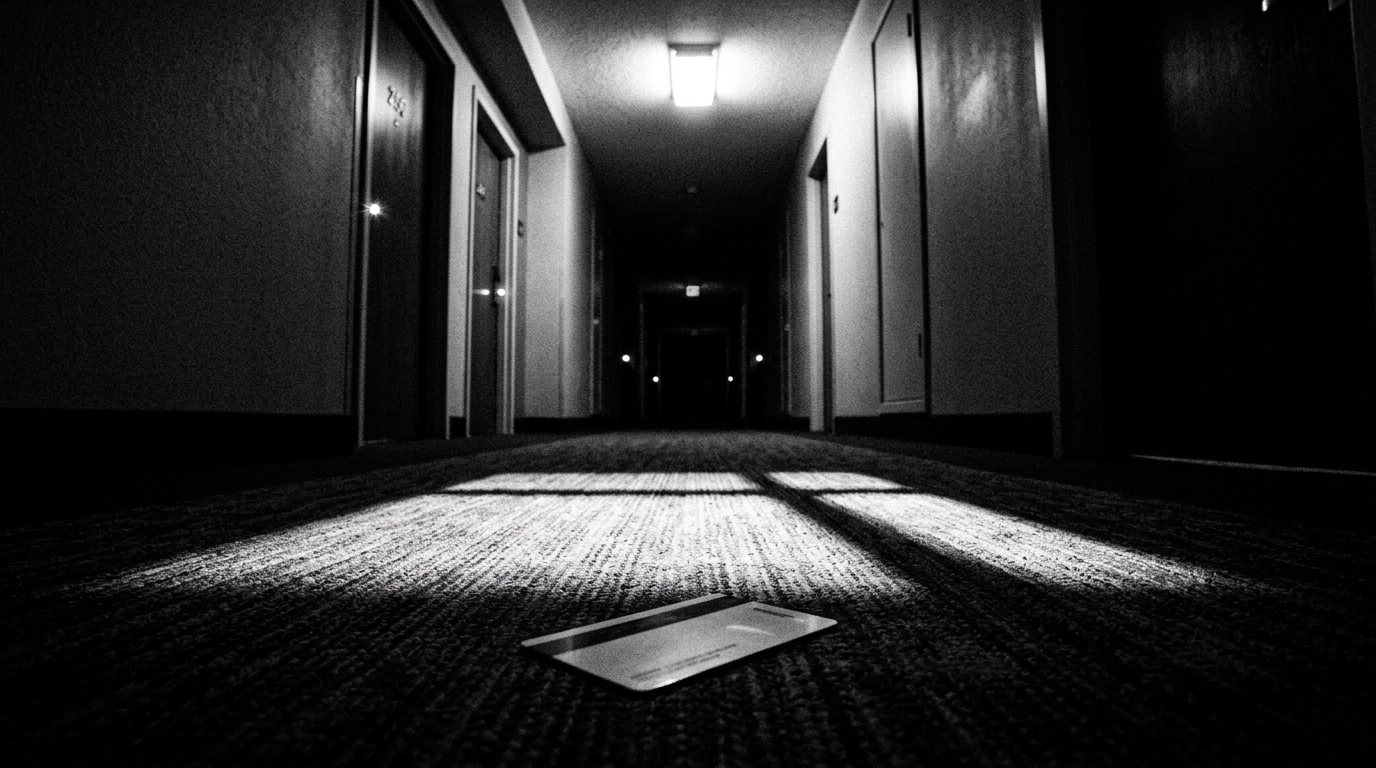
I grew up in hotels where my dad hosted governors, senators, regional power players... the kind of events where the security team showed up with earpieces and a floor plan and everyone at the front desk pretended it was totally normal. And every single time, the conversation was the same: secure the ballroom, secure the entrance, credential the guests. The perimeter was the obsession. Nobody talked about the person already sleeping in room 614.
Saturday night at the Washington Hilton, a 31-year-old man armed with a shotgun, a handgun, and multiple knives charged a Secret Service checkpoint during the White House Correspondents' Dinner. One agent took a round to the vest and survived. The suspect was a hotel guest. Let me say that again for every director of security, every GM, every brand executive who's ever approved an event security plan: the threat was already checked in. He had a room key. He'd walked through the lobby, ridden the elevator, maybe smiled at the front desk agent. He was inside the building before the magnetometers were even set up, because that's how hotels work... you're a guest until you're not, and by the time you're not, it's too late.
This is the tension that no brand standard, no SOP binder, no "enhanced security protocol" press release is going to resolve cleanly. Hotels are, by design, open. That's the product. You walk in, you're welcomed, you belong. A hotel that screens every guest like an airport isn't a hotel anymore... it's an institution. And yet. A property hosting an event attended by the President of the United States had the shooter sleeping under the same roof, and the current model treated him as a customer right up until he pulled a weapon. I've sat in brand security reviews where the conversation is always about external threats... the uninvited person, the crasher, the protester outside. The internal threat... the person who booked a reservation specifically to be inside the security perimeter... that's the scenario nobody wants to game out because the solution set is ugly. It means guest screening. It means restricting access within your own building. It means potentially turning away revenue. And nobody at the brand level wants to write that playbook because it contradicts everything hospitality is supposed to be.
Here's what's going to happen. Brands will release updated event security guidelines within 90 days. They'll use phrases like "enhanced vetting protocols" and "coordinated law enforcement partnerships." Some of it will be meaningful. Most of it will be theater designed to reassure ownership groups and event planners that the brand has "addressed" the situation. The real change... if it comes... will happen property by property, GM by GM, in the specific decisions about whether to sell rooms to the general public during high-security events, whether to install interior access controls between guest floors and event spaces, and whether the cost of those measures (in both dollars and guest experience friction) is worth the liability reduction. I've watched three different flags handle security incidents over the years. The pattern is always the same: crisis, corporate memo, new SOP section nobody reads after 60 days, then back to normal until the next one. The properties that actually get safer are the ones where the GM takes it personally and builds it into operations regardless of what the brand memo says.
President Trump said the incident proves the White House needs its own ballroom for events like this. Maybe. But that solves the problem for one dinner a year. It doesn't solve it for the thousands of hotels hosting high-profile corporate events, political fundraisers, galas, and conferences where the security model still assumes the threat is coming from outside. The Washington Hilton just demonstrated, in the most public way possible, that the threat can have a reservation confirmation number. That's a different problem. And it requires a different conversation than the one this industry has been having.
Let me be direct. If your property hosts events that attract any level of security presence... political, corporate, high-net-worth... you need to pull your event security SOP this week and ask one question: does this plan account for a threat that's already a registered guest? If the answer is no, and for most of you it will be, start the conversation now with your director of security and your local law enforcement contacts. Don't wait for the brand to send you a memo. You should be the one bringing this to your ownership group with a specific proposal: what would it cost to implement interior access segmentation between guest floors and event spaces during high-security bookings? Get a number. Get a timeline. Because the next time an event planner asks about your security capabilities, "we follow brand standards" isn't going to cut it. The GM who already has a plan... and can articulate the cost... is the one who keeps the business.