A Collapsed Hotel Group's Leftovers Just Became Someone's Turnaround Play. 56 Keys in Cornwall.
BH Group picked up a shuttered Cornish hotel from the wreckage of a pandemic-era collapse and is betting multi-millions on a spa-led restoration in a market running 83% occupancy. The interesting part isn't the renovation... it's what the acquisition math tells you about distressed hospitality assets six years after COVID killed the original owner.
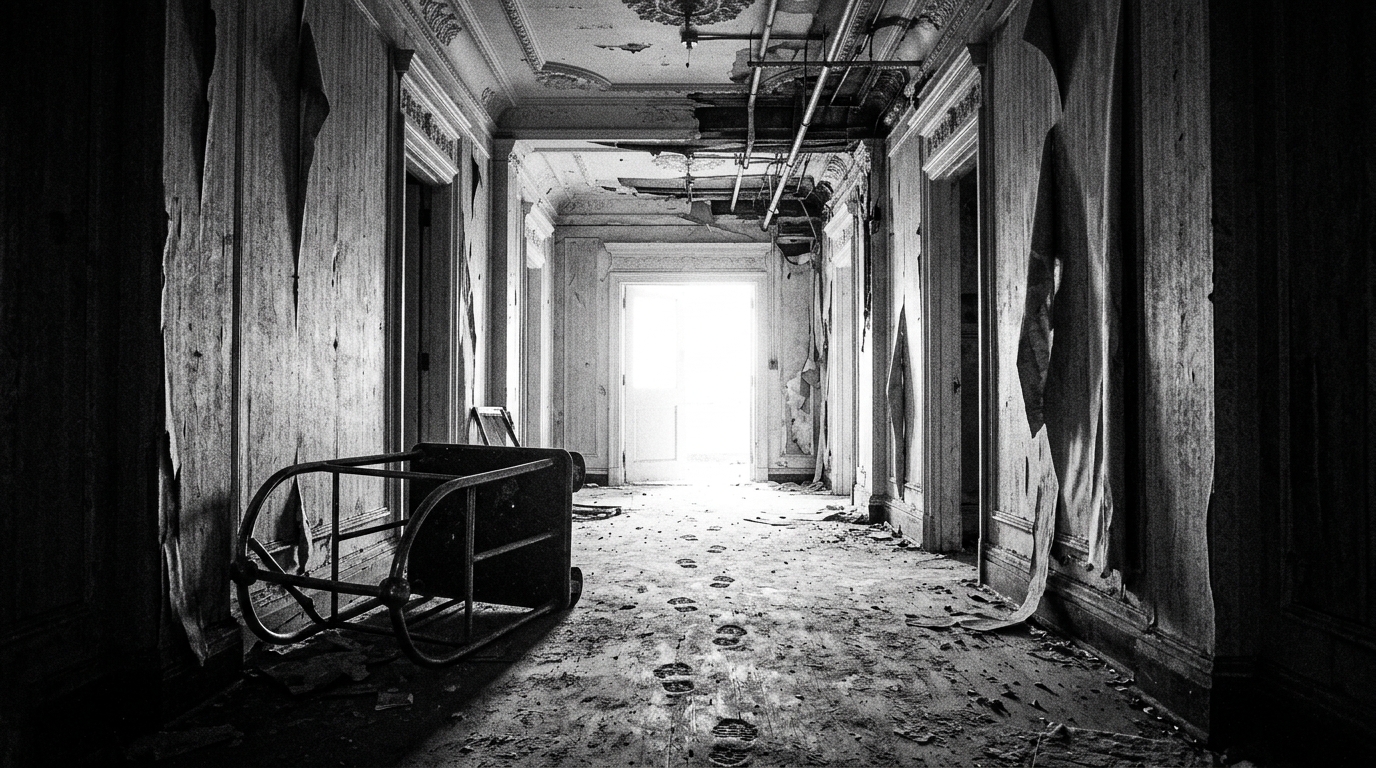
I worked with a GM years ago who had a phrase for properties like this one. He called them "orphan hotels." Buildings that were perfectly fine... decent bones, good location, loyal local following... that ended up abandoned because the company above them imploded. The hotel didn't fail. The ownership structure failed. And now someone with fresh capital and a longer time horizon picks it up for a fraction of replacement cost and everyone acts like they discovered something.
That's what's happening in St Mawes, Cornwall. BH Group acquired the Ship and Castle Hotel as part of a five-property deal last year. The previous parent company, a leisure group, collapsed in May 2020 when COVID pulled the floor out from under the UK tour operator model. The hotel sat. For years. Now BH Group is pouring multi-millions into a full restoration... 56 rooms, new spa with hydrotherapy pool, restaurant, bar, the works. First phase opens this summer. Full reveal by autumn. They're projecting 75 permanent jobs in a village that probably doesn't have 75 people looking for work.
Here's what caught my eye. Cornwall ran 83% occupancy with ADR north of £120 last summer. That's a market that wants product. And BH Group isn't new to this game... they dropped £7.5 million on a resort renovation in Falmouth about eight years ago and reportedly £8 million on another property in the Lake District. So they have a playbook. They buy distressed or underloved assets in strong leisure markets, invest heavily in the physical product (particularly spa and F&B), and bet on the UK staycation trend that's been building since well before the pandemic. It's not complicated. But "not complicated" and "easy to execute" are very different things, and the renovation timeline they're advertising... acquired in 2025, phased reopening by summer 2026... is ambitious for a property that's been sitting dormant.
This is what I call the Renovation Reality Multiplier. The press release says summer 2026. The building says 1978 wiring, years of deferred maintenance from an ownership group that was circling the drain long before it actually went under, and a construction market where skilled trades in tourist-heavy coastal towns aren't exactly sitting around waiting for the phone to ring. Every renovation I've ever been involved with had a timeline. Every renovation I've ever been involved with also had a REAL timeline. The gap between those two numbers is where operator pain lives. If they open the first phase on schedule with the product dialed in, I'll be the first to tip my cap. But I've been doing this too long to take a press release timeline at face value.
The bigger story here is one that applies well beyond Cornwall. The pandemic created a generation of orphan hotels. Properties attached to overleveraged operators, tour companies, or ownership groups that couldn't survive 18 months of zero revenue. Those properties are still working their way through the system... being picked up by better-capitalized groups who see the asset underneath the distress. If you're an owner or investor looking at similar opportunities, the acquisition price is only the beginning. The real question is what five years of neglect did to the MEP systems, the roof, the guest bathrooms, and the local reputation. Because you're not just renovating a building. You're resurrecting a brand that the community watched die. That takes more than a spa and a new lobby. It takes operational excellence from day one, and it takes longer than you think.
If you're looking at distressed acquisitions in strong leisure markets... UK, US coastal, mountain resort... here's the checklist nobody puts in the pitch deck. First, get an independent building condition survey before you model CapEx. Not the seller's report. Yours. Properties that sat dormant for two or more years have mechanical system degradation that doesn't show up in a walkthrough. Second, budget 30% above your renovation estimate for contingency on any building with pre-1990 infrastructure. I've never seen a coastal property come in on budget. Salt air alone does things to HVAC systems that will make your contractor weep. Third, and this is the one people miss... your staffing plan needs to account for the reality that you're hiring in a small market where the last hotel operator burned the talent pool. Those 75 jobs BH Group is creating? Those people have to come from somewhere, and if the previous operator left a bad taste, your recruiting just got harder and more expensive. Start that process now, not when the paint is drying.