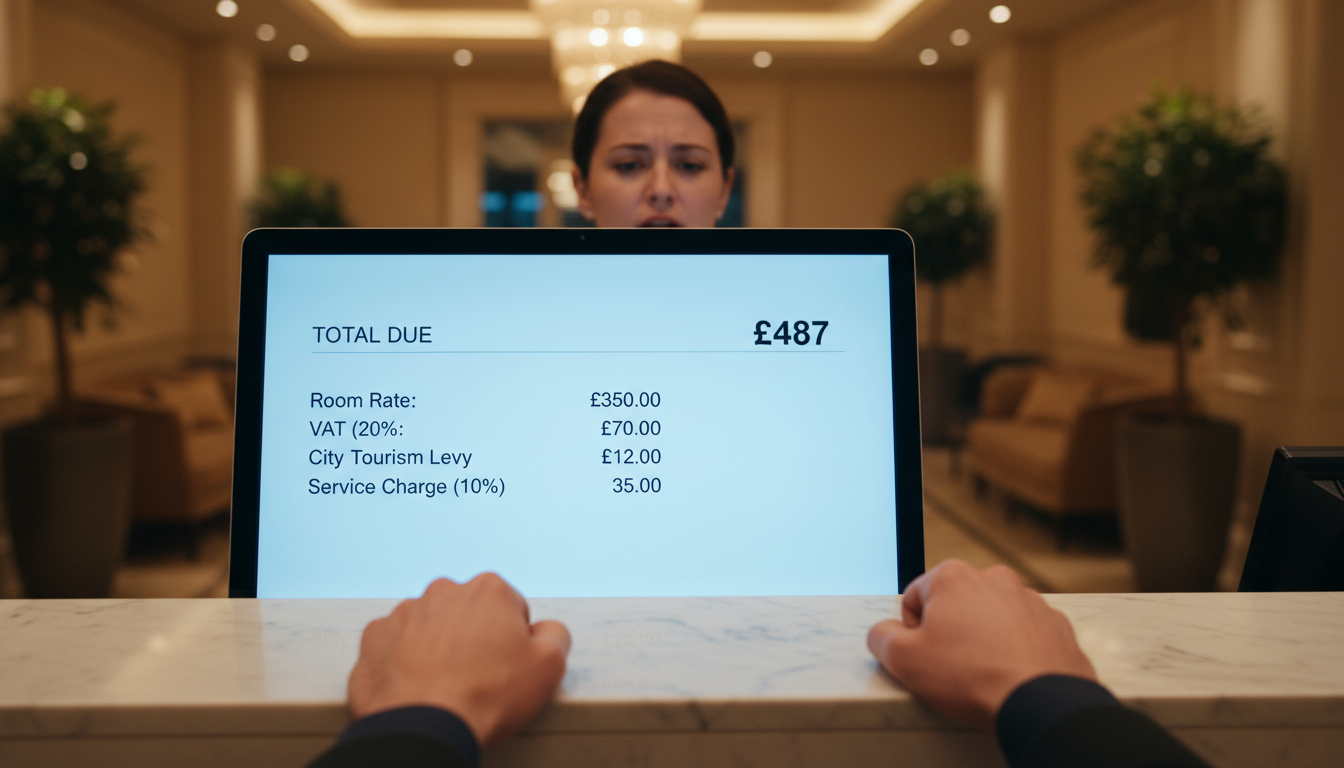
Why UK Tourism Taxes Will Backfire Spectacularly
Hospitality leaders are begging the Chancellor to scrap visitor levies. They're fighting the wrong battle — and about to lose the war.
The United Kingdom represents a major European hospitality market characterized by significant tourism activity and evolving regulatory pressures. The market encompasses diverse accommodation segments ranging from luxury London properties to boutique establishments in secondary cities like Edinburgh. Recent policy developments, including tourism taxation initiatives under Chancellor Rachel Reeves' administration, are reshaping the operational and financial landscape for hotel operators.
The UK market faces competitive pressures from alternative destinations, particularly the United States, in attracting international leisure and business travelers. Industry discussions center on the practical implications of new tax structures and their potential impact on hotel profitability and competitiveness. Award recognition within the boutique sector continues, though market participants increasingly focus on substantive operational metrics rather than accolades alone.
For hotel operators and investors, the UK market requires close monitoring of regulatory changes and their downstream effects on margins and demand patterns. The market's maturity and established infrastructure present both stability and challenges as taxation policies evolve.
Hospitality leaders are begging the Chancellor to scrap visitor levies. They're fighting the wrong battle — and about to lose the war.
A Norfolk hotel just made another "best of" list. Before you dismiss it as marketing fluff, understand what these awards actually signal about guest expectations at your property.