Chicago is a major North American hotel market and a key focus area for hospitality industry analysis. As a primary commercial and leisure destination, the market serves as a barometer for broader trends affecting hotel operations, technology adoption, and capital investment decisions across the sector.
The market has been referenced in recent industry discussions spanning operational strategy, revenue management technology, and capital allocation patterns. Chicago's significance to the hotel industry extends to policy considerations, including visitor levies and taxation structures that impact operating margins and investment returns. The market's performance and strategic developments inform broader conversations about adaptive reuse projects, staffing challenges, and the practical implementation of technology solutions in hotel operations.

Operations
Primary
Jun 24
Chicago's lawsuit against Airbnb isn't just about one platform or one rogue operator running 167 units on a single hotel license. It's the clearest signal yet that cities are done asking nicely, and the compliance infrastructure most short-term rental operators are ignoring is about to become very, very expensive.

Pebblebrook's Q3 2025 numbers show a company that outperformed estimates on FFO and RevPAR while posting a net loss north of $30 million. The "beat" headlines miss what the owner's actual return looks like after debt service, cap-ex, and a $0.01 quarterly dividend.

Pebblebrook's Q4 beat and San Francisco recovery make for a great earnings narrative, but when you peel back the full-year net loss, the impairment charges, and a 2026 outlook that still might land in the red, "confident" starts to look like a very specific word choice for a very specific audience.
📡
Get the Briefing Every Morning at 6AM
Join hotel operators, owners, and investors who start their day with InnBrief.
Free forever. Unsubscribe anytime. No spam — just signal.

Operations
Primary
Mar 16
A 33% collapse in global air traffic and nearly 6% domestic decline aren't just airline problems. They're hotel problems. And if you're running a gateway city property that built its rate strategy on international inbound and business travel, the phone calls from your owners are about to get uncomfortable.

Marriott and Google want you excited about AI-powered direct booking. The real story is who controls the guest relationship — and who just lost leverage.
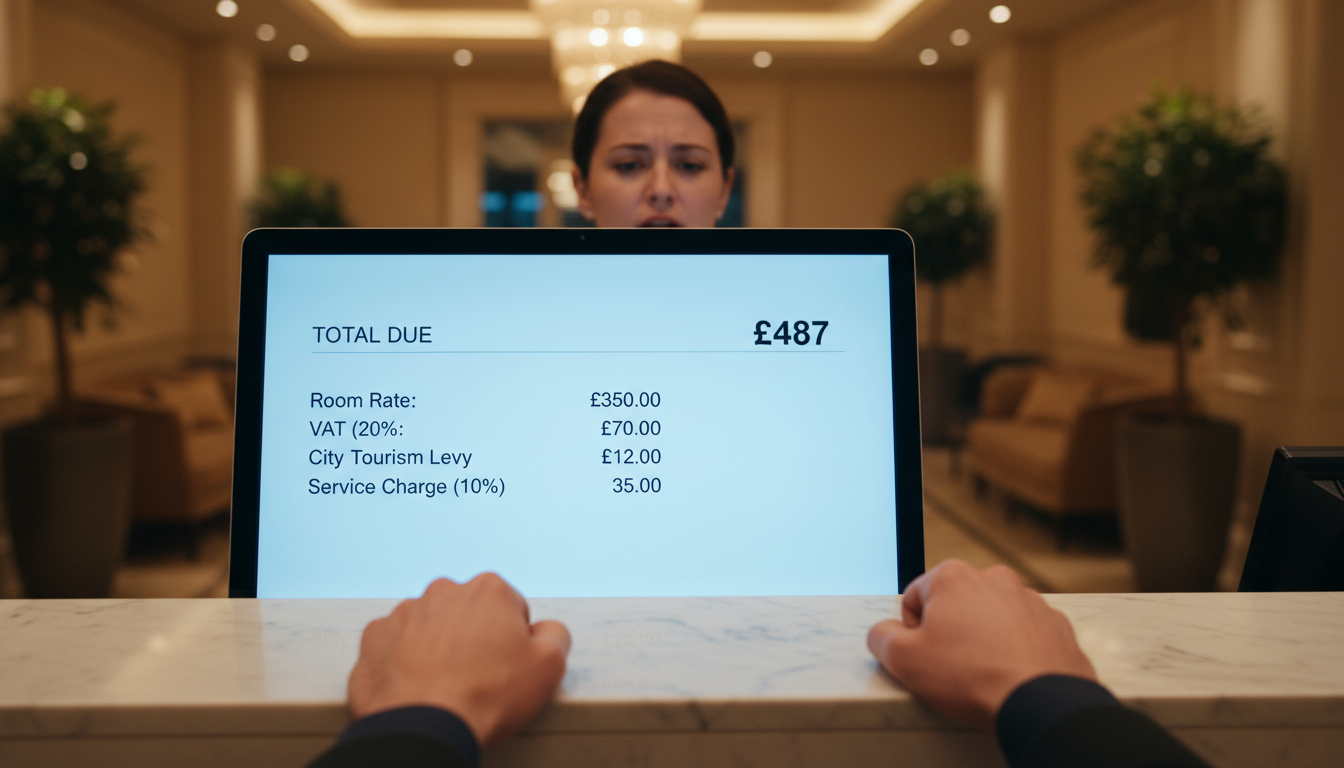
Hospitality leaders are begging the Chancellor to scrap visitor levies. They're fighting the wrong battle — and about to lose the war.

Hotels are about to spend millions on AI that can chat in 47 languages and predict guest preferences. The uncomfortable truth? It's going to expose every mediocre employee you've been making excuses for.

Hotel Viata brought Gerard Kenny on as executive chef while most independents are still figuring out whether to do grab-and-go or partner with Uber Eats. That's either brilliant or reckless.

When a European institutional investor drops millions into a struggling U.S. hotel REIT, they're not being charitable. Allianz Asset Management just took a 401,189-share position in RLJ Lodging Trust, and the timing tells you everything.

Two historic prisons — one in Nara, one in Istanbul — are becoming luxury hotels. The headlines write themselves, but the operating economics tell a different story.

Another year, another wave of headlines promising that technology will transform hospitality. I've heard this story for two decades, and the properties that win still get the fundamentals right first.