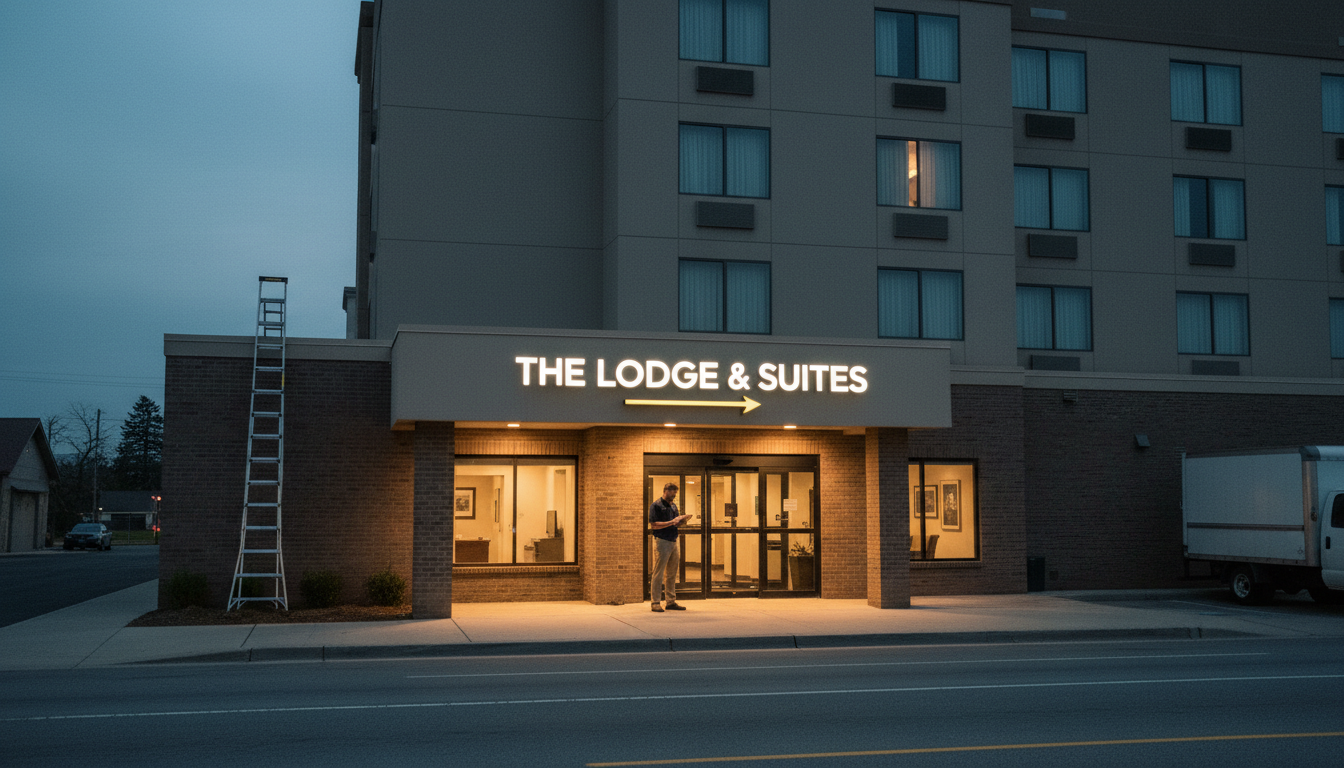
Tulsa is a mid-sized metropolitan market in northeastern Oklahoma with a population of approximately 400,000 in the city proper and over 1 million in the greater metropolitan area. The market serves as a regional business and leisure hub, supported by energy sector activity, convention facilities, and cultural attractions including the Philbrook Museum and performing arts venues.
The Tulsa hotel market functions as a secondary gateway for business travel and regional tourism in the south-central United States. The market supports a mix of upper-midscale and upscale properties catering to corporate travelers, conference attendees, and leisure visitors. Economic drivers include oil and gas operations, manufacturing, and healthcare sectors, which generate consistent demand for hotel accommodations and meeting space.
Tulsa's significance to hotel operators relates to its position as an underserved secondary market with stable demand fundamentals and lower competitive density compared to major metropolitan areas. The market presents opportunities for select-service and extended-stay concepts targeting business travelers, as well as boutique properties serving the leisure segment.
A CEO resigns over ties to a convicted predator. The brand machine mourns leadership. But the real question is why it took this long — and what the franchise agreement says about reputational risk flowing downhill.
A PR piece about a cultural ceremony in Quzhou, China just landed in my inbox tagged as hospitality "technology" news. Let me show you what's actually wrong with industry news distribution.
📡
Get the Briefing Every Morning at 6AM
Join hotel operators, owners, and investors who start their day with InnBrief.
Free forever. Unsubscribe anytime. No spam — just signal.
The InnBrief Daily
92% open rate — operators read this.
Hotel industry intelligence in your inbox every morning at 6AM. No fluff.