Macau is a Special Administrative Region of China and one of the world's largest gaming and hospitality markets. The territory generates substantial gaming revenue and attracts millions of visitors annually, making it a critical destination for major casino-hotel operators. The market is characterized by high-end gaming properties, luxury accommodations, and premium service expectations that differentiate it from other Asian gaming destinations.
The Macau market operates under a unique regulatory framework that influences property development, gaming operations, and licensing. Major operators including Wynn maintain significant presences in the market, competing for premium customer segments. Recent performance trends in Macau properties provide benchmarks for understanding luxury hospitality operations and premium service delivery in high-value gaming markets, with particular relevance to how operators balance gaming revenue with broader hospitality service standards.

Macau's hotels posted 90.4% occupancy in the first half of 2026 while actually hosting fewer guests than last year. If you think that sounds like a math problem, you're right... and the answer tells you something uncomfortable about where casino resort markets are heading.
Macau just posted a 90.4% hotel occupancy rate for the first half of 2026 while five-star room rates actually declined year-over-year. If you think high occupancy automatically means a healthy hotel market, you haven't been paying attention to who's actually walking through the door.

MGM China just doubled the branding fee it pays back to its own parent company, adding $44 million a year to the expense line while EBITDAR drops 15%. If that structure sounds familiar, it should... it's the same fee creep every franchisee in America lives with.
📡
Get the Briefing Every Morning at 6AM
Join hotel operators, owners, and investors who start their day with InnBrief.
Free forever. Unsubscribe anytime. No spam — just signal.

Operations
Primary
Jul 30
MGM China posted HK$17.4 billion in record first-half revenue while adjusted EBITDA actually declined... a pattern every operator who's ever been told to "grow the top line" should recognize immediately.

Las Vegas Sands just posted a quarter where net income fell 28% and they missed EPS estimates by a mile, then turned around and bought back nearly $800 million of their own stock. If you're an operator watching a casino company prioritize Wall Street over property-level reinvestment, you've seen this movie before.

Las Vegas Sands posted $0.53 EPS against $0.79 consensus and kept the $0.30 quarterly dividend unchanged while adding $6 billion in buyback authorization. When a company misses revenue by $160 million and responds by accelerating capital returns, the signal isn't confidence — it's a bet that the miss doesn't repeat.
Operations
Primary
Jul 23
Las Vegas Sands posted a quarter that looked ugly on the surface... earnings missed by 30%, stock dropped 5%, and Macau EBITDA fell 24%. But strip out the hold variance and what you find underneath is a company that grew gaming volumes 30-73% while everyone else in the market stayed flat.
Las Vegas Sands just posted a Q2 miss on every major line item, then bought back $787 million in stock and declared the same quarterly dividend. If you're an investor reading the payout as a sign of strength, check the margin compression underneath it.
Operations
Primary
Jul 22
Las Vegas Sands lost an estimated $87 million in EBITDA because its best customers flew to the U.S. to watch soccer instead of gambling in Singapore and Macau. The real question is why a $3 billion-a-quarter company still gets blindsided by a calendar event everyone saw coming four years ago.

Wynn Resorts' Q1 revenue jumped 9.2% on Macau strength, but the stock closed at $96.64 against a 52-week high of $134.72. When analysts start trimming targets while maintaining "overweight" ratings, that gap between narrative and price action tells you more than the earnings call.

Mediolanum cut its Las Vegas Sands position by 53% in Q1, and they weren't alone. With Q2 earnings dropping tomorrow and Macau revenue down 12%, the gap between analyst consensus and actual trading price tells you everything about where institutional confidence stands.

Operations
Primary
Jul 16
Wynn Resorts posted $1.86 billion in Q1 revenue, up nearly 10% year-over-year, and Wall Street responded by hammering the stock to a 52-week low. When your top line grows and your bottom line can't keep pace, the problem isn't the market... it's what you're spending to stay in it.

Assenagon Asset Management cut its Las Vegas Sands position by 50% in Q1, and the financial press treated it like news. For anyone actually running a casino resort or hospitality operation, the signal here isn't about LVS... it's about learning which Wall Street noise to ignore and which to act on.

Las Vegas Sands dropped 3% on a day the Dow finished green, yet the company repurchased $740 million of its own stock last quarter at $56.64 per share. When management buys at a 22% premium to today's price, either they're wrong or the market is.

MGM shares are up 28.4% year-to-date against the S&P 500's 9.6%, and People Incorporated's $48.30 per share offer prices the company at roughly $18 billion. The gap between what the market sees and what the buyer is offering tells you everything about who's reading the optionality correctly.

Wynn just posted a 12.3% ADR jump in Las Vegas while its Macau margins quietly compressed and Boston slipped backward. The Q1 earnings look like a jackpot until you decompose which properties are actually generating returns for the equity holder.
Development
Primary
May 8
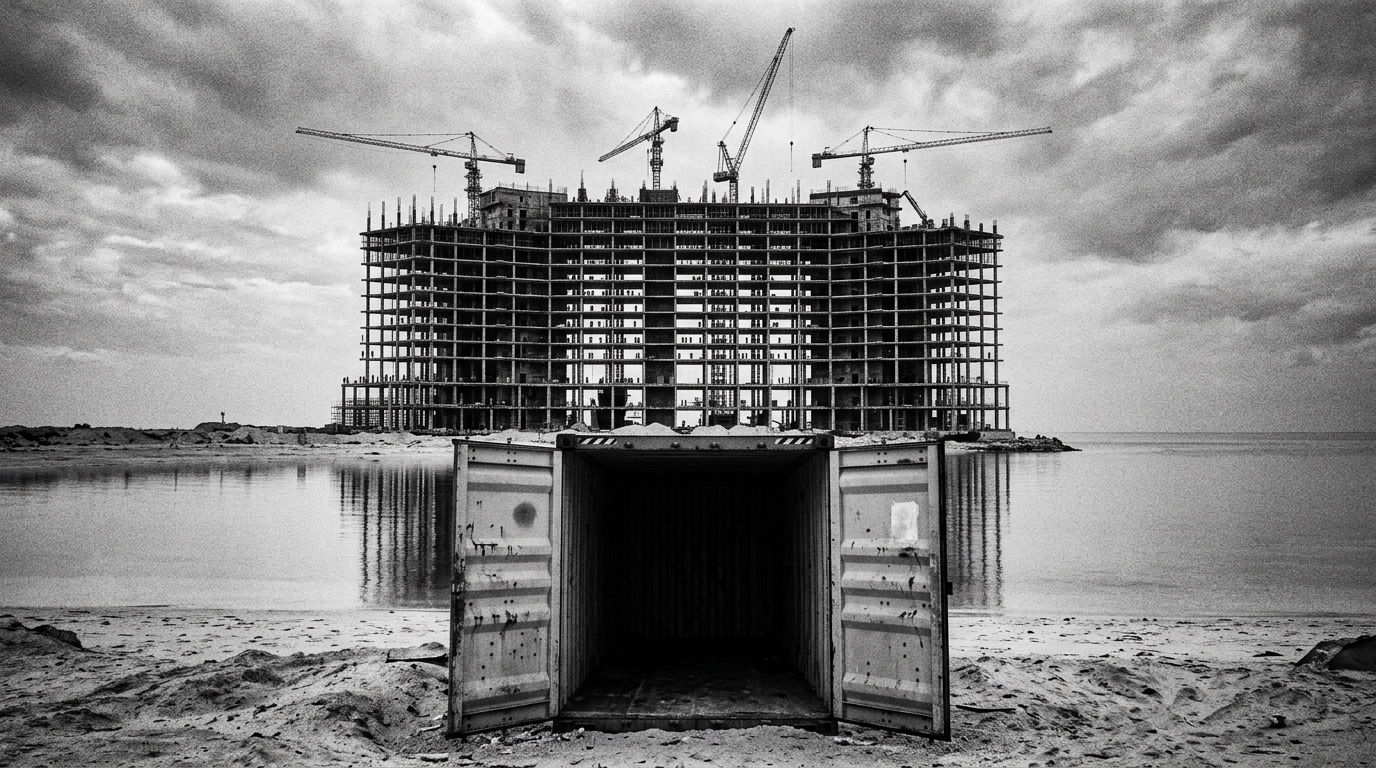
Wynn posted a strong Q1 with $1.86 billion in revenue and beat earnings estimates, then buried the lead: the UAE mega-resort is delayed by geopolitical chaos, and they're doubling down on Macau with a $950M expansion that won't open until 2029.

MGM just posted its first Las Vegas revenue growth in three quarters and somehow still watched profits shrink. If you think that's just a Vegas problem, you haven't been paying attention to what's happening to operating margins across the entire industry.

MGM China grew revenue 9% and somehow got less profitable, because the parent company doubled the branding fee to 3.5% of net revenue starting January 1. If you've ever wondered what it looks like when a brand extracts value from an operator in real time, this is your case study.

Las Vegas Sands posted $3.59 billion in Q1 revenue, crushed EPS expectations by 73%, and watched its stock fall 8% in a single session. When the market punishes a win, it's usually because it sees something the press release is trying to bury.