
Macau gaming revenue fell 12% in June as the World Cup diverted betting budgets and a typhoon shut down traffic. But if one soccer tournament can punch a 12% hole in your monthly GGR, the recovery isn't as durable as the press releases suggest.

Las Vegas Sands is telling investors the $700 million quarterly EBITDA target for Macau is still on track while simultaneously posting $430 million and blaming a bad hold and the World Cup. If you've ever watched an operator explain away a miss while promising the renovation will fix everything, you've seen this movie before.
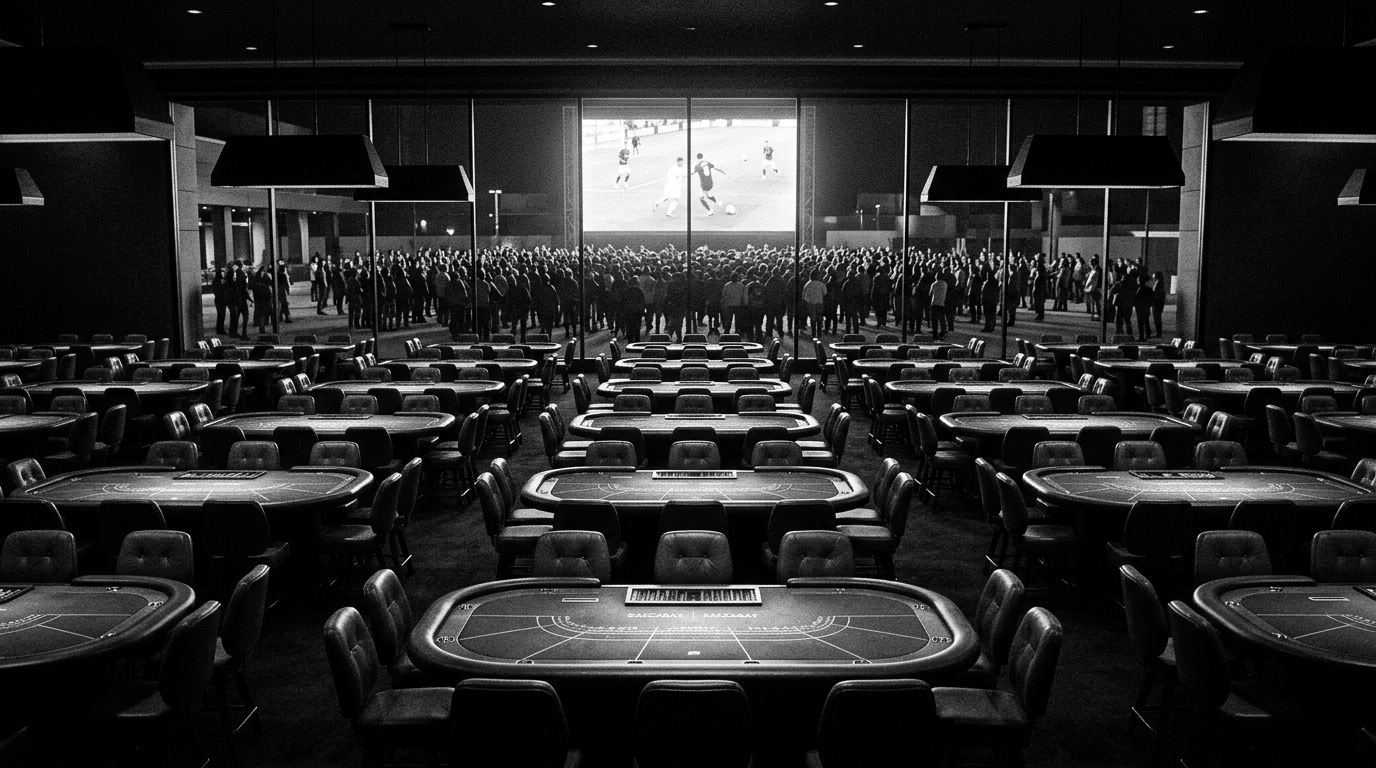
Macau's June gaming revenue dropped 12% year-over-year as the FIFA World Cup pulled high-value players off casino floors and onto sports betting platforms. The premium mass segment got hit hardest, and if you think this is just an Asian gaming story, you're not paying attention to what it reveals about how quickly discretionary spend redirects.
📡
Get the Briefing Every Morning at 6AM
Join hotel operators, owners, and investors who start their day with InnBrief.
Free forever. Unsubscribe anytime. No spam — just signal.

Oracle just quietly shed 21,000 employees. Meta is cutting another 8,000. If your sales team hasn't called every tech account on the books in the last two weeks, you're about to learn about cancellations the hard way.

IHG is buying back $950 million in shares this year, canceling 20,000 at a time while its stock trades at 30x forward earnings. When an asset-light company spends more on financial engineering than system growth, the question isn't whether shareholders benefit — it's who's funding the buyback and what they're not getting in return.

A mid-size wealth manager trimming its Hyatt position barely qualifies as news. But when you zoom out and see three C-suite executives unloading shares in the same window, the pattern starts telling a story the Investor Day slides didn't.

BMO's chief strategist went on CNBC and told institutional investors to buy Hyatt because it's a "huge performer but under-owned." When the money people start discovering your parent company, the mandates and the margin pressure tend to follow.

When a lodging REIT moves in near-perfect lockstep with the broader market, the question isn't whether management is doing a good job. It's whether your investment thesis is actually about hotels at all.

Two billionaires are fighting over Caesars at roughly $34 per share, and the market is celebrating. But 38% of that enterprise value is debt, and the real question is what happens to 50-plus properties when the new owner starts servicing it.

Morgan Stanley just raised its price target for Pebblebrook Hotel Trust to $10 while maintaining an Underweight rating, which sounds like good news until you realize the stock is already trading 36% above that target. For the operators actually running PEB's 46 upper upscale hotels, the analyst math tells a story about what Wall Street really thinks of urban luxury exposure right now.

Pebblebrook Hotel Trust has spent $20 million on ESG initiatives since 2016 while paying shareholders a penny per share per quarter. The gap between those two numbers is the entire story of where this REIT's capital priorities actually sit.

IHG's Middle East exposure is only 5% of its system, but the real tension isn't regional... it's between a company promising $1.2 billion in shareholder returns and the owners absorbing the demand shock on the ground.

Choice Hotels reports record EBITDA and projects... more of the same. When your own analysts have a "reduce" consensus and your growth guidance barely moves the needle, the real question isn't what Q1 looks like. It's whether your franchisees are getting enough back for what they're putting in.

Morgan Stanley lifted its IHG target to $145 and called the improvement real. The stock hit $148.23 three weeks earlier. That's your answer.

IHG posted 16% adjusted EPS growth and a record year for openings, but Q4 Americas RevPAR fell 1.4% and Greater China was negative for the full year. The analyst ratings now range from Buy to Sell on the same set of numbers.

A 4.6% price target reduction on a stock trading at $156 still implies 18.5% upside. The interesting question isn't the target... it's what Morgan Stanley's math assumes about Hyatt's asset-light conversion and whether that assumption survives a downturn.

BTIG reiterates a $6,250 price target while the stock sits near a 52-week low at $3,864. The gap between analyst conviction and market behavior is the real story.