Swansea's Delta Marriott Sale Is a Textbook Exit Before the Supply Wave Hits
A 121-key Delta Hotels by Marriott in South Wales hits the market after a freshly completed refurb and a convenient switch from corporate management to franchise. The timing tells a more interesting story than the listing.
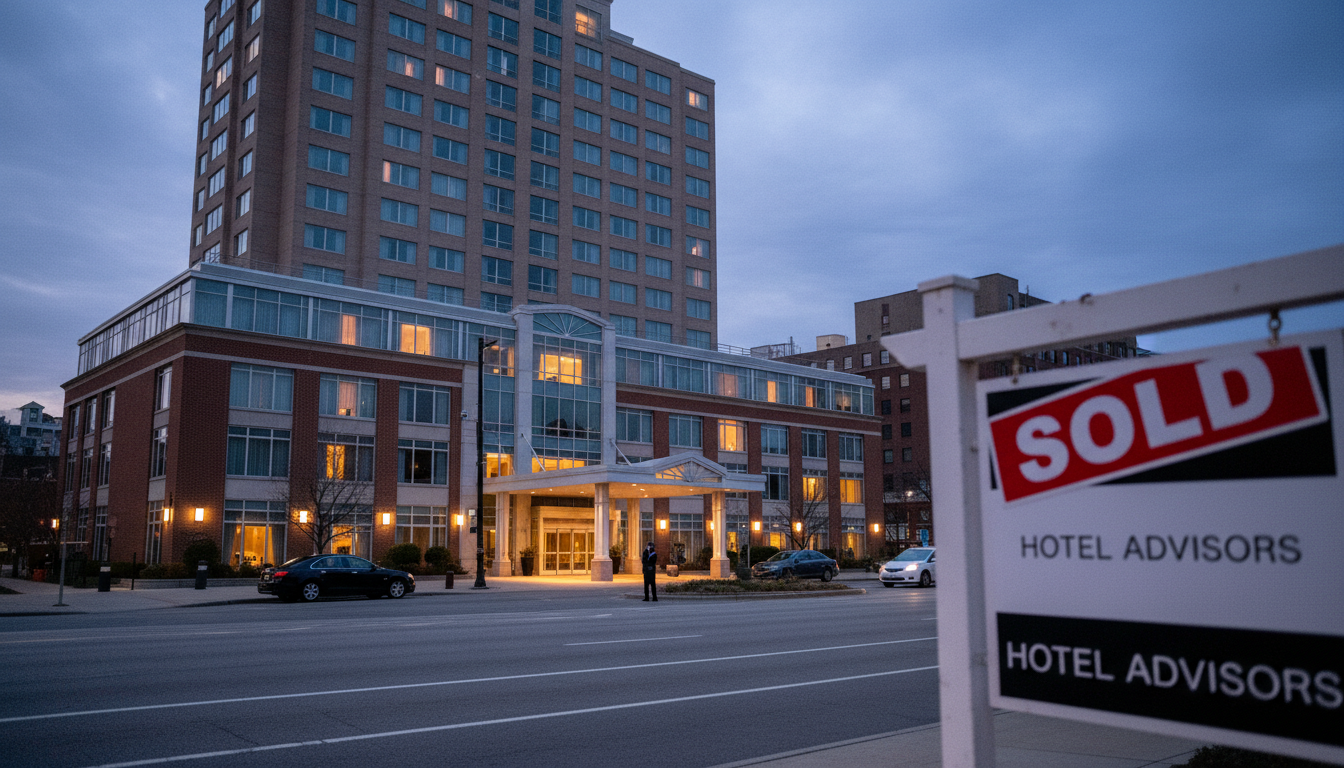
The long leasehold on the 121-key Delta Hotels by Marriott Swansea is on the market through Christie & Co at an undisclosed price. The property completed a multi-million-pound renovation in 2023 and transitioned from Marriott-managed to a franchise agreement in May 2025. Those two facts, in that order, are the entire story.
Let's decompose what's actually happening. An owner (or leaseholder) spent capital on a full refurb, then decoupled the management relationship from Marriott corporate, converting to a franchise structure that makes the asset dramatically easier to trade. Franchise agreements transfer. Management contracts don't... not cleanly, not cheaply. Stripping the management layer and selling a franchised leasehold with fresh soft goods is how you maximize exit value. This is a packaged sale. The 2023 refurb reduces the buyer's near-term CapEx risk. The 2025 franchise conversion reduces the buyer's structural complexity. Both de-risk the acquisition, which means the seller can price accordingly.
The timing is worth more attention than the listing itself. Swansea Council is actively marketing two new hotel sites... one adjacent to the Civic Centre, one next to the Swansea Arena (150 keys, rooftop bar, the whole pitch). Neither has broken ground. A 132-key Premier Inn nearby just traded in early February backed by a £9.6M loan from ASK Partners, which establishes comparable investor appetite. Selling now, with proven demand and zero new competitive supply, is a calculated exit window. Selling in 18 months, with construction cranes visible from the property and pre-opening rate pressure from two new competitors, is a different conversation entirely.
The broker is framing this around regional economic growth and demand for "high quality hotel accommodation." That's the sell-side narrative. The buy-side math needs to account for what 271 potential new keys (the Premier Inn already traded, plus two council-backed developments) do to a market where a 121-key branded asset is currently well-positioned. RevPAR compression in secondary UK coastal markets after supply additions is well-documented. An owner I spoke with last year described buying into a "regeneration story" as "paying full price for tomorrow's market with today's money." He wasn't wrong.
The real number nobody's quoting is the per-key price on this leasehold. Until that's disclosed, the cap rate assumption embedded in the ask is unknowable. But the structure tells you what to watch. A post-refurb, franchise-converted leasehold in a market about to absorb new supply... the buyer is pricing in continued rate growth in a submarket where Marks & Spencer just closed its city center store (92 jobs, announced days before this listing). Hospitality and retail don't always move together. But when the retail anchor across the street goes dark, the "regeneration premium" in your underwriting deserves a stress test.
Look... if you're an owner sitting on a recently renovated, branded asset in a secondary market where new supply is coming, pay attention to this seller's playbook. Convert from management to franchise, clean up the P&L, and go to market BEFORE the cranes show up. That exit window closes faster than you think. I've seen operators wait 12 months too long because they wanted "one more good year" of trailing numbers... and by then the comp set has changed and your buyer's underwriting just got a lot more conservative. If you're the buyer on this one, run the numbers with 250+ new keys in the market. If the deal only works at current occupancy, the deal doesn't work.