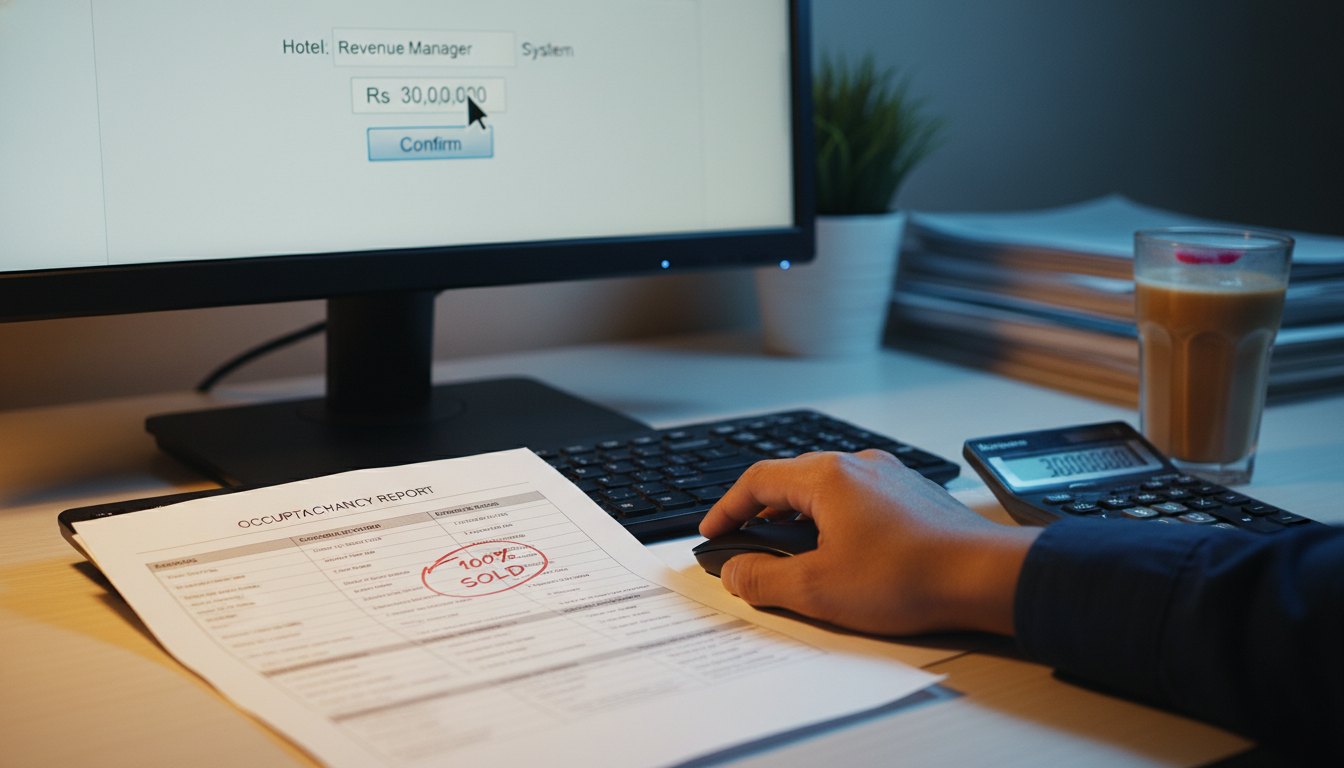
When a Conference Makes Your Rack Rate Look Like a Typo
Delhi hotels are charging $35,000 per night for the India AI Summit. It's not price gouging—it's a masterclass in what happens when governments finally understand hotel economics.
Price gouging in the hotel industry refers to the practice of significantly raising room rates during periods of high demand, such as major conferences, sporting events, natural disasters, or other circumstances that create temporary supply constraints. Hotels employ dynamic pricing strategies to maximize revenue during these peak periods, though the practice remains controversial and subject to increasing regulatory scrutiny.
Hotel operators face growing pressure from consumer advocacy groups, local governments, and media outlets regarding rate increases during emergencies or major events. Several jurisdictions have implemented or proposed price gouging laws that cap allowable rate increases during declared emergencies. The practice directly impacts hotel reputation, customer loyalty, and regulatory relationships, making it a significant consideration for revenue management strategies.
For hotel owners and operators, balancing profit optimization with public perception and legal compliance has become increasingly complex. The tension between dynamic pricing practices and accusations of price gouging affects brand positioning, particularly for properties in markets with strong consumer protection regulations or high-profile events that attract media attention.
Delhi hotels are charging $35,000 per night for the India AI Summit. It's not price gouging—it's a masterclass in what happens when governments finally understand hotel economics.