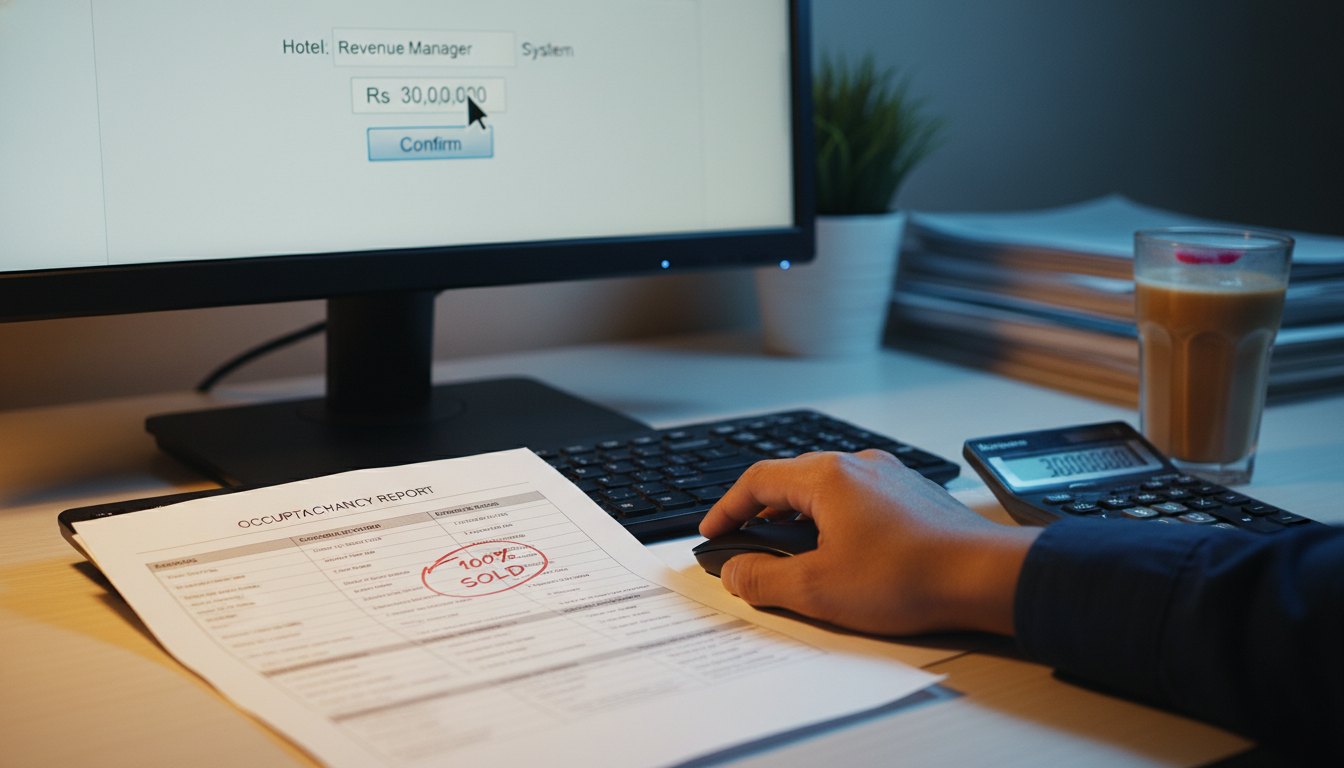
Corporate Travel Management encompasses the strategies, policies, and tools organizations use to control travel expenses, negotiate rates with hospitality providers, and optimize employee travel experiences. For hotels, corporate travel represents a significant revenue stream, with corporate clients typically booking in volume and maintaining consistent occupancy patterns. Hotels compete for corporate contracts through negotiated rates, loyalty program incentives, and service standards tailored to business travelers.
The sector directly impacts hotel revenue management and pricing strategies. Corporate travel managers seek predictable costs and consolidated billing, often leveraging their booking volume to secure discounts that can pressure hotel margins. Hotels must balance competitive rate offerings against yield management objectives. Additionally, corporate travel policies influence demand patterns, with factors like remote work adoption and meeting consolidation affecting traditional business travel volumes.
Understanding corporate travel management dynamics is essential for hotels targeting this segment, as it involves long-term contract negotiations, rate structures, and service delivery expectations that differ significantly from leisure or transient business travel markets.
Wyndham hosted corporate travel managers at Argentine football stadiums and branded hotel dinners, calling it "immersive experience" marketing. The real question is whether relationship-building events for 15 guests move the needle for a company running 63 hotels across 43 Argentine cities... or whether this is the brand equivalent of a really expensive dinner party.
Delhi hotels are charging $35,000 per night for the India AI Summit. It's not price gouging—it's a masterclass in what happens when governments finally understand hotel economics.
📡
Get the Briefing Every Morning at 6AM
Join hotel operators, owners, and investors who start their day with InnBrief.
Free forever. Unsubscribe anytime. No spam — just signal.
The InnBrief Daily
92% open rate — operators read this.
Hotel industry intelligence in your inbox every morning at 6AM. No fluff.