Franchise fees are recurring payments that hotel owners pay to branded hotel companies in exchange for use of the brand, reservation systems, loyalty programs, and operational support. These fees typically represent a percentage of room revenue and constitute a primary revenue stream for asset-light hotel operators like Hyatt, Marriott International, and IHG. The structure directly impacts owner profitability and return on investment.
Franchise fee economics have become increasingly central to hotel company valuations and investor analysis. As major chains pursue aggressive asset-light expansion strategies, franchise fee growth drives corporate revenue and earnings independent of actual hotel performance. Recent industry focus has highlighted how franchise fee structures influence owner economics, brand proliferation decisions, and the competitive dynamics between hotel companies and their franchisees. Understanding franchise fee terms, escalation clauses, and their relationship to owner returns is critical for evaluating both hotel company financial health and franchise investment viability.
Bill Ackman's Pershing Square is crushing the Magnificent Seven with Hilton stock. Elena Voss explains what Wall Street is actually buying — and what it means for the owners writing the checks.

IHG is celebrating a 2% uptick in business transient revenue. Elena Voss asks what that number actually buys an owner after fees, inflation, and the cost of chasing it.

Noted Collection is IHG's admission that its soft brand portfolio has gaps. The real question: who's paying to fill them?
📡
Get the Briefing Every Morning at 6AM
Join hotel operators, owners, and investors who start their day with InnBrief.
Free forever. Unsubscribe anytime. No spam — just signal.

IHG launches another collection brand to keep conversion momentum alive. But when the sign changes faster than the experience, who exactly benefits?
A CEO resigns over ties to a convicted predator. The brand machine mourns leadership. But the real question is why it took this long — and what the franchise agreement says about reputational risk flowing downhill.

Politicians want to crack down on institutional single-family rental owners. The hospitality crowd hopes that capital rotates into hotels. It won't — and the reason tells you something about how investors actually think about lodging.

Wall Street is raising price targets on BKNG again. The earnings math is real. But the question nobody's asking is what happens to the take rate when the hotels fight back.

Expedia guided cautious on 2026 margins. Wall Street panicked. Hotel operators should be paying attention for a completely different reason.
Hyatt keeps selling hotels and signing management deals. The press calls it strategy. The franchise agreement calls it something else entirely.
Marriott's massive APAC pipeline sounds like expansion. The franchise agreements tell a different story about who's actually bearing the risk.

Hyatt's Q4 earnings tell a growth story. The franchise agreement tells a different one. Elena Voss reads between the lines.

Operations
Primary
Feb 14
Hyatt just posted higher RevPAR and lower net income in the same quarter. If that sounds like your P&L lately, it's not a coincidence — it's the new math of hospitality, and it's not going away.
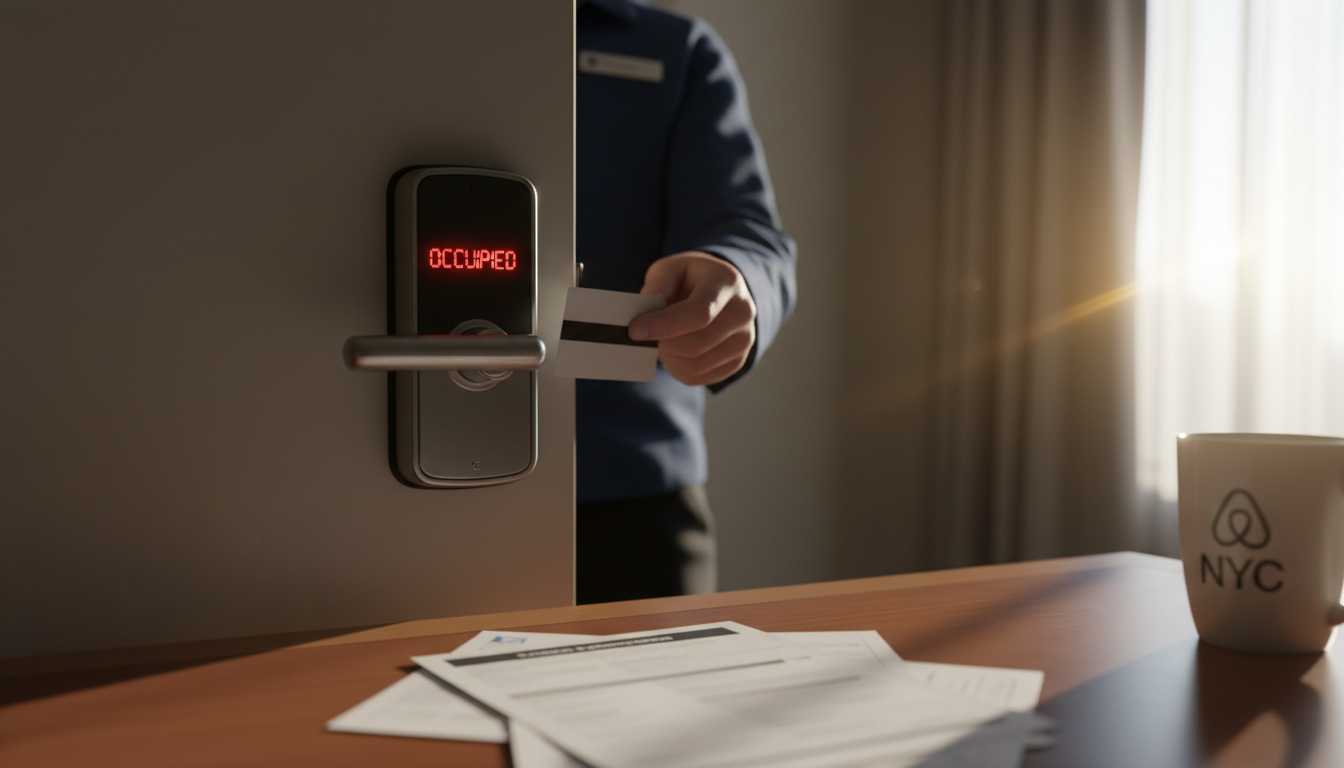
Marriott properties are undercutting corporate rates by $450 on Airbnb. If it's happening to the biggest brand in the world, it's definitely happening to you.

Accor and InterGlobe aren't just going public — they're showing us the blueprint for how hotel companies will survive when nobody wants to own real estate anymore.
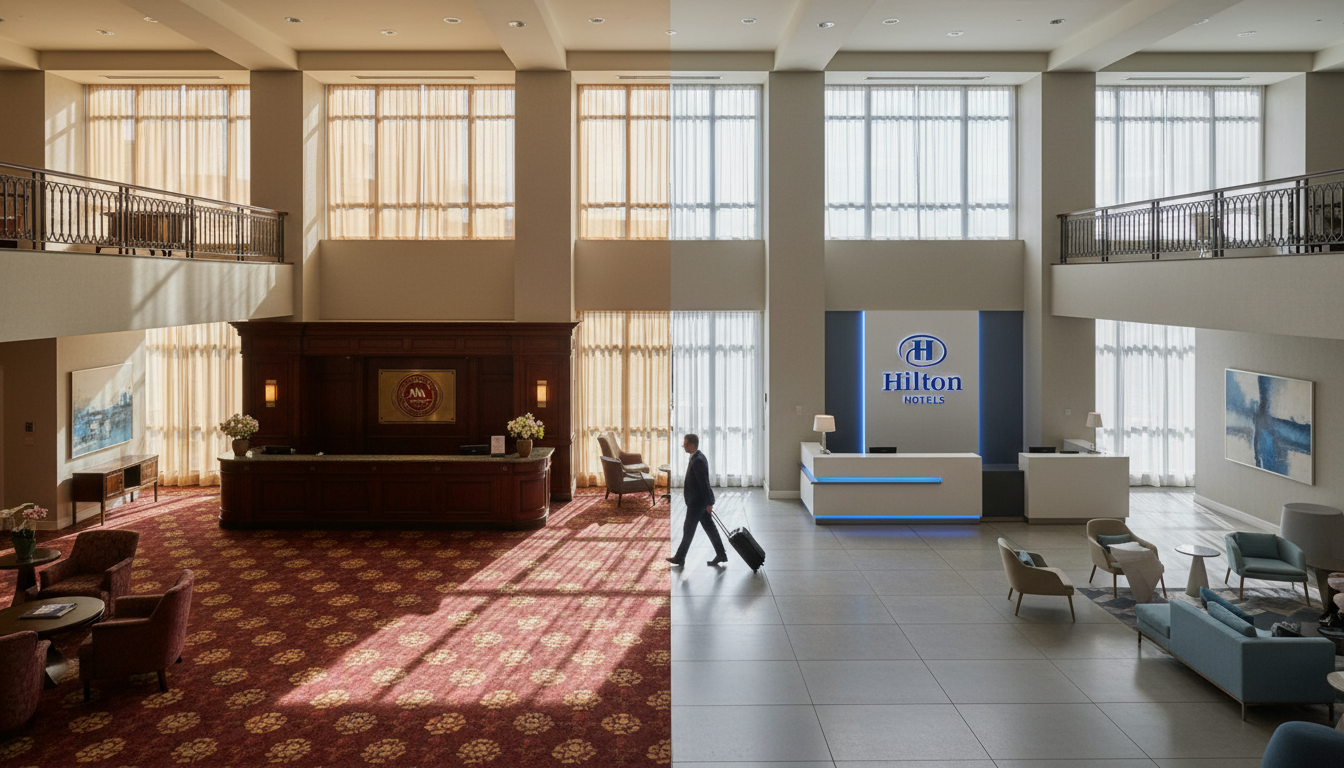
While Hilton's CEO celebrates new brands and conversion growth, the real story is what this says about how guests choose hotels in 2024 — and why your brand flag might matter less than you think.

When the world's largest hotel company starts 'attacking' the model that built it, someone's about to get steamrolled. Spoiler: it's not going to be corporate.

When publicly traded hotel companies see their share prices climb, operators feel it in their franchise agreements within 18 months. Choice's recent rebound is no exception.