Vancouver Hit a $406 Hotel Rate Record. Occupancy Dropped 16 Points. That's Not a Win.
Metro Vancouver's World Cup rates shattered Canadian records at $406 a night while downtown occupancy cratered from 91% to 75%. If you think record ADR with collapsing occupancy is something to celebrate, you haven't done the RevPAR math... and you definitely haven't looked at what happens next summer when the circus leaves town.
I worked with a GM once who inherited a property right after a major international sporting event had blown through town. Previous management had jacked rates to the ceiling, posted record ADR numbers, sent the owner a glowing recap deck with graphs that all pointed up and to the right. Beautiful stuff. The GM asked one question in his first week: "What was our RevPAR index during the event versus the month before and the month after?" Nobody could answer him. Because nobody had bothered to check. They were too busy celebrating the rate.
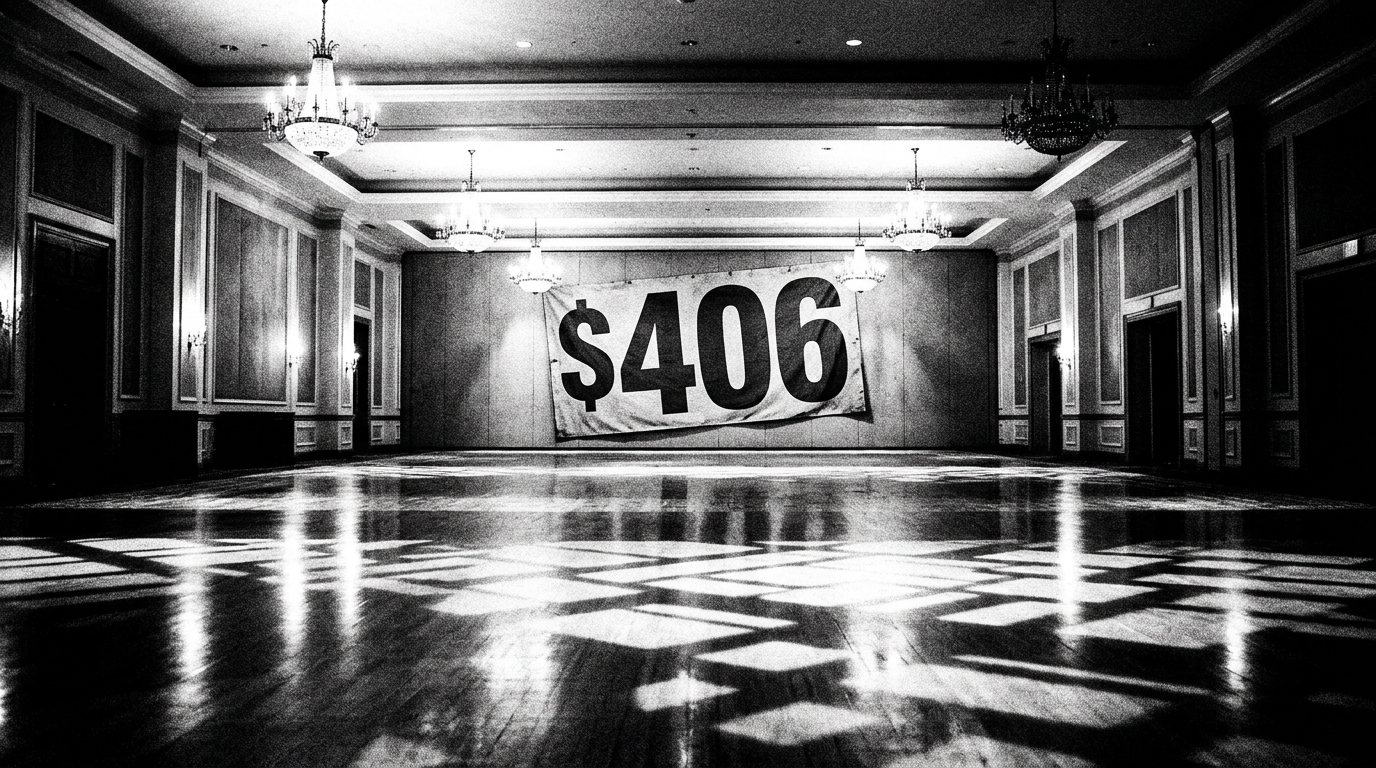
That's Vancouver right now. The headline number is $406.34 average nightly rate in June... a Canadian record, 21.3% above the prior year. Luxury properties reportedly pushed north of $1,800 on game nights. The press releases practically write themselves. But buried underneath the champagne is a number that should make every operator in the market deeply uncomfortable: downtown Vancouver occupancy in June hit roughly 75%. The prior June? 91%. That's a 16-point occupancy collapse happening at the same time as a rate record. Which means you had fewer guests paying more per night, and the total revenue picture is a whole lot murkier than the ADR headline suggests.
Let's be honest about what actually happened. FIFA released something like 15,000 room-nights per night back into the market in March after blocking them for months. The British Columbia Hotel Association publicly blamed "flawed messaging" for creating the impression that the city was sold out, scaring away regular tourists and convention business. An economist from Signal49 Research suggested the World Cup didn't create new tourism so much as it displaced existing tourism. So the families who would have come in June went somewhere else. The conventions that normally book Vancouver in summer moved to different dates or different cities. You traded your reliable, repeatable summer base for a one-time spike... and the spike, while dramatic, didn't fill rooms the way normal summer demand would have.
Here's where this gets really interesting for anyone paying attention to the long game. Destination Vancouver's CEO is already talking about preventing a post-World Cup tourism slump, explicitly referencing the lull that followed the 2010 Olympics. That's not casual commentary. That's an organization that has watched this movie before and is worried about the sequel. The B.C. government is projecting over a billion dollars in GDP contribution from 2026 through 2031, but spread over five years, that number gets thinner fast (especially against $578 million in host-city costs and another $242 million in security spending). The net math on mega-events is almost never as clean as the politicians promise. I've been around long enough to see cities chase these things, get the sugar high, and then spend two years trying to figure out why their booking pace is soft.
The real test isn't June 2026. It's June 2027. When there's no World Cup, no FIFA room blocks, no 350,000 visiting fans... and every hotel in the market has been conditioned to price at $400+. Good luck holding that rate with your normal comp set in a normal summer. The market memory of what guests "should" pay is going to collide hard with the reality of what they will pay when the only draw is Stanley Park and Granville Island. This is what I call the Rate Recovery Trap, except in reverse... instead of cutting rate and trying to retrain the market upward, Vancouver pushed rate to the stratosphere and now has to figure out how to keep it anywhere close to that level when the demand driver disappears. You can't retrain a market that never existed at those prices organically. That rate was an event, not a floor.
If you're running a property in a market that's hosting (or about to host) a major event... World Cup games, Olympics, Super Bowl, whatever the next one is... learn from Vancouver. Track your displaced demand, not just your event demand. How many group blocks moved off your books? How many repeat leisure guests went elsewhere? That number is your real cost of participation, and nobody puts it in the recap. Run a RevPAR analysis for the full quarter, not just the event window, because the occupancy dip before and after the event will eat into your rate gains faster than you think. And start building your post-event rate strategy now. Don't wait until Q4 to figure out your pricing for next summer when the event is gone and your cost basis hasn't changed. The owners who win this are the ones who banked the cash from the spike and set realistic expectations for the correction. The ones who lose are the ones who baked a World Cup rate into next year's budget.