Philadelphia Hotels Just Gave Workers a 36% Raise. And They'd Do It Again.
Six Center City hotels agreed to $30/hour wages and reduced room quotas after strikes timed perfectly to the World Cup and July 4th. The unions played this beautifully, and the operators who settled fastest are probably the ones who'll come out ahead.
I sat across from a union steward once at 1:30 in the morning during a contract negotiation that had gone completely sideways. We were 14 hours in. Both sides were exhausted, angry, and running on bad coffee and worse attitudes. He looked at me and said, "You know we're going to get most of what we want. The only question is how much it costs both of us to get there." He was right. He knew it. I knew it. The owners knew it. The only variable was how much damage we'd do to each other on the way to the inevitable.
That's Philadelphia right now. UNITE HERE Local 274 timed their strikes with the precision of a revenue manager running a Super Bowl weekend. The city is hosting the FIFA World Cup, America 250 celebrations, the MLB All-Star Game... occupancy hit 74.4% in May, the highest jump among the top 25 U.S. markets. RevPAR is projected up 5% while the national average is essentially flat. You don't walk a picket line in January when the hotel is running 52% occupancy. You walk it when every unsold room is burning money. The Sheraton Philadelphia Downtown (the city's largest unionized property) held out for nine days before settling on July 2nd... just in time for the Fourth of July weekend. The new deal runs through January 2028: non-tipped workers hit $30 an hour, room attendants go from 16 rooms a day to 15, pension contributions jump, and there's an 18% banquet gratuity baked in. That 36% wage increase in less than two years is a number that's going to echo in every union market in America.
Here's what I want you to understand about this situation, because the headline makes it sound like the hotels lost. They didn't. Not exactly. The properties that settled early (the Hilton at Penn's Landing, the Wyndham Historic District, the Sonesta Rittenhouse, the Hampton Inn Center City) locked in their labor costs and ran full operations through the biggest event calendar Philadelphia has seen in decades. The Sheraton held out and ate nine days of strike during peak season. Think about what nine days of picket lines does to group bookings, to banquet revenue, to your reputation with meeting planners who have 40 other cities to choose from. The cost of the strike almost certainly exceeded the cost of the contract. The hotels that settled first bought labor peace during a once-in-a-generation revenue window. That's not losing. That's math.
But let's be honest about what this means going forward, because $30 an hour for non-tipped positions changes the operating model. In a market where RevPAR is growing 5% and total hotel revenue is projected up 6.3%, you can absorb it... this year. The question is what happens in 2027 when the World Cup is gone, the 250th celebrations are over, and Philadelphia goes back to being a very good (but not extraordinary) convention market. These contracts run through January 2028. The wage rates don't adjust downward. Every GM in a union market should be looking at this and asking themselves: can my property sustain these labor costs at normalized demand levels, not peak demand levels? Because the union negotiated during the peak, and the contract lives through the valley. That's not a criticism... it's brilliant strategy on their part. But it's the reality the operators have to plan around.
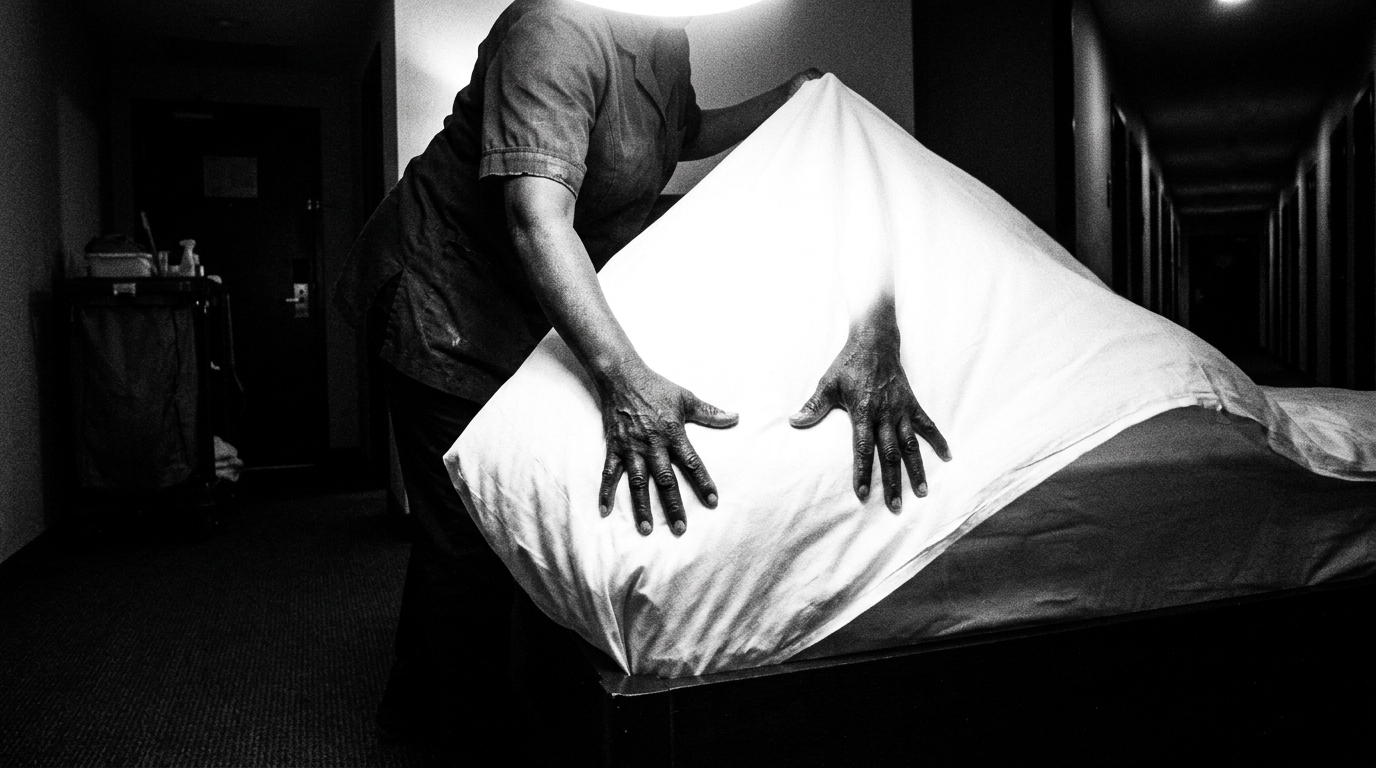
The room quota change is the part nobody's talking about, and it might matter more than the wages. Going from 16 rooms to 15 per attendant doesn't sound like much until you multiply it across your housekeeping staff across 365 days. For a 300-key property running 75% occupancy, that's roughly the equivalent of needing one additional full-time housekeeper. At $30 an hour plus benefits, you're looking at $55,000-$65,000 in annual labor cost from a change that got buried in the fifth paragraph of the press release. The union knows this. They've been fighting room quotas for years because it's a quality-of-life issue for their members and a cost issue for operators, and they got both wins in the same contract.
If you're running a union property in any major market... not just Philadelphia... pull out your CBA timeline right now. Local 274 just established a "citywide standard" playbook: time your leverage to peak demand, establish the number at one property, then roll it to every flag in the market. This is coming to your city next, especially if you're hosting a major event in the next 24 months. This is what I call the Labor Window... the union used a temporary period of extraordinary leverage to lock in permanent structural gains. Smart on their part. Your job is to model your labor costs at the new rates against normalized occupancy, not the peak you're running today. Run the $30/hour number against your actual ADR ceiling in a normal demand year. If the flow-through still works, settle early and buy the labor peace. If it doesn't, you need to be having that conversation with your owner right now, not in 2028 when the contract is already signed.