A Family Found a Painting of Themselves in an Airbnb. Hotels Can't Buy That Kind of Marketing.
A viral story about a family discovering a painting resembling their kid in a Swedish B&B is charming internet fodder. It's also a masterclass in why Airbnb keeps winning the narrative war while hotels spend millions on campaigns nobody remembers.
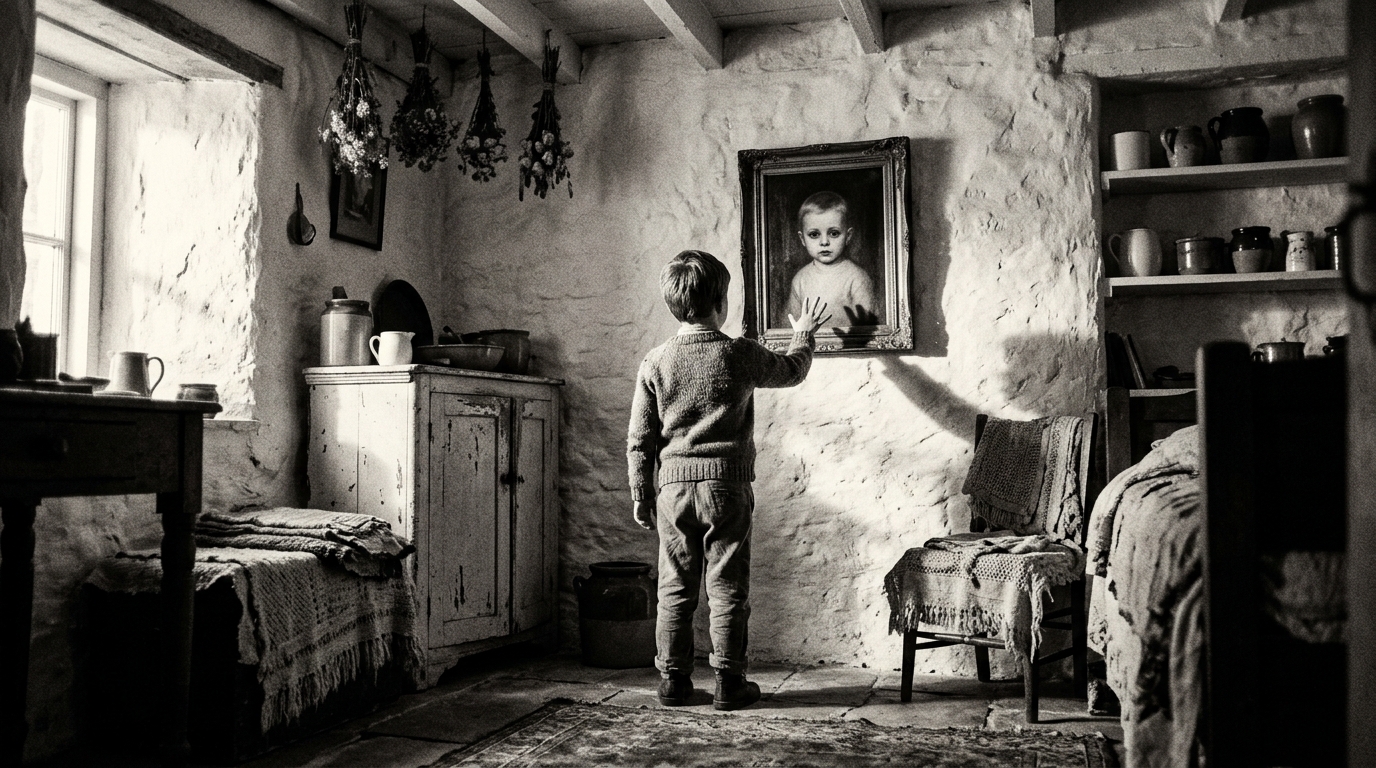
So a family renting a rural B&B in Sweden found a painting on the wall that looked like their seven-year-old son. Turns out it was a Carl Larsson piece depicting a young girl... but the resemblance was uncanny enough that the mom posted it on X, the internet lost its mind, and now millions of people are talking about how magical and weird and wonderful it is to stay in someone else's space. "The simulation is glitching" became the tagline. The debate over whether it was real or staged became the engagement engine. And Airbnb didn't spend a single dollar making any of it happen.
That's the part that should bother every hotel operator reading this.
Look, I'm not here to analyze whether the painting thing was staged. Doesn't matter. What matters is the mechanism. Airbnb's entire brand architecture is built to generate these moments organically. Every listing is different. Every stay has the potential to produce something unexpected... a secret staircase, a weird painting, a host who leaves a handwritten note about the best bakery in town. Hotels, by design, optimize for consistency. Consistency is valuable. Consistency is what business travelers need and what brands promise. But consistency doesn't go viral. Nobody's posting "you won't BELIEVE how identical my Marriott room looked to the last Marriott room." The platform that produces surprises will always generate more free media than the platform that eliminates them.
Here's what this actually reveals about the technology gap. Airbnb doesn't need a content marketing team to produce these stories because the product IS the content. The platform architecture... millions of unique listings, each with its own personality, each managed by an individual host making individual decisions about what art to hang on the wall... is a content generation engine running 24/7 at zero marginal cost. I've consulted with hotel groups that spend $30,000-$50,000 a month on social media management trying to manufacture the kind of engagement this family generated for free by walking into a room and taking a photo. The ROI comparison isn't even close. It's not that hotels are bad at social media. It's that the underlying product doesn't produce shareable moments at the same rate, because it was designed not to.
The technology question I keep coming back to is this: can hotels build systems that create surprise without sacrificing reliability? Some are trying. Personalization engines that customize room settings based on guest profiles. Digital concierge tools that surface hyper-local recommendations. Dynamic art displays (yes, these exist... a few boutique groups are testing digital frames that rotate local artwork). But most of these implementations feel like what they are... technology trying to simulate what happens naturally in a space where a real person decided to hang their grandmother's painting above the couch. The Dale Test applies here in a weird way. Not "can the night auditor troubleshoot this system?" but "does this system produce something a guest would actually photograph and share?" If the answer is no, you've built infrastructure, not experience.
I talked to an independent hotel owner last month who told me she started buying original art from local painters for her 40-key property... spent about $6,000 total across all rooms. Her TripAdvisor reviews started mentioning the art within weeks. Not because the art was world-class. Because it was specific. It was THAT hotel. It couldn't be anywhere else. That's the insight buried inside this silly viral painting story. The technology that matters isn't always software. Sometimes it's the decision architecture that allows individual properties to be genuinely different from each other... and the platform infrastructure (or lack thereof) that either enables or prevents guests from discovering and sharing those differences.
Here's what I'd do with this if I'm running a property. Stop trying to compete with Airbnb on viral moments. You'll lose that game every time because their product generates them structurally. Instead, invest in what I call the "photographable difference"... one thing per property that can't exist anywhere else. Local art. A signature lobby feature. A staff tradition that guests notice. Budget $2,000-$5,000 for it, not $50,000 on a social media agency. Then make sure your WiFi actually works well enough for guests to post about it (I know... I know). The properties winning the social media game aren't the ones with the best marketing teams. They're the ones where something real happens that a guest wants to talk about. You can't manufacture authentic. But you can create the conditions where it shows up on its own.