The Gambling Industry Blew $3.9 Billion on Marketing. Most of It Was Wasted.
The gaming industry spent $3.9 billion on marketing last year, including $520 million on celebrity endorsements and just $60 million on responsible gambling. If you run a casino hotel, that ratio explains more about your guest trust problem than any satisfaction survey ever will.
I worked with a casino resort GM once who had a wall in his office covered with printouts of every celebrity-endorsed promo his brand had run in the prior year. Not because he was a fan. Because he was tracking how many of those campaigns actually drove a booking he could attribute to his property. After 14 months, he'd circled exactly three. Three. Out of dozens. He looked at me and said, "I could've repaved the parking lot for what they spent on that basketball player's face."
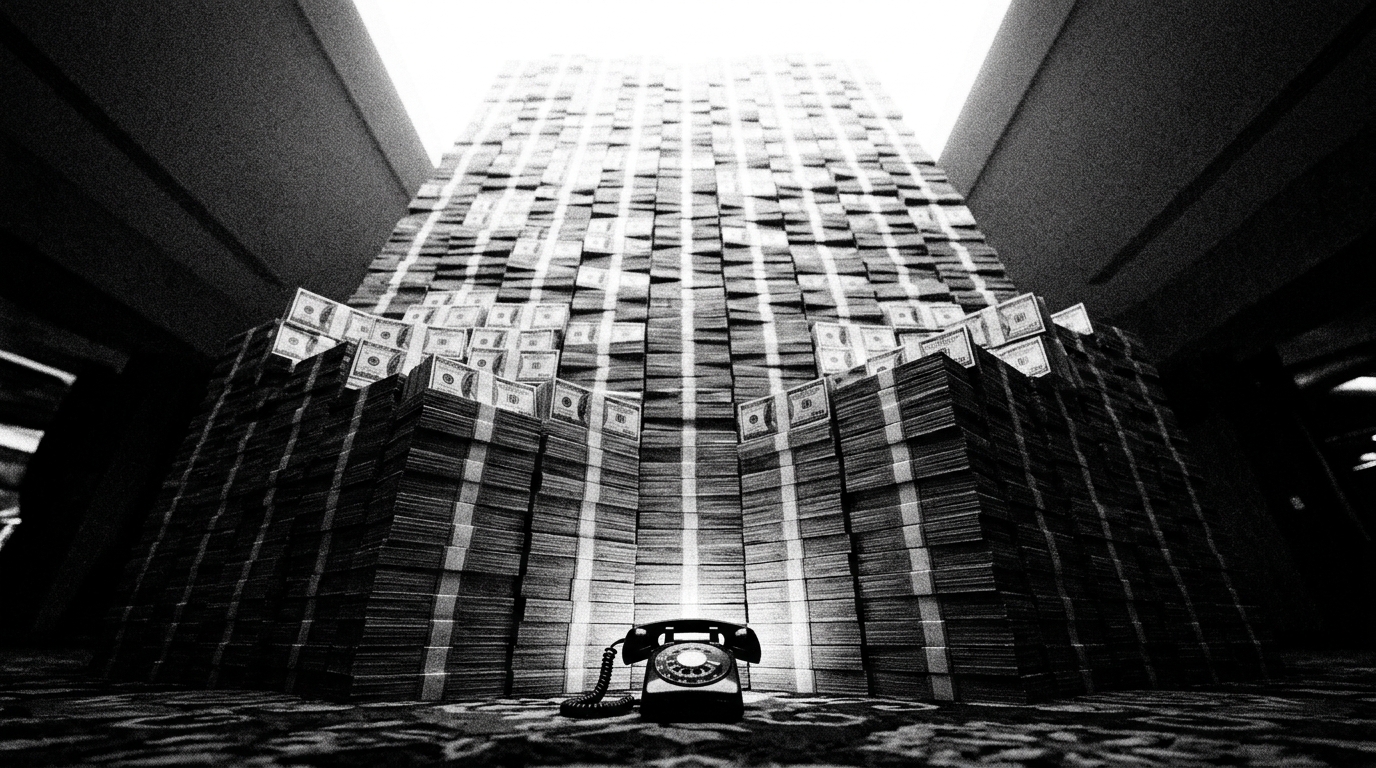
That's the first thing I thought about when I saw the numbers from the new 5WPR Gaming Trust Index. The U.S. sports betting and online gaming sector dropped $3.9 billion on marketing in 2025. Let me walk you through where it went. Television advertising ate $1.42 billion... 36% of the total. Digital performance marketing took $980 million. Celebrity and athlete partnerships... $520 million. Sports sponsorships, $410 million. Paid social, $280 million. Out-of-home, $140 million. Earned media and PR got $90 million. And responsible gambling programs? Sixty million dollars. That's 1.5% of the total spend. The celebrity-to-responsible-gambling ratio is nearly nine to one. Nine dollars convincing you Jamie Foxx thinks you should bet on the Chiefs for every one dollar spent making sure the guy who just lost his rent money has somewhere to call.
Here's the thing nobody in gaming marketing wants to say out loud... this budget was designed for 2019, when legal sports betting was brand new and the land grab was on. Awareness was the game. Throw money at TV, plaster your name on every jersey, get the celebrity spots running during the playoffs. That made sense when you needed people to know your name. But 38 states have legalized sports betting now. FanDuel, DraftKings, BetMGM, Caesars Sportsbook... these are household names. The awareness war is over. And yet the budget still looks like the war is raging. Meanwhile, 54% of U.S. sports bettors say their trust in professional sports has declined because of betting-related scandals. Over a third report feeling anxious from wagering. You've got 2.5 million Americans experiencing severe gambling problems. And the industry's response is to spend eight and a half times more on athlete endorsements than on responsible gambling infrastructure. That's not a marketing strategy. That's an acquisition playbook being run long past the point where acquisition was the problem. The problem now is credibility. And credibility doesn't come from a Super Bowl ad.
For those of you running casino hotels, this matters more than you might think. The global casino hotel sector is projected to hit $127.8 billion this year. Your property lives at the intersection of gaming and hospitality, and when the gaming side has a trust problem, your front desk feels it. I've seen this movie before in hotels... brands that kept spending on top-of-funnel awareness campaigns when what they actually needed was to invest in the guest experience at property level. This is what I call the Vendor ROI Sentence... if a vendor (or in this case, a marketing department) can't tie value to your P&L in one sentence, it's a story, not a solution. Nine dollars of celebrity flash for every one dollar of responsible gambling substance isn't a strategy that builds the kind of trust that drives repeat visitation and loyalty. It's brand theater. And the operators on the ground are the ones who pay when the theater closes and the audience isn't coming back.
Look... I'm not naive enough to think gaming companies are going to suddenly redirect half a billion dollars from celebrity deals into responsible gambling hotlines. But the smart operators in casino hotels are already figuring out that trust is a competitive advantage, not a compliance checkbox. The properties that are investing in genuine responsible gambling training for their floor staff, that are building real relationships with local problem gambling resources, that are treating trust as an operational discipline rather than a PR line item... those are the ones that are going to win when ESG-mandated institutional investors start asking hard questions about that nine-to-one ratio. And they will ask. The data is too clean and the gap is too wide for them not to.
If you're a GM at a casino hotel property, don't wait for your gaming partner or your brand to fix this. Pull your responsible gambling training records right now and look at the last time your floor staff and front desk team were actually trained... not the date it was supposed to happen, the date it did. Then look at your guest comment data for any mention of gambling-related anxiety, pressure, or discomfort. If you don't track that category, start this week. The operators who build genuine trust infrastructure at the property level are going to differentiate themselves as the corporate marketing machine keeps burning cash on celebrity spots that don't move the needle for your specific asset. You can't control the $3.9 billion. You can control what happens inside your building. Make responsible gambling part of your operating culture, not just a poster on the wall next to the ATM.