A Shuttered Sheraton Becomes 600 Apartments: The Per-Unit Math Tells the Real Story
Foundation 8 is putting $120M into converting a dead Phoenix hotel into residential units at $200K per door. The number looks reasonable until you decompose what "attainable luxury" actually means for returns.
$120M for roughly 600 units. That's $200,000 per door on a blended basis covering both the conversion of 342 former hotel rooms and new construction of 350-plus apartments. At target rents of $1,500 per month, gross residential income tops out around $10.8M annually at stabilization. Back out operating expenses (call it 35-40% for a project marketing "resort-style amenities") and you're looking at NOI somewhere in the $6.5-7M range. On $120M of total development cost, that's a 5.4-5.8% yield on cost. Not terrible for Phoenix. Not exciting either.
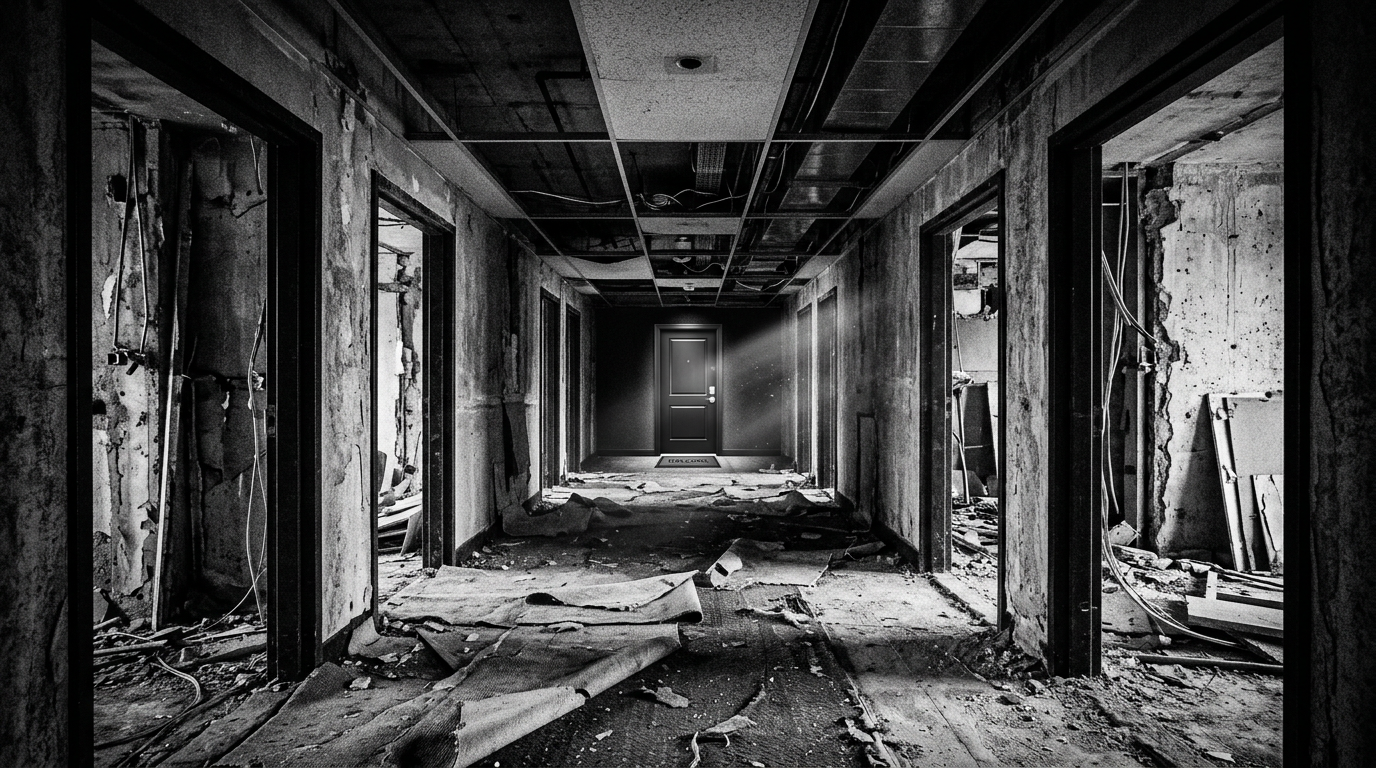
The conversion math is where it gets interesting. The former Sheraton Crescent shut down in January 2023 after a water intrusion event took out the electrical busway. Three years sitting dark. Court-appointed receiver. A prior buyer fell out of contract. Foundation 8 (a partnership between Trillium Management and GIA Hospitality) acquired what is essentially a distressed shell. The land basis is almost certainly well below replacement cost, which is the only reason this pencils. A 1986-vintage building with known water and electrical damage doesn't convert cheaply, but it converts cheaper than building 258 units from scratch in a market where construction costs have climbed 30%+ since 2020.
The "attainable luxury" positioning deserves scrutiny. Average rents of $1,500 targeting households at or below 80% of area median income is a specific financing play. That threshold typically unlocks workforce housing tax credits or bond financing that materially changes the capital stack. If Foundation 8 is layering in LIHTC or similar incentives, the effective equity requirement drops substantially, and that 5.5% yield on cost starts looking more like 8-10% on actual equity deployed. The press materials don't specify the capital structure. They never do. That's where the real story lives.
Two proximity factors prop up the demand thesis: the $1B Metrocenter redevelopment roughly a mile away and the TSMC semiconductor campus about 12 minutes north. TSMC alone is projected to bring thousands of jobs at salary levels that make $1,500 rents very achievable. The Valley Metro light rail extension adds transit connectivity the original hotel never had. These are real demand drivers, not speculative ones. The question is timing. First units deliver in 12-18 months per the developer. TSMC's hiring ramp and Metrocenter's buildout are on longer timelines. Early lease-up could be softer than the stabilized pro forma suggests.
The hotel-to-residential conversion trend hit a 13% year-over-year increase in Q1 2025. Phoenix hotel performance is forecast to rebound modestly (2.8% RevPAR growth in 2025), but that recovery favors the middle-priced segment, not full-service properties carrying 1986-era infrastructure and deferred maintenance. Foundation 8 noted the building "could potentially revert to a full-service hotel" if conditions shift. I've seen that optionality language in a dozen deal memos. It's there for the lender, not for reality. Nobody is spending $120M on a residential conversion with genuine plans to reverse course. The Sheraton Crescent died as a hotel. The math says it stays dead.
Here's what I'd tell you if you're sitting on a distressed or shuttered full-service asset in a growth market. The conversion math is getting more favorable every quarter... construction costs keep climbing, residential demand in Sun Belt markets isn't softening, and workforce housing incentives can transform your capital stack. But don't fall in love with the gross numbers. Get your tax credit consultant in the room before your architect. The financing structure is the deal. The building is just the box. And if a developer tells you the project "could always go back to hotel use"... they're managing your expectations, not describing a real option.