$217M in Judgments. The Hotel Still Can't Fully Open. That's the Story.
A Philadelphia contractor now owes $217 million in combined court judgments for a 755-room W and Element project that opened three years late and still has inoperable windows five years after opening. For anyone financing a ground-up hotel development, the per-key math on what went wrong here is instructive.
$217 million in combined judgments against a single general contractor on a single hotel project. Let's decompose that.
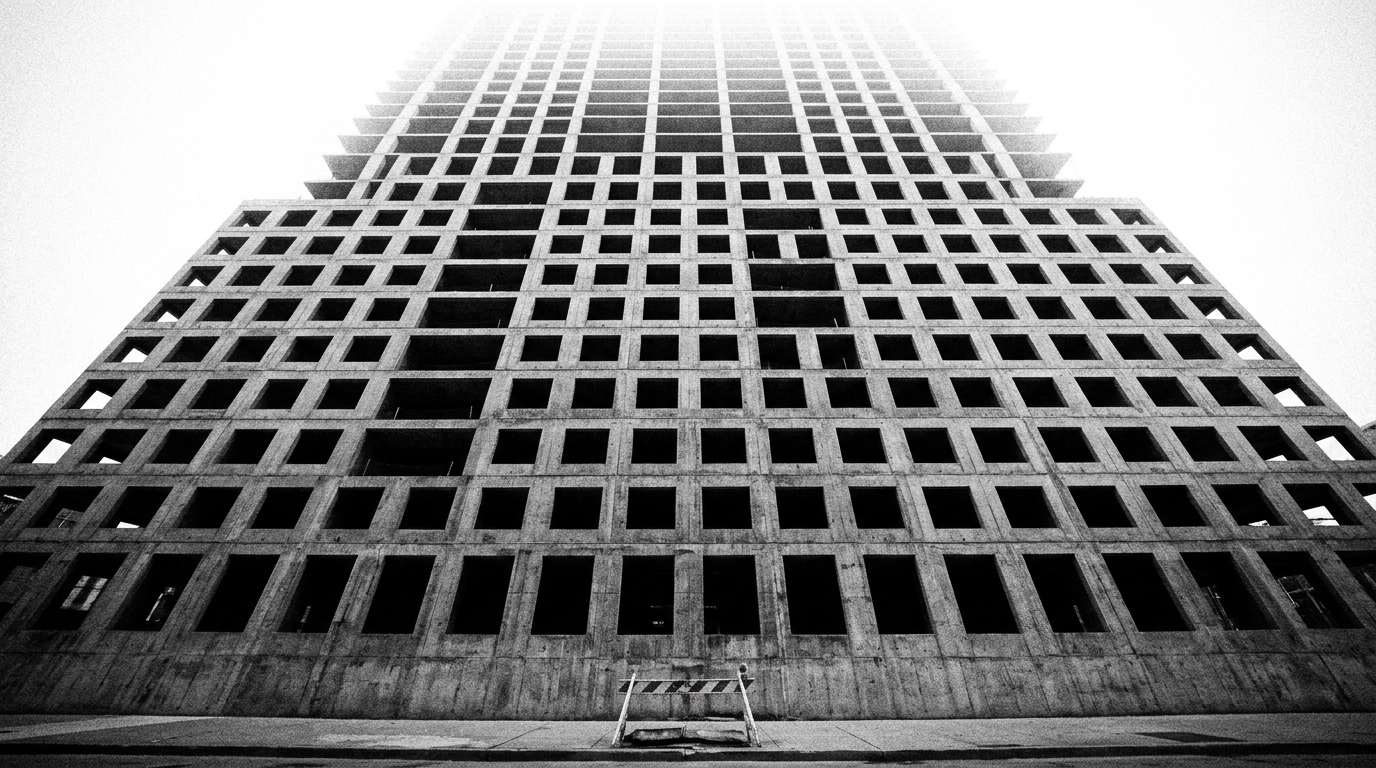
The W and Element Philadelphia is a 51-story, 755-key dual-branded complex with an original contract value of roughly $239 million. The general contractor, Tutor Perini, has now been ordered to pay $174.7 million to the developer (Chestlen Development LP) for 2,797 days of construction delays, plus $42.4 million to a subcontractor (Ventana DBS) for unpaid balances, labor inefficiency, and change orders the court found were deliberately ignored. Total judgments: 91% of the original contract value. The contractor's obligation to the courts now nearly equals the cost of building the hotel in the first place.
The delay math is brutal on its own. The original completion target was August 2018. The Element opened May 2021. The W opened August 2021. That's 2,797 days of liquidated damages at $35,000 per day, which accounts for $97.9 million of the developer's award. But the damages go deeper than the calendar. The court found that the contractor concealed knowledge of structural concrete defects across floors nine through fifty, failed to coordinate subcontractors, and acted in bad faith by denying problems it was simultaneously trying to fix by grinding concrete slabs. The subcontractor responsible for the building's exterior and window systems was hired for $14 million and ended up absorbing costs that ballooned into the $42.4 million judgment. That's a 3x cost overrun imposed on a sub by the GC's failures... a scenario I've seen in audit exactly once before at this scale, and it ended the same way.
Here's the number that should concern anyone in hotel development right now. Five years after the W opened, the hotel still cannot be fully occupied because some window vents remain inoperable due to the original construction defects. That's not a punch list item. That's permanent revenue impairment on a luxury asset. At a Category 6 Marriott Bonvoy property in Center City Philadelphia, those rooms carry ADRs north of $300. Every night a room sits dark because a vent doesn't work is real money, and that cost doesn't appear in the $217 million judgment total. It's on top of it.
The developer's legal counsel said something worth quoting in full context: "Contracts are not guidelines, they're contracts." That's the sentence every owner negotiating a GMP (guaranteed maximum price) agreement should tape to their monitor. Tutor Perini has stated it intends to appeal both judgments, and the company reported returning to profitability in 2025. But there's a third trial underway right now for the concrete subcontractor's damages, which means the total exposure is still growing. For the development community, this isn't a cautionary tale about one bad project. It's a case study in how contractor selection, GMP enforcement, and construction oversight failures compound... delay costs beget subcontractor disputes beget defect litigation beget revenue impairment that outlasts the litigation itself. The $239 million hotel may end up costing north of $450 million when you total the contract, the judgments, and the lost revenue from rooms that still don't function. That's $596,026 per key all-in on a select-service/lifestyle dual brand. Check that against your own development pro forma and ask whether your GC risk is priced correctly.
Let me be direct. If you're an owner with a ground-up project in the pipeline, this case should change how you structure your next GC contract. A GMP means nothing if your enforcement mechanism is a seven-year lawsuit. Three things to do this month: get your construction attorney to review your liquidated damages clause against what Chestlen actually recovered ($35K/day held up in court... that's your benchmark). Second, require monthly independent concrete testing on any project over ten stories. The Philadelphia court found the GC knew about defects and hid them. Third-party verification removes that variable. Third, if your GC is pushing back on subcontractor coordination language in the contract, that's your signal. The sub who got buried here was hired for $14 million and ate $42.4 million in damages caused by someone else's concrete. Your contract should make clear who absorbs that risk, because if it's ambiguous, it's yours. This is what I call the Renovation Reality Multiplier... except this isn't a renovation, it's a ground-up build where the "real disruption timeline" turned out to be three years of delay, five years of defects, and a judgment that nearly doubles the project cost. Build your pro forma around what actually happens, not what the construction schedule promises.