Jaipur Sealed Two Hotels Over $880K in Unpaid Taxes. They Paid Up in Two Hours.
Two branded hotels in Jaipur had their properties sealed by the municipal government over nearly two decades of unpaid urban development taxes. The speed of payment once enforcement actually happened tells you everything about how tax compliance works in Indian hospitality.
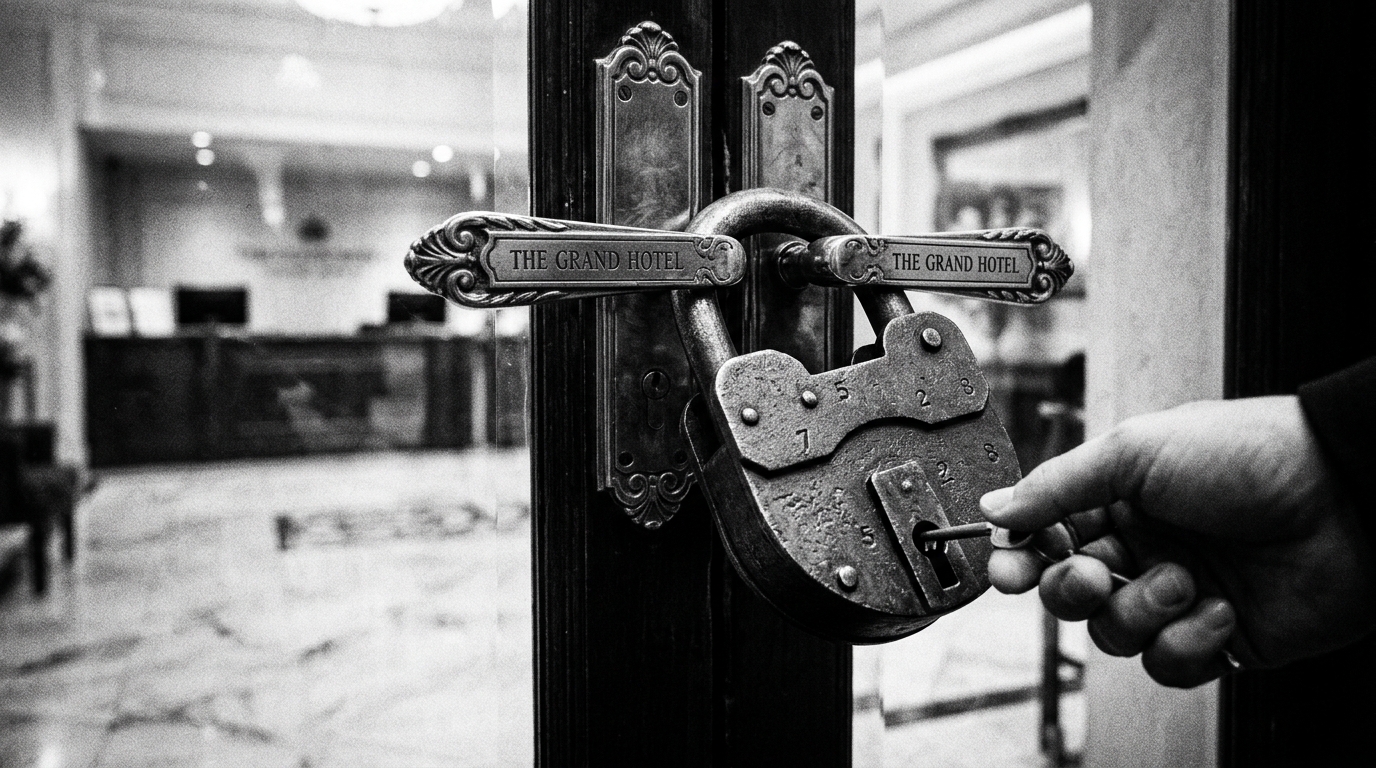
So here's a fun sequence of events. The Jaipur Municipal Corporation shows up Monday morning, seals off a luxury car showroom and restaurant connected to a Marriott property, does the same at a Ramada... and both hotel groups cut cheques within two hours. The Marriott-affiliated property owed roughly ₹5.97 crore (about $715,000 USD). The Ramada owed ₹1.36 crore (around $163,000). These aren't surprise bills. These dues go back to 2007. Nineteen years of notices, reminders, and apparently zero consequences... until someone actually showed up with a padlock.
Look, I'm not here to moralize about paying your taxes. But the technology and compliance angle is genuinely interesting to me. The Ramada property's defense was that they should be classified as "industrial" rather than "commercial" for tax purposes... a distinction that could significantly change the rate they owe. There's a 2007 Rajasthan High Court ruling saying hotels are generally commercial ventures for UD tax assessment. Then a 2022 state notification said tourism units (including hotels) should pay at industrial rates. So which system is the property management software tracking? Which rate is the accounting team using? In my experience consulting with hotel groups, the answer is usually "whatever the previous controller set up, and nobody's checked since." This is the unsexy side of hotel technology that nobody wants to talk about at conferences... tax classification logic baked into your property accounting system that nobody audits until a municipal officer is literally locking your doors.
What actually happened here is a compliance gap that turned into an enforcement event. The JMC has been running these drives across multiple zones... they sealed five properties in one area back in January, four more in another. This isn't random. It's a systematic revenue push by the municipal corporation, and hotels are visible, high-value targets. The JMC commissioner has publicly stated no leniency for defaulters. If you're operating in Jaipur (or anywhere in Rajasthan), this pattern is escalating, not cooling down.
The two-hour turnaround is the part that should bother you. These hotel groups had the money. They always had the money. The $715K wasn't going to bankrupt a property affiliated with Marriott. The $163K wasn't going to sink a Ramada. They paid instantly when the alternative was staying sealed. Which means the calculation for nearly two decades was simple: the cost of ignoring the notices was zero, so they ignored them. Now the cost just changed. That's not a tax problem. That's a risk management failure at the ownership level... and the kind of thing that a properly configured compliance system should be flagging years before it becomes a property-sealing event.
For operators running hotels in Indian municipalities, the actual question isn't whether you owe UD tax (you do). It's whether your property accounting system is classifying you correctly under current regulations, whether you're tracking the shifting industrial-vs-commercial designation that the Rajasthan government keeps changing, and whether anyone on your team is actually reconciling municipal tax obligations against payments made. I talked to a hotel group last year running eight properties across three Indian states, and their tax compliance was managed by a single accountant using spreadsheets. Eight properties. Three different municipal tax structures. One person. One spreadsheet. That's how sealing events happen.
If you're running a hotel in Rajasthan... or anywhere in urban India... pull your UD tax records this week. Not next quarter. This week. Check three things: your property's current classification (commercial vs. industrial), whether the 2022 LSG notification changed your rate and whether anyone actually adjusted it, and your outstanding balance including any interest or penalties. If your answer to any of those is "I'm not sure," you have a problem that's currently invisible and won't stay invisible. The JMC just proved they'll seal first and negotiate never. The Rajasthan state government has been offering interest and penalty waivers to encourage compliance... if that window is still open, use it before someone shows up with a lock. The cheapest tax bill is the one you settle before enforcement. I've seen this movie before. The sequel is always more expensive.