Mondrian Just Became an All-Inclusive Brand. The Lifestyle Promise Gets Its Hardest Test Yet.
Hyatt's two-year-old Vivid concept in Cancun is flipping to Mondrian's first-ever all-inclusive resort, and the speed of that transition tells you more about brand economics than any press release will. The question isn't whether lifestyle can work in all-inclusive... it's whether the owner just traded one set of undeliverable promises for a prettier version of the same problem.
Let me tell you what just happened here, because the press release version and the actual story are two very different documents. Grupo Murano opened a 400-room adults-only all-inclusive in Cancun under Hyatt's Vivid flag in early 2024. Vivid was supposed to be Hyatt's answer to the experiential all-inclusive wave... curated culinary, immersive programming, the whole mood board. Two years later, that flag is coming down and Mondrian is going up. Reservations opened June 15. The Hyatt affiliation officially ends August 19. That is not a strategic evolution. That is an owner who looked at the performance data, looked at the brand promise, and decided the math wasn't working. You don't rip a flag off a two-year-old property because everything is going great.
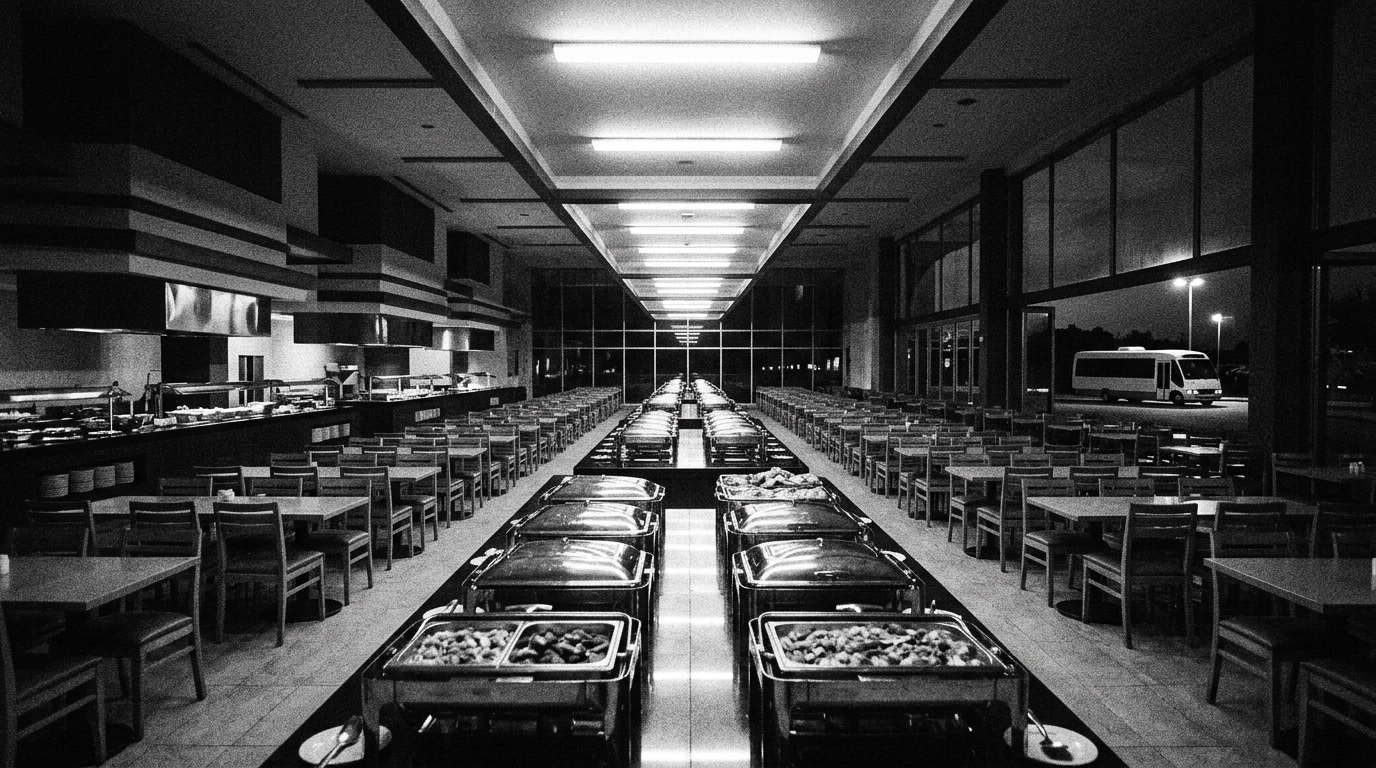
And now Mondrian... a design-forward lifestyle brand under the Ennismore/Accor umbrella that has never operated a single all-inclusive property anywhere on earth... is going to take over a 400-room resort with 10 dining venues, six bars, three pools, a rooftop infinity pool, a private beach club accessible by shuttle, and 328 branded residences in development. Their first all-inclusive. In Cancun. At scale. I have so many questions, and most of them start with "can the team in the building actually deliver this?" Because here's the thing about lifestyle brands entering all-inclusive: you're not just promising a pretty lobby and a DJ in the bar anymore. You're promising that EVERYTHING... every meal, every drink, every pool interaction, every late-night bite, every sunrise yoga class, every shuttle ride to the beach club... reflects your brand identity. All-inclusive means there is nowhere to hide. Every single touchpoint is prepaid and therefore pre-judged. The guest isn't deciding whether to spend money at your restaurant. They already spent it. Now they're deciding whether it was worth it. Every meal. Every drink. Every time. That is a relentless deliverability test, and most lifestyle brands have never faced anything like it.
I've watched three different lifestyle flags try to crack the all-inclusive model, and the failure point is always the same. The brand team designs an experience that works beautifully in the concept deck... signature cocktail programs, locally inspired tasting menus, "cultural programming" that sounds extraordinary on paper. Then you hand it to an operations team running a 400-room resort where 800 guests want breakfast at the same time and the specialty cocktail takes four minutes to make and there are six bars to staff and housekeeping has to turn suites (not standard rooms... suites, all 400 of them) and the beach club requires a shuttle operation and suddenly your "design-led cultural hub" is a logistics nightmare dressed in great furniture. I sat in a brand review once where someone presented a "curated evening experience" that required three dedicated staff members per evening per venue. I asked how many venues. Seven. I asked what the labor budget was. Nobody in the room had run it. That's brand theater.
What makes this story even more interesting is the speed. Hyatt launched Vivid as a brand concept in 2023. The Cancun property opened in early 2024. By mid-2026, the owner is already transitioning to a completely different brand family. That two-year lifecycle should concern every brand development team in the industry, because it means owners are making faster brand decisions than ever and the switching costs are apparently not high enough to create stickiness. When an owner with a two-year-old property decides to reflag... with all the disruption that involves, including losing World of Hyatt loyalty contribution, resetting the marketing engine, retraining (or replacing) staff on new standards, rebuilding the guest database under a new system... that owner has done a calculation that says the current brand is costing more than the transition. That's a damning verdict delivered very quickly. And it raises a question for Mondrian that nobody at the launch party wants to hear: what happens when Grupo Murano does the same math on you in 2028?
The branded residences add another layer. Three hundred twenty-eight units, one to three bedrooms, Mondrian's first residential project in Mexico. Those buyers aren't just buying real estate. They're buying a brand promise attached to a management structure attached to an operator who has never done all-inclusive before. If the hotel operation stumbles... if reviews slide because the lifestyle promise outpaced the operational capacity... those residence owners feel it directly in their property values. And unlike hotel guests who leave a bad review and move on, residence owners have lawyers. I genuinely hope Mondrian gets this right, because the concept of design-forward all-inclusive is compelling and the market clearly wants it. But wanting something and being able to deliver it at 400 rooms with 10 restaurants in a market where every competitor is fighting for the same hospitality talent... those are two very different things. The brand promise and the brand delivery are two different documents. They always have been. All-inclusive just makes the gap between them impossible to hide.
Here's what I want you paying attention to if you're an owner or operator with all-inclusive exposure in the Caribbean or Mexico. This Mondrian move is part of a real wave... SLS, W Hotels, and now Mondrian are all pushing lifestyle flags into all-inclusive. That means competition for guest dollars AND for operational talent in markets like Cancun is about to intensify. If you're already running an all-inclusive, audit your service delivery against your brand promise this quarter... not with a guest satisfaction survey, but by walking the property during peak meal service and counting the friction points yourself. If you're being pitched a lifestyle conversion for an existing all-inclusive property, demand actual performance data from comparable properties (not projections, not "potential"), and run your total brand cost as a percentage of gross revenue. If that number exceeds 18% and the loyalty contribution can't justify it, the flag is a tax, not a partnership. The switching costs are clearly getting lower. Make sure you're not the next owner doing this math in 24 months.