Today · Jun 10, 2026
Fort Lauderdale Got a Michelin Star. Now Try Staffing It With 2,100 Fewer Workers.

Fort Lauderdale Got a Michelin Star. Now Try Staffing It With 2,100 Fewer Workers.

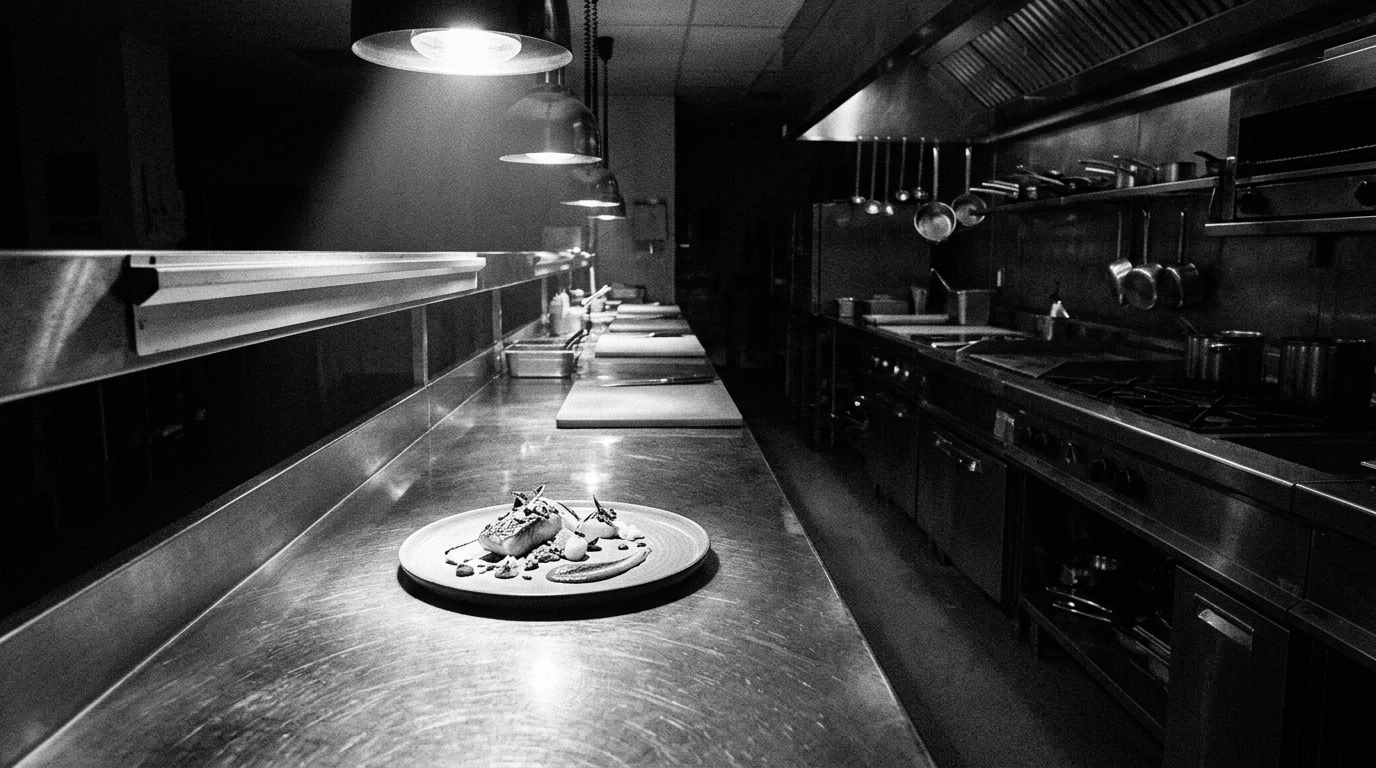
Four Seasons Fort Lauderdale kept its Michelin star and Michelin Guide nod for the second straight year. The part nobody's celebrating is that the market lost 3.2% of its hospitality workforce while approving 2,800 new luxury rooms... and those numbers are heading in opposite directions.

Available Analysis

I worked with a chef once... talented guy, could have cooked anywhere... who told me the hardest part of running a fine dining outlet inside a hotel wasn't the food. It was convincing ownership that you needed four prep cooks when the labor report said you could get by with two. "They see the plate," he said. "They don't see the six hours before the plate."

That's what I think about when I read that Four Seasons Fort Lauderdale just retained its Michelin star at MAASS Chef's Counter and kept Evelyn's on the Michelin Recommended list for the second consecutive year. Good for them. Genuinely. Ryan Ratino (who already runs two starred restaurants in D.C.) and Brandon Salomon are doing serious work, and that $150 tasting menu at Evelyn's isn't priced for tourists who wandered in off the beach. This is destination dining inside a hotel, and it's the kind of F&B execution that most luxury properties talk about and almost none actually deliver.

But here's what's gnawing at me. Fort Lauderdale approved 2,800 new luxury hotel rooms between 2023 and 2026. In that same window, the hospitality workforce in that market shrank by 3.2%... roughly 2,100 workers gone. Labor costs are up 18% since 2022. ADR has only moved 9%. You don't need a calculator to see where that margin goes. Operating margins in the market have compressed from that historical 35-38% range down to 28-32%. And now Michelin is shining a spotlight on a market that's going to need more talent, not less, to deliver on the promise that spotlight creates. The Michelin Guide expanding to cover all of Florida for the first time in 2026 is great press. It's also a commitment. Inspectors come back. Standards don't relax. You can't earn a star and then quietly dial back the experience when your sous chef quits and you can't replace her for three months.

Four Seasons can probably pull this off. They're Four Seasons. They have the brand equity, the compensation structure, and the global pipeline to attract and retain culinary talent that most properties in that market simply can't. That's not the story. The story is every other luxury and upper-upscale property in Fort Lauderdale that's now competing in a market where the dining bar just got raised publicly and permanently... while fishing from the same shrinking labor pool. When Michelin puts a city on the map, guests recalibrate their expectations for every restaurant in that zip code, not just the starred ones. Your lobby bar just got compared to a Michelin kitchen whether you like it or not.

This is what I call the Brand Reality Gap. The Michelin recognition, the press releases, the "defining moment for our city" quotes... that's the promise. The reality is a line cook shortage, margin compression, and a market where the gap between what luxury guests expect and what properties can consistently staff is widening by the quarter. The GM at Four Seasons, Mali Carow, said this is "a proud moment for our team." She's right. But the emphasis belongs on "team." That team is the asset. Not the star. Not the guide listing. The people who show up and execute it 365 nights a year. And in a market hemorrhaging hospitality workers while building thousands of new rooms, those people are about to become the most expensive and the most scarce resource on your P&L.

Operator's Take

If you're running F&B at a luxury or upper-upscale property in South Florida, the Michelin expansion just changed your competitive landscape whether you have a starred restaurant or not. Guest expectations in this market are recalibrating upward. Start with retention... your best culinary talent knows their value just went up. Review your compensation against the market this month, not next quarter. If you're spending 18% more on labor but only getting 9% more in rate, your F&B operation needs to justify its existence on the P&L with something other than "it's what a luxury hotel does." Run your F&B revenue per labor dollar and know your number cold. And if you're an owner looking at Fort Lauderdale development... factor in what it actually costs to staff a kitchen that meets the expectations Michelin just set for your market. The construction cost isn't what kills these projects. The operating cost is.
Read full analysis → ← Show less
Source: Google News: Four Seasons
A Michelin Star Just Moved Into an All-Inclusive. That's Not a Food Story.

A Michelin Star Just Moved Into an All-Inclusive. That's Not a Food Story.

When a resort group relocates a Michelin-starred restaurant into its adults-only property, it's not about the 27-course tasting menu. It's about what happens when F&B stops being a cost center and starts being the reason someone books the room.

Available Analysis

I watched a resort owner in the Caribbean blow $400K on a celebrity chef pop-up series about six years ago. Beautiful food. Stunning presentation. Instagram gold. He couldn't tell you within $100K what it did for his room revenue. The chef left after eight months. The kitchen staff he'd hired at premium wages expected to keep those wages. The guests who came for the food didn't come back when the food changed. It was the most expensive marketing campaign that nobody measured.

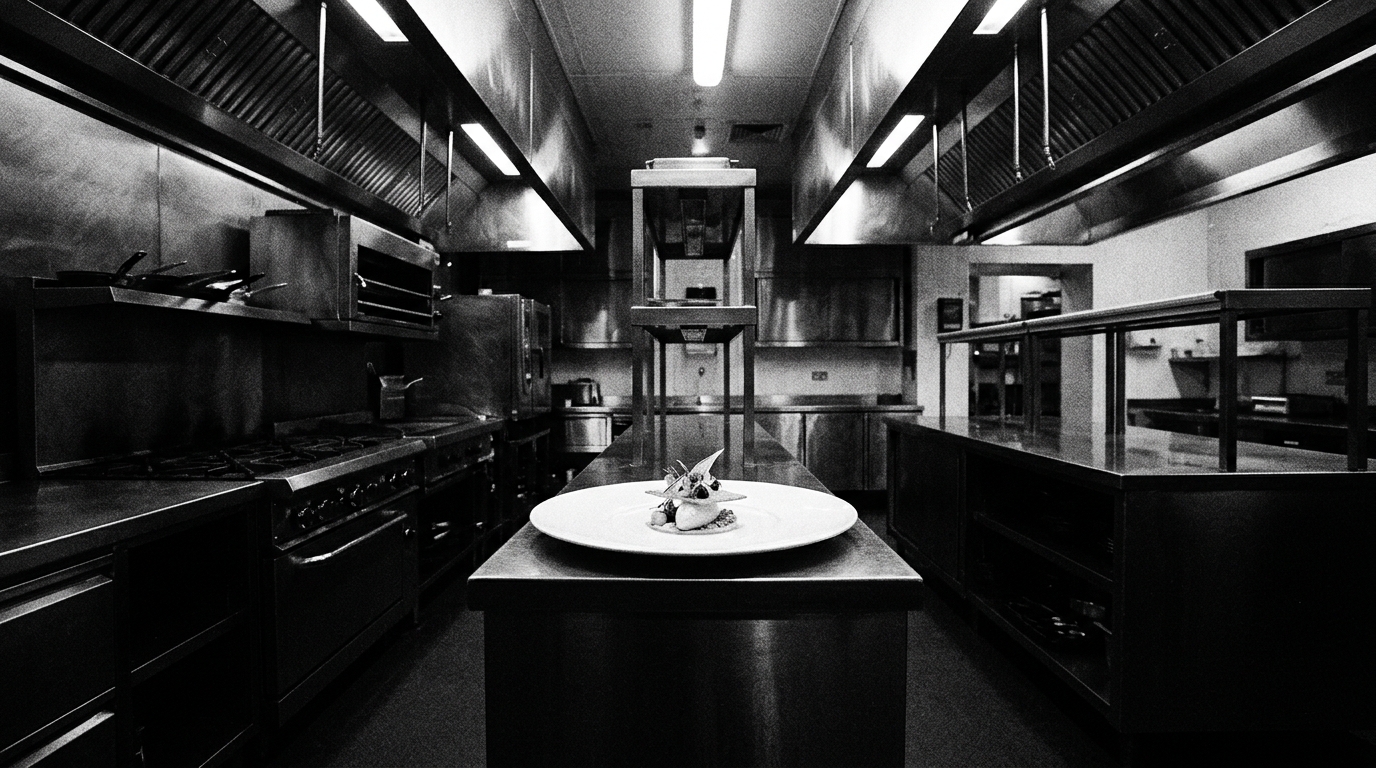
That memory is what I think about when I read that Xcaret Group just moved Le Chique... a Michelin-starred restaurant with a 27-course tasting menu... into Hotel Xcaret Arte, their adults-only resort in the Riviera Maya. Chef Jonatán Gómez Luna stays at the helm. The restaurant earned its star in both 2024 and 2025 from the Michelin Guide Mexico. On paper, this is a brilliant play. A resort acquiring a credentialed dining experience that most standalone restaurants would kill for. Mexico's luxury hotel market is projected to grow from $1.9 billion to $3.2 billion by 2033, and the properties that win will be the ones with a reason to choose them over the place next door. A Michelin star is a reason. A damn good one.

But here's where I start asking questions that the press release doesn't answer. A 27-course tasting menu is a multi-hour, highly choreographed experience that requires a specific brigade of trained culinary staff operating at a level most hotel kitchens never approach. That's not your breakfast buffet team pulling double duty. That's a separate operation with separate labor, separate sourcing, separate training, and a guest expectation level where one bad night becomes a TripAdvisor story that undermines the whole investment. Who manages that quality when the chef is traveling (and Michelin-starred chefs travel... that's how they stay relevant)? What happens when three of your specialized line cooks leave in the same month (and in hospitality, they will)? The operational complexity of maintaining Michelin-level execution inside a resort... where F&B already runs on razor-thin margins and labor headaches are constant... is something I've rarely seen discussed honestly. Grand Velas is doing it, reportedly the only all-inclusive brand with two Michelin-starred restaurants, and they just restructured their entire culinary leadership to sustain it. That tells you something about how hard this is to maintain. If it were easy, everyone would have done it already.

The bigger story is the strategic bet itself. Xcaret is building what I'd call a gastronomic moat... assembling enough culinary firepower (Gómez Luna is part of their broader "Gastronomic Collective") that the dining becomes inseparable from the destination. That's smart if you can execute it, because it turns F&B from the line item every owner wants to shrink into the line item that justifies the ADR. It changes the math entirely. Instead of "how do we minimize our food cost percentage," the question becomes "how much incremental room rate does this restaurant support?" And that's a question almost nobody in resort operations is equipped to answer, because we've spent 30 years training ourselves to see F&B as a cost center. The properties that figure out this math first... and can actually deliver the experience consistently... are going to create separation from their comp set that no renovation or loyalty program can match. The ones that try it without the operational infrastructure are going to spend a fortune on a kitchen that slowly becomes a very expensive embarrassment.

This is where the industry is heading in luxury and upper-upscale, and most operators aren't ready for the conversation. The Michelin Guide didn't even exist in Mexico until 2024. Now it's reshaping how resorts compete, how they staff, and how they justify their rates. That happened fast. And it's not slowing down.

Operator's Take

If you're running a luxury or upper-upscale resort property, especially in a leisure market, this is the competitive shift you need to get ahead of. Don't wait for your brand to tell you F&B matters... start quantifying what your dining experience contributes to rate and repeat bookings right now. Pull your guest surveys and reviews and isolate the F&B mentions. Calculate what percentage of your five-star reviews reference food. That's your baseline for understanding whether your dining program is driving revenue or just surviving. If you're an owner watching this from the sidelines thinking "that's a Mexico thing," it's not. The expectation that great hotels have great food is spreading into every leisure market. This is what I call the Price-to-Promise Moment... for a growing segment of luxury guests, dining IS the moment where they decide the rate was worth it. Design for that. Budget for that. And for the love of everything, staff for that before you promise it.

Read full analysis → ← Show less
Source: Google News: Resort Hotels
End of Stories