NYC Is Squeezing Hotels From Every Direction. The Math Is Getting Brutal.
New York City wants to raise property taxes nearly 10% on an industry already drowning in regulatory costs, union labor at $40 an hour, and operating expenses growing four times faster than revenue. At some point, the math stops working... and we're getting close.
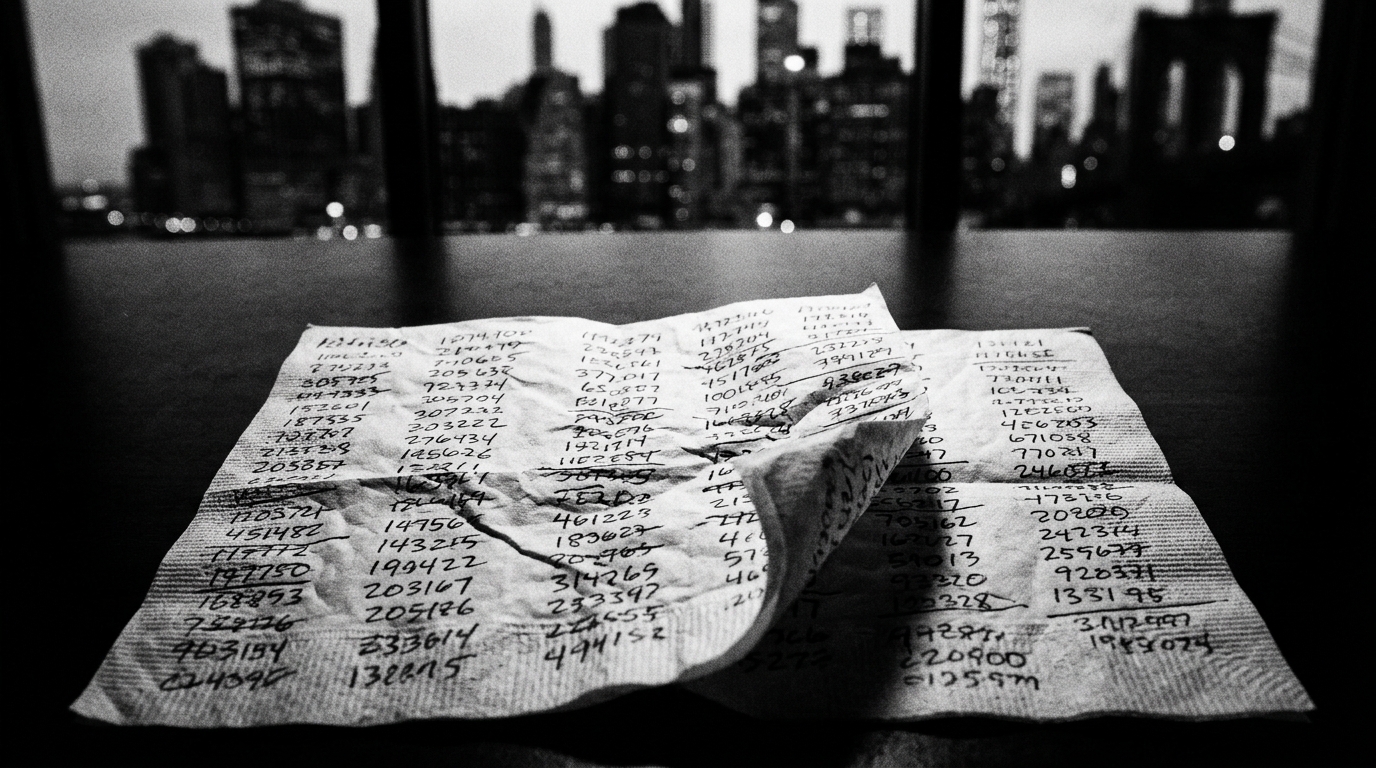
I sat in a budget meeting once with an owner who had three hotels in a major Northeast market. He pulled out a napkin (yes, a napkin) and started listing every line item that had gone up in the past 18 months. Insurance. Labor. Property taxes. Compliance costs from a new city ordinance. When he ran out of room on the napkin, he flipped it over. When he ran out of room on the back, he looked at me and said, "Mike, at what point am I just collecting money for the government and paying my staff, and there's nothing left for me?" I didn't have a good answer. I still don't.
That's where New York City hotel owners are right now. The mayor wants a 9.5% bump to real property taxes. The city council is eyeing corporate tax increases. This is on top of the Safe Hotels Act that passed in 2024, which mandates continuous front desk staffing, panic buttons for housekeeping, and prohibits subcontracting housekeeping and front desk at properties over 100 keys. Layer on unionized room attendants earning roughly $40 an hour (that's $23 more than non-union, for anyone keeping score), insurance costs that jumped nearly 22% in one cycle, and operating costs that have been climbing four times faster than revenue growth over the past five years. Revenue growth this year? Projected at under 1% nationally. So you've got expenses on a rocket and revenue on a bicycle. The AHLA just testified to the city council about this, and they weren't wrong to sound the alarm... but I'm not sure anyone in that chamber was listening.
Here's the thing nobody wants to say out loud. New York hotels are generating massive economic value. Each room night produces an estimated $1,168 in visitor spending. The industry supports 264,000 jobs... roughly 5% of the city's workforce. It's projected to throw off $4.9 billion in tax revenue in 2026. And the city's response to all of that economic horsepower is to pile on more cost. It's like owning a racehorse and then strapping sandbags to the saddle before the Kentucky Derby. The AHLA specifically cited San Francisco as a cautionary tale, a city where the hotel industry entered what they called a "doom loop"... rising taxes, unrealistic regulation, business closures, declining tax base, which led to more taxes on whoever was left. That's not hypothetical. That happened. And the parallels are close enough to make you uncomfortable.
What makes NYC uniquely painful is the stack effect. It's not one thing. It's everything at once. The Airbnb crackdown (Local Law 18) wiped out nearly 80% of short-term rental listings, which theoretically should have been a gift to hotels... more demand, less alternative supply. And it did push occupancy to 81.7% and average rates to $388 a night, both strong numbers. But the cost to capture that revenue has exploded. The migrant shelter program absorbed hotel inventory at $185 per room per night (try running a hotel when the city is your biggest customer and also your biggest regulator). International travel to the city dropped 5% last year, and those are the $4,000-per-trip visitors you really need. So you've got record rates, near-record occupancy, and owners who are STILL struggling with margins. That should tell you everything about where the cost structure has gone.
The industry has lost 20,000 rooms since 2019. Let that number sit for a second. Twenty thousand rooms gone from one of the most in-demand hotel markets on the planet. That's not a market correction. That's a signal. When owners start selling or converting out of hospitality in Manhattan, the economics have broken. And the proposed response from the city isn't to fix the economics... it's to extract more from whoever hasn't left yet. At some point, and I think we're closer than most people realize, the calculation for a NYC hotel owner becomes: sell to a residential developer, convert to another use, or just absorb the slow bleed until the asset value drops enough that someone else's problem starts. None of those outcomes generate the tax revenue or the jobs that the city says it wants to protect.
If you're an owner or asset manager with NYC hotel exposure, pull your five-year tax and regulatory cost trend right now and model forward with a 9.5% property tax increase. Then stress-test your hold decision against a disposition or conversion scenario. This is what I call the Invisible P&L... the regulatory compliance costs, the mandated staffing floors, the insurance spikes that never show up in the brand's pro forma but absolutely destroy your actual return. For GMs on the ground, document everything. Every incremental hour of labor driven by the Safe Hotels Act, every insurance renewal, every compliance cost. Your owners are going to need that data when they sit down with their accountants this quarter, and "costs went up" isn't specific enough. Give them the number. To the dollar.