393 Keys in Tianjin. Zero Clarity on What the Tech Stack Actually Looks Like.
Hyatt just opened a 393-room select-service property inside a Chinese healthcare-and-transit megadevelopment, and the press release is full of "smart climate control" and "high-speed Wi-Fi" without a single detail about how any of it actually works at scale.
So Hyatt Place just opened in Tianjin, 393 rooms, plugged into a high-speed rail station and wrapped inside something called Perennial Healthcare City... a mixed-use development combining hospitality, healthcare, senior living, and commercial space. The press materials mention smart climate control, high-speed Wi-Fi, floor-to-ceiling windows, an all-day dining concept, and access to over 3,000 square meters of shared meeting space across the broader complex. Sounds great. Reads great. And tells you absolutely nothing about the technology infrastructure that has to make all of this function simultaneously.
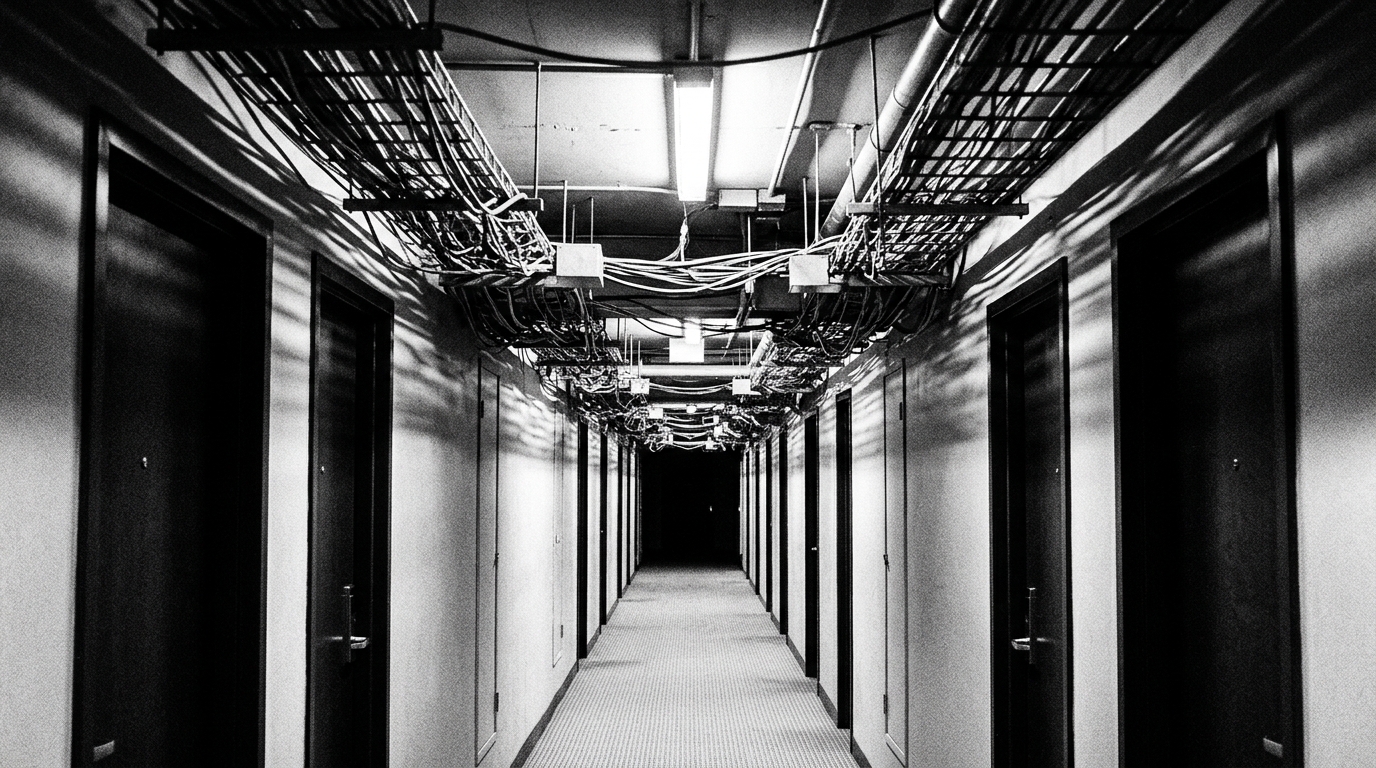
Here's what I actually want to know. When you're running 393 rooms inside a multi-use complex that includes a healthcare facility and senior living... what does your network architecture look like? Because healthcare-grade connectivity requirements and hotel guest WiFi are fundamentally different animals. Healthcare systems need guaranteed uptime, segmented networks, compliance with data handling regulations that vary by jurisdiction. Hotel WiFi needs to handle 600 devices streaming at peak hours without a guest calling down to say their Zoom keeps dropping. Running both of those inside one integrated development means either you've built genuinely separate infrastructure (expensive, correct) or you're sharing backbone and praying the bandwidth math works out (cheaper, dangerous). The press release doesn't say. It never does.
The "smart climate control" mention is the one that really gets me. I consulted with a hotel group last year that rolled out IoT-based room controls across a 280-key property. Beautiful concept. Guests could adjust temperature, lighting, and curtains from an app. Except the system relied on a cloud connection for every command, and when the property's internet had a latency spike (which happened roughly twice a week because the building's wiring was 15 years old), guests would tap the app and nothing would happen for 30 seconds. You know what guests do when the app doesn't work? They call the front desk. You know what the front desk can't do? Remotely fix a cloud-dependent IoT timeout. The property ended up leaving physical thermostats in every room as a fallback. Two climate control systems. One of which exists solely because the other one can't be trusted. That's what "smart" actually means at property level when nobody stress-tests the infrastructure.
Look, Hyatt's broader China strategy makes sense on paper. They just signed a master franchise deal with Huanyue International to push Hyatt Select across mainland China. They're chasing an asset-light model targeting 80% of earnings from management and franchise fees. The Tianjin market has been through some correction... star-rated hotels dropped from 49 to 41 between 2023 and 2024... which means there's potentially less competition and room for a well-positioned select-service product near a major transit hub. The location logic isn't wrong. Transit-oriented development is a legitimate thesis, especially in a market where high-speed rail drives enormous traffic volume. But a good location thesis and a good technology deployment are two completely different things, and one of them gets a press release while the other gets tested at 2 AM when the night engineer is the only person in the building.
The question I'd ask if I were evaluating this property's tech stack: who owns the technology infrastructure in a shared development? Is Hyatt running its own systems independently, or is it dependent on Perennial Holdings' building management platform for things like climate, access control, and network backbone? Because in every integrated development I've seen, the answer to "who's responsible when the system goes down" is some version of "it depends on which system" followed by 45 minutes of finger-pointing while a guest stands in a room that won't cool below 78 degrees. Integration across a mixed-use complex isn't a feature. It's a risk that needs to be managed with clear ownership boundaries and local fallback systems. And until someone tells me those exist here, the "smart" amenities are marketing copy, not operational capability.
Here's the thing for any of you operating inside mixed-use or integrated developments... whether it's transit-oriented, healthcare-adjacent, or just a hotel attached to a convention center. Get your technology infrastructure ownership in writing. Not a handshake. Not "the developer handles the backbone." A written document that says who owns what system, who's responsible for uptime, and what happens when building-wide infrastructure fails and your guests are the ones feeling it. If you're sharing network backbone with a non-hospitality tenant, run your own bandwidth stress test at peak load before you trust their numbers. And if you've got IoT room controls... smart thermostats, app-based lighting, any of it... make sure there's a physical fallback that works when the cloud doesn't. Your guests don't care about your architecture. They care that the room is 68 degrees when they walk in.