RevPAR Up 9.7% and the World Cup Isn't Even the Reason
U.S. hotel performance just posted its strongest weekly numbers of 2026, and 97% of the demand growth came from markets that never hosted a single World Cup match. If you've been banking your summer forecast on soccer tourists, you might be looking at the wrong scoreboard.
I worked with a revenue manager once who had a saying every time a big event came to town: "The event fills the hotel. Everything else fills the bank account." She meant that the splashy nights... the Super Bowl weekends, the convention blocks, the concert sellouts... those are great for bragging rights. But the money that actually builds your year is the Tuesday-through-Thursday grind that nobody writes press releases about.
That's exactly what's happening right now across the U.S. hotel industry, and it's the most important performance story of the summer.
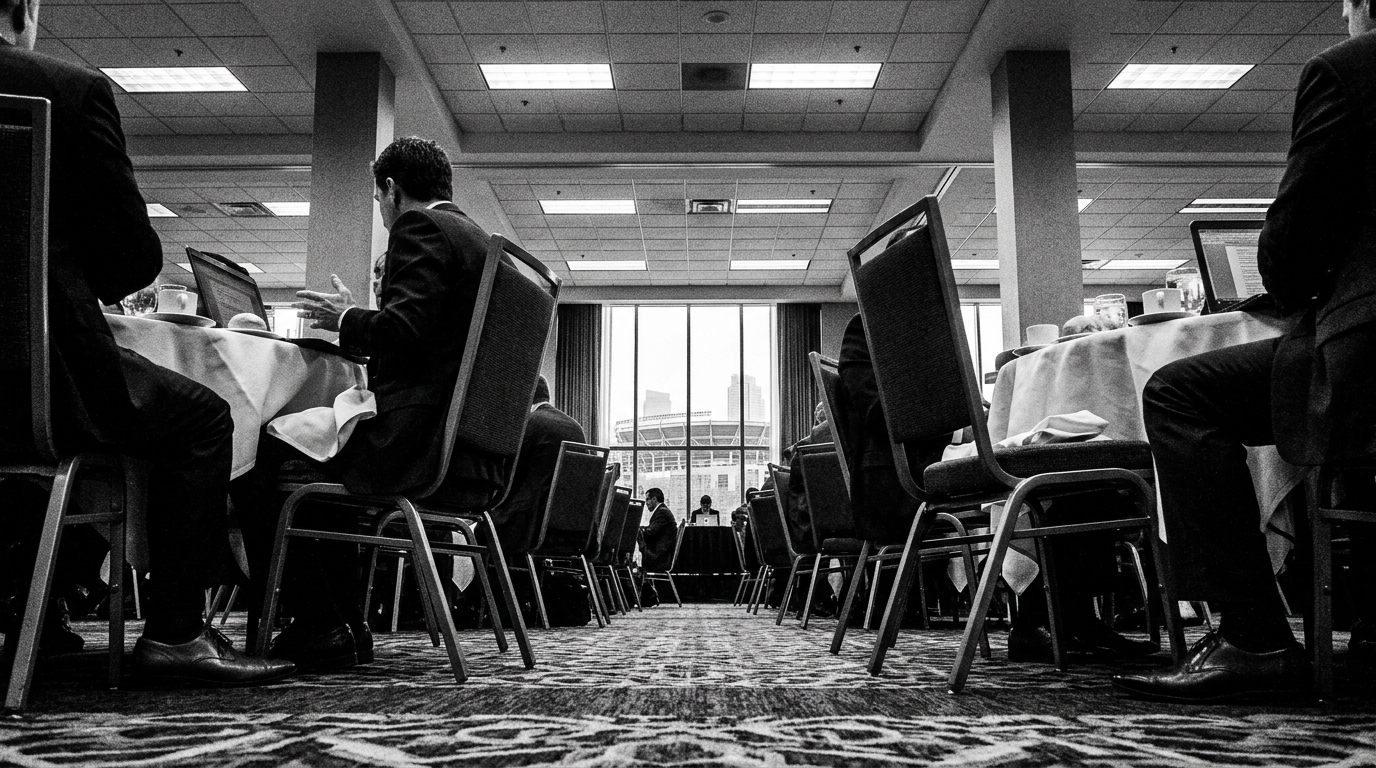
For the week ending June 20, the national numbers came in at 71.3% occupancy (up 1.2%), $178.03 ADR (up 8.4%), and RevPAR of $126.86 (up 9.7%). Those are real numbers. And here's the part that should make every operator sit up: weekday RevPAR from mid-May through mid-June accounted for 97% of overall RevPAR gains. Not weekends. Not World Cup game days. Midweek. Business travel. Group. The boring stuff that actually pays the bills. Meanwhile, Miami... one of the showcase host cities... saw occupancy drop 9% to 20% below last year for the first 10 nights of the tournament. FIFA cancelled thousands of hotel rooms back in March. Host city room rates on game days had fallen by a third by April. Some hoteliers were calling the whole thing a "non-event." San Francisco and Houston had strong weeks, sure, but San Francisco also had a major tech conference running simultaneously. Peel back the World Cup layer and what you find underneath is a business travel recovery that's been building quietly since Q1, when RevPAR hit a record high. CoStar upgraded their full-year 2026 forecast from 0.6% growth to 2.8% growth... and they specifically said the World Cup wasn't the reason.
This is what I call the National Number Trap, and it cuts both ways. The 9.7% RevPAR headline sounds incredible. But if you're in a World Cup host city that just got hammered because corporate groups avoided your market (they did... large meetings deliberately steered clear of host cities), that national number is meaningless to you. And if you're in a 150-key select-service in a secondary market that just had its best midweek run in three years because group business is finally back, you don't need the World Cup to explain it. Your comp set tells you everything the national average obscures. The real story isn't the tournament. The real story is that business and group travel decided to show up in 2026, and it showed up on Tuesday, Wednesday, and Thursday... which is exactly when your margins are widest because you're not paying overtime and your F&B is running at scale.
Look... I've been through enough event cycles to know how this plays out. The narrative will be "World Cup boosted hotels." The data says something different. The data says American business travel is back, and the event was a nice backdrop in some markets and a headache in others. If you're making staffing decisions or pricing strategy based on "but there's a World Cup," you're solving the wrong problem. The demand driver that matters is the one that shows up 52 weeks a year, not the one that shows up for a month and brings its own complications. Phocuswright is projecting room revenue at $214.7 billion for 2026. That's 3% growth. That's not built on soccer fans. That's built on road warriors who are finally back on airplanes, group business that's finally hitting pre-pandemic rhythms, and midweek demand that's been the quiet engine all year. Pay attention to that engine. That's the one you can actually plan around.
If you're a GM at a select-service or full-service property, pull your midweek performance for the last 60 days and compare it to the same period in 2024 and 2019. If your Tuesday-through-Thursday RevPAR is up more than 5%, that's not noise... that's a trend you should be pricing into your Q3 forecast. Talk to your sales team about what group RFPs look like right now. If the pipeline is building, adjust your transient displacement strategy before you leave money on the table. And if you're in a World Cup host market that just took it on the chin because corporate groups avoided you, don't panic-discount your way through July. That business will come back when the circus leaves town, but only if you haven't retrained your market to expect a lower rate. Hold your rate. Fill strategically. The midweek demand wave is real and it doesn't require a FIFA logo to sustain it.