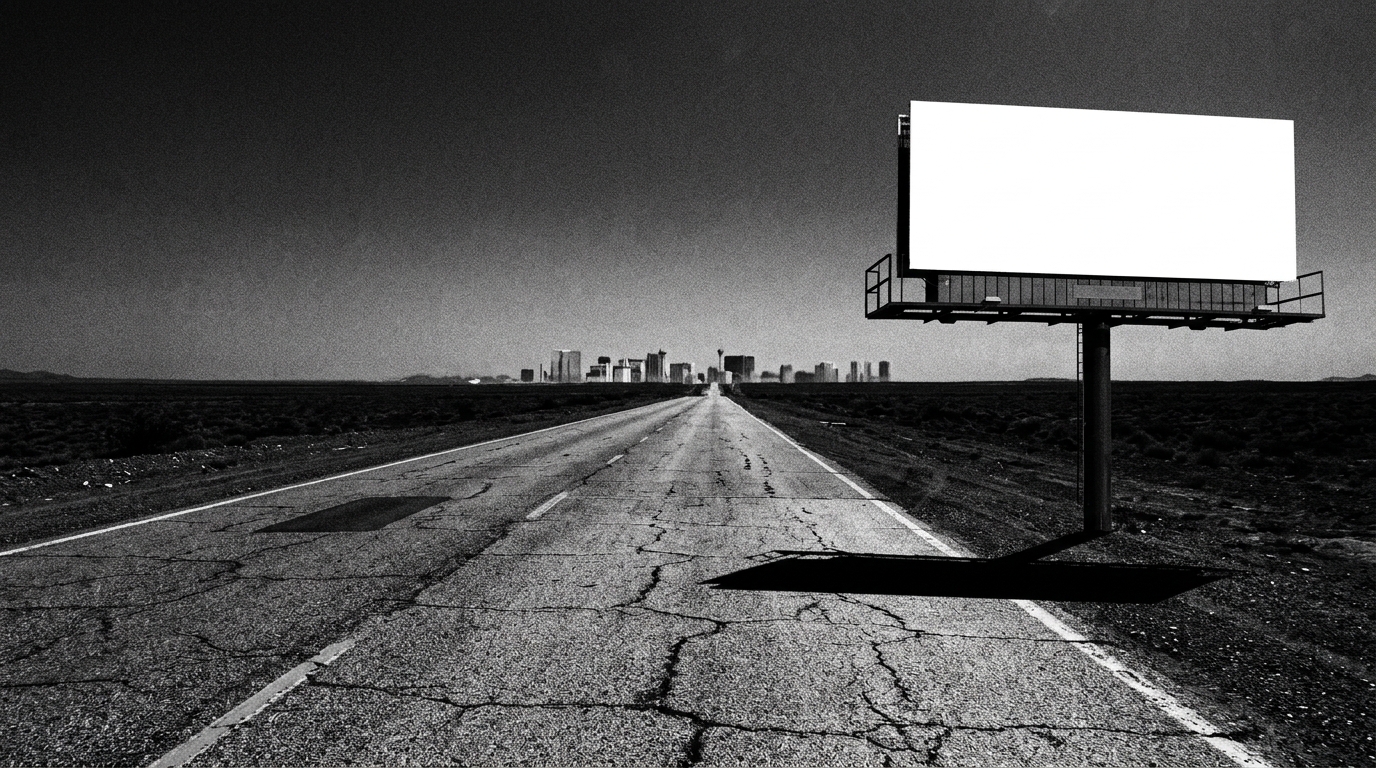
344 People Just Got Told Their Town Is Closing. Primm Is Done.
Affinity Interactive is shutting down the last casino resort in Primm, Nevada on July 4th, ending a market that sold for $400 million less than 20 years ago. The death wasn't sudden... it was a decade of pretending repositioning could replace relevance.
I worked with a guy once who managed a highway hotel about 45 minutes outside a major market. Good guy. Solid operator. But every year, his feeder traffic got a little thinner. A new casino opened closer to the source market. Then another one. Then a tribal property with a golf course and a spa that made his renovated pool look like a puddle. He kept telling ownership they could reposition. Kept pitching capital improvements. New signage. Better F&B. "We just need to give them a reason to stop." One day I asked him, "What if the reason to stop doesn't exist anymore?" He didn't have an answer. Nobody ever does when the geography turns against you.
That's Primm. The whole story, right there.
Affinity Interactive just announced the permanent closure of Primm Valley Resort & Casino, effective July 4, 2026. Three hundred and forty-four employees lose their jobs. Some of them live in company-provided housing... they've got until July 6 to get out. Two days after the lights go off. This is the last domino. Whiskey Pete's closed in December 2024. Buffalo Bill's went dark for regular operations in July 2025. The Desperado roller coaster shut down back in 2019. They've been dismantling this town one amenity at a time for years. Now they're pulling the plug on the building that kept the lights on for everybody else.
Here's what makes this sting. In 2007, Herbst Gaming paid $400 million for these properties. Four hundred million dollars. That was the peak... the moment right before tribal casinos in Southern California (Pechanga, Morongo, Yaamava, and a dozen others) started siphoning away the exact customer base that made Primm viable. The entire business model was "catch them on I-15 before they get to Vegas." Once Southern California customers could gamble 45 minutes from home instead of driving three hours into the desert, Primm became a rest stop with slot machines. Affinity tried to rebrand it as a "travel resource for motorists." Think about that phrase for a second. That's what you call it when you've given up on being a destination but can't bring yourself to say it out loud. And now Affinity's own debt is trading at less than 50 cents on the dollar, with a debt-to-EBITDA ratio that ballooned from 7.8x to nearly 12x in about 18 months. They're not closing Primm because they want to. They're closing it because they have to.
The part that nobody's going to put in the press release is what happens to the 344 people. Some of them have been there for years. They moved to a town that exists because of these hotels. There is no "other employer" in Primm. There's no Plan B down the street. When the resort closes, the town closes. Cory Clemetson... the grandson of the guy who founded Primm... said he wished the operators could have done more. I'm sure he does. But "more" wasn't going to fix a market that lost its reason to exist. As recently as August 2025, they were announcing 600 renovated rooms and a buffalo-shaped pool. A buffalo-shaped pool. Eight months before permanently shutting down. That's not a strategy. That's denial with a rendering attached.
I've seen this movie before. Not at this scale, but the pattern is identical. A property that was built for one reality... geographic advantage, captive demand, limited competition... gets slowly strangled as the competitive landscape shifts. And instead of having the hard conversation early ("this location may not support this product anymore"), everybody keeps throwing capital at it. New rooms. New amenities. New branding. Trying to manufacture a reason for people to come when the original reason evaporated years ago. By the time someone finally says the word "closure," the money's already gone. The equity's already destroyed. The only people who didn't see it coming are the ones who weren't looking at the map.
If you're operating a property where your primary demand generator is geographic positioning... an interstate location, a border-town advantage, proximity to something that used to draw people but doesn't anymore... stop reading the RevPAR report and start reading the competitive map. Drive a hundred miles in every direction and count what opened in the last five years. This is what I call the Three-Mile Radius, except in Primm's case it was a 200-mile radius and every new tribal casino inside it was a nail. The question isn't whether your numbers are okay today. The question is whether the thing that makes people stop at your property still exists, or whether you're running on residual habit. Habit runs out. Bring that map to your owner before the conversation becomes about closure instead of strategy.