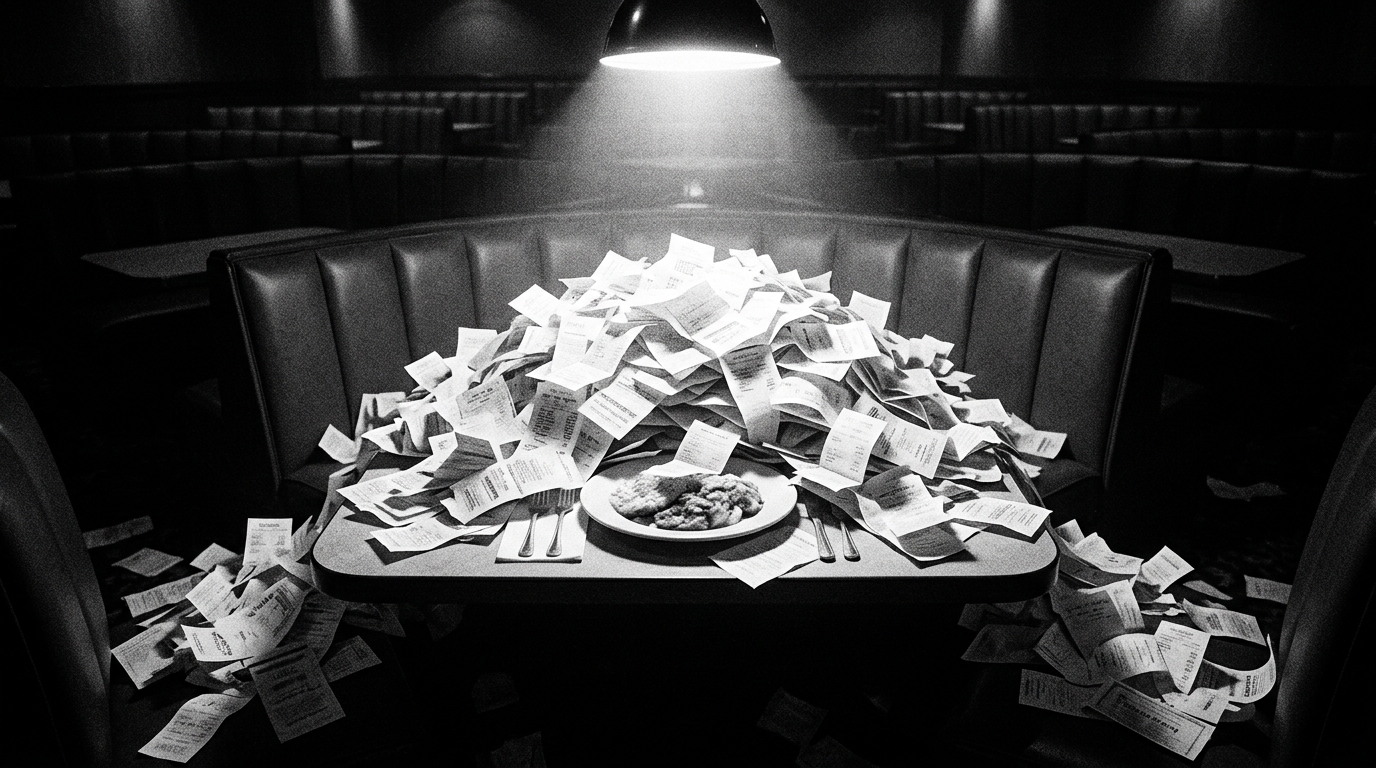
MGM's $330 All-Inclusive Package Isn't All-Inclusive. It's a Bundled Coupon Book.
MGM is calling its new Luxor and Excalibur package "all-inclusive," but anyone who's actually run an all-inclusive knows this is a pre-paid bundle with guardrails, dedicated menus, and a prayer that guests don't do the math on margin once they're inside the building.
I worked with a GM years ago who tried a "resort package" deal at a 400-key convention property during a soft quarter. Bundled the room, breakfast, parking, and two drink tickets. Sold like crazy. Occupancy jumped. The revenue report looked great. Then the F&B director pulled him aside about six weeks in and showed him the food cost. Guests were ordering the most expensive breakfast item every single morning because... why wouldn't they? It's included. The bar tickets were being used exclusively on top-shelf pours because the program didn't specify well drinks. The package was generating revenue. It was destroying margin. They killed it in 90 days.
That's the movie playing in my head when I read about MGM launching a $330 plus tax, two-night "all-inclusive" package at Luxor and Excalibur. And look... I understand the impulse. Vegas tourism dropped 7.5% last year. Resort fees north of $50 a night have turned a weekend getaway into a budgeting exercise. The buffet model that used to anchor the value proposition is mostly dead. MGM is staring at two of its lowest-tier Strip properties and trying to figure out how to get heads in beds who will spend money somewhere on the campus. The strategic instinct isn't wrong. The execution raises every question I've ever had about bundling.
Let's be specific about what this actually is. For $330 plus tax (two nights, two guests), you get the room, resort fees, three meals a day from "dedicated menus" at a handful of MGM restaurants, one beer or wine per meal, two show tickets from a preset list, a roller coaster ride, and parking. MGM says the à la carte value is $875 to $945. That 65% savings number is doing a lot of heavy lifting... it assumes you'd actually buy all of those things at full retail, which almost nobody does. The real comparison isn't à la carte versus bundle. It's what the guest would have actually spent versus what they're spending now. And that's where it gets interesting for operators watching this from outside Vegas. The "dedicated menus" tell you everything. Those aren't the regular menus. Those are cost-controlled, margin-engineered menus designed to deliver the perception of dining value while keeping food cost from eating the entire package price alive. That's not all-inclusive. That's a prix fixe with extra steps. The show tickets are from a "select list" of six options... which means the highest-demand, highest-margin shows aren't on it. This is inventory management disguised as generosity. And I'm not criticizing it... it's smart. But let's call it what it is.
Here's what nobody's talking about: the operational complexity this creates at property level. You've now got guests walking into restaurants across five different properties with a package credential that the server needs to validate, a dedicated menu that's different from what regular guests are ordering, a one-drink-per-meal limitation that needs to be tracked, and a billing structure that routes back to a package code instead of a room folio. Multiply that by however many package guests are in the building on a given night. Your servers are now running two systems. Your hosts are seating two classes of guest. Your kitchen is prepping two menus. For every operator who's ever tried a bundled dining program, you know the friction this creates on the floor. It's manageable at low volume. If this thing actually sells well? That's when the wheels start to wobble.
The bigger question is whether this is a trial balloon or a survival signal. MGM's net margin dropped from 4.3% to 1.2% last year. They're carrying significant debt. The Las Vegas Strip generated 56% of their total EBITDAR in 2025... on declining visitation. If this package works at Luxor and Excalibur, you can bet it migrates up the portfolio. And that changes the competitive math for every operator on the Strip and every non-gaming hotel in the market competing for the same leisure dollar. When the biggest player in town starts bundling and discounting this aggressively on the low end, it puts downward pressure on rate for everyone in the segment. The Plaza downtown has been doing all-inclusive packages since 2024. Conrad at Resorts World launched a premium version at $150 per person per night. This isn't an experiment anymore. This is a pricing trend, and if you're running a hotel anywhere near the Vegas corridor, you need to understand what happens to your ADR when the competition starts giving away what you're charging for separately.
If you're a GM or revenue manager at a non-gaming hotel in Vegas (or any market where a dominant player starts bundling aggressively), this is your early warning. Run the math on what happens to your ADR if 15-20% of your comp set's inventory shifts to bundled pricing... because that's what this does to rate integrity in the market. This is what I call the Rate Recovery Trap. MGM can afford to compress rate at Luxor and Excalibur because they're monetizing the guest across an entire campus of casinos, restaurants, and shows. You probably can't. Don't chase a bundled pricing strategy because the big guys are doing it unless you have the ancillary revenue streams to make the bundle math work. If you do offer packages, control the food cost with fixed menus (MGM figured that part out), limit the high-margin giveaways, and for the love of God, track your actual margin per package guest weekly... not monthly. Weekly. The GM I mentioned killed his program in 90 days. He was lucky he caught it that fast.
