Marriott Just Dumped Pepsi After 34 Years. Your Bar Program Is About to Get Complicated.
Coca-Cola replaces PepsiCo as Marriott's global beverage partner across 10,000 properties, ending a relationship that predates most GMs' careers. The press release talks about "guest preference" and "economic benefits for owners," but nobody's talking about what happens in the next 90 days at property level.
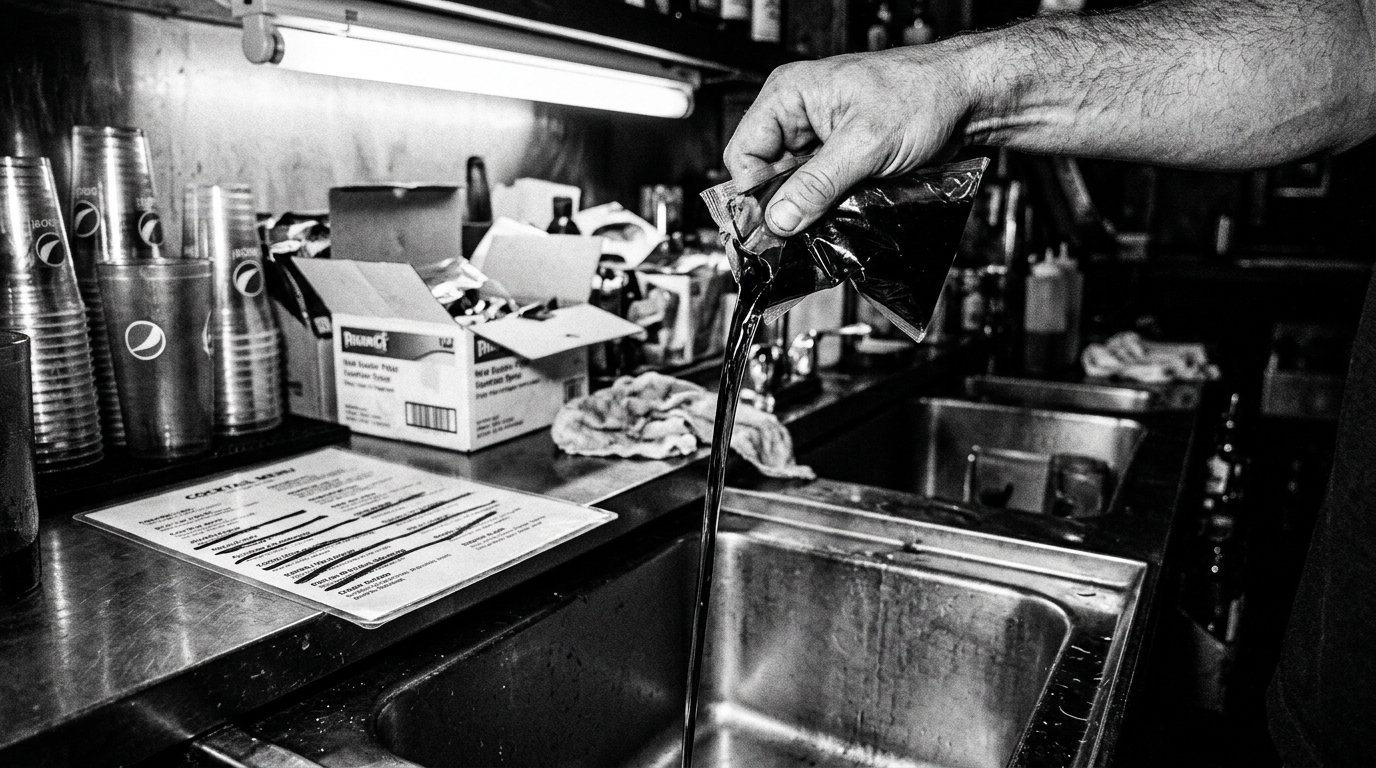
Let me tell you what I thought about when I read this announcement. Not the press release language about "two iconic brands" and "shared commitment to quality." I thought about the bar manager at a full-service Marriott somewhere in the Southeast who just found out that every signature cocktail on her menu that uses a Pepsi product is now obsolete. The ginger ale in three of her craft cocktails. The Mountain Dew mixer in that frozen thing the poolside crowd loves. The Tropicana juice program she spent two years building into her breakfast identity. All of it... gone. Starting today. Because today is July 1st and the rollout begins "immediately," according to the announcement, with a "phased" timeline that sounds organized in a press release and chaotic at property level.
Here's what Marriott is telling you: Coca-Cola products are preferred 2:1 globally and favored by over 70% of Marriott guests. Fine. I believe that number. Coke has historically dominated international markets, and Marriott is a global company with roughly 10,000 properties in 146 countries. The guest preference argument isn't wrong. But guest preference for a soft drink brand and operational disruption of a 34-year vendor relationship are two completely different conversations, and Marriott is having the first one very loudly while barely whispering about the second. This is a procurement deal negotiated through Hot Shoppe Services International, Marriott's global purchasing arm. It was designed to create economic benefits at scale. Scale benefits flow to the system. Disruption flows to the property. That's always how this works.
I've been through beverage transitions before, brand-side, and I can tell you exactly what happens. First, there's the equipment. Pepsi fountain systems, branded coolers, signage, glassware (yes, glassware... some properties have Pepsi-branded barware they've been using for years). All of it needs to be swapped out or returned, and the timelines for Coca-Cola equipment installation never match the timelines for Pepsi equipment removal. You end up with a week where your lobby bar has no functioning fountain system and your banquet captain is explaining to a wedding planner why there's no Diet Pepsi at the reception they booked eight months ago. (This is the part where someone at corporate says "the properties will manage the transition." They always say that.) Second, there's the menu work. Every F&B outlet that lists beverages by name... which should be all of them... needs new menus. Every banquet event order template needs updating. Every minibar needs restocking. Every room service compendium needs reprinting or reprogramming. These aren't catastrophic problems individually. They're a hundred small operational tasks that nobody at the corporate level is going to do for you.
The financial piece is where it gets interesting and where the press release goes conveniently silent. No deal terms were disclosed, which means we don't know the rebate structure, the volume commitments, or how the "economic benefits for owners" actually flow. In my experience with these transitions, the brand captures the negotiating leverage (because they're aggregating 10,000 properties worth of volume), and the owner captures... a promise. Sometimes that promise materializes as better per-unit pricing. Sometimes it materializes as a rebate that flows through the management company before reaching the owner's pocket (and takes a haircut along the way). And sometimes the "economic benefit" is that the brand used the beverage deal as a negotiating chip for something else entirely and the owner's benefit is theoretical. I'm not saying that's what happened here. I'm saying that when someone tells you a deal is good for you but won't show you the terms, you should ask questions. Loudly. With a smile. But loudly.
What I actually respect about this move is the honesty of the underlying logic, even if the execution will be messy. Marriott looked at 34 years of Pepsi partnership, looked at global guest data, and made a call. That's what brands are supposed to do... make decisions that optimize the system, even when the transition creates short-term pain. My dad would have said something unprintable about corporate deciding what beverages to serve in his hotel, but he also would have admitted (privately, after a bourbon) that if the guest data says Coke, the guest data says Coke. The question isn't whether this is the right decision at the portfolio level. It probably is. The question is whether Marriott is going to resource the transition at property level or whether they're going to send a PDF with "implementation guidelines" and call it support. I've been through enough brand mandates to know which one is more likely. And so have you.
If you're a GM at a Marriott-branded property with any kind of F&B operation, do three things this week. First, pull every menu, BEO template, and minibar listing that references a Pepsi product and start building the replacement list now... don't wait for the brand's "transition toolkit" because it's going to arrive late and it's going to be generic. Second, call your Pepsi rep today, not tomorrow, and find out the equipment return timeline and any remaining contract obligations at property level. Third, and this is the one that matters... get clarity from your management company or ownership group on the rebate and pricing structure of the new Coca-Cola deal before you start ordering. This is what I call the Brand Reality Gap. Brands sell promises at scale. Properties deliver them shift by shift. The promise here is "economic benefits for owners." Make sure you know exactly what that means in dollars before you assume this transition is cost-neutral. It almost never is.