Hilton Just Planted a Flag in Langkawi. The Brand Promise Is Beautiful. The Deliverable Test Starts Now.
Hilton's 251-key Burau Bay Resort opens with rock pools, a Yunnan Chinese restaurant, and a "restorative resort" concept that sounds gorgeous on paper. Whether it survives the gap between what the brand is selling and what the property team can staff at 2 AM on a Wednesday in monsoon season is a different conversation entirely.
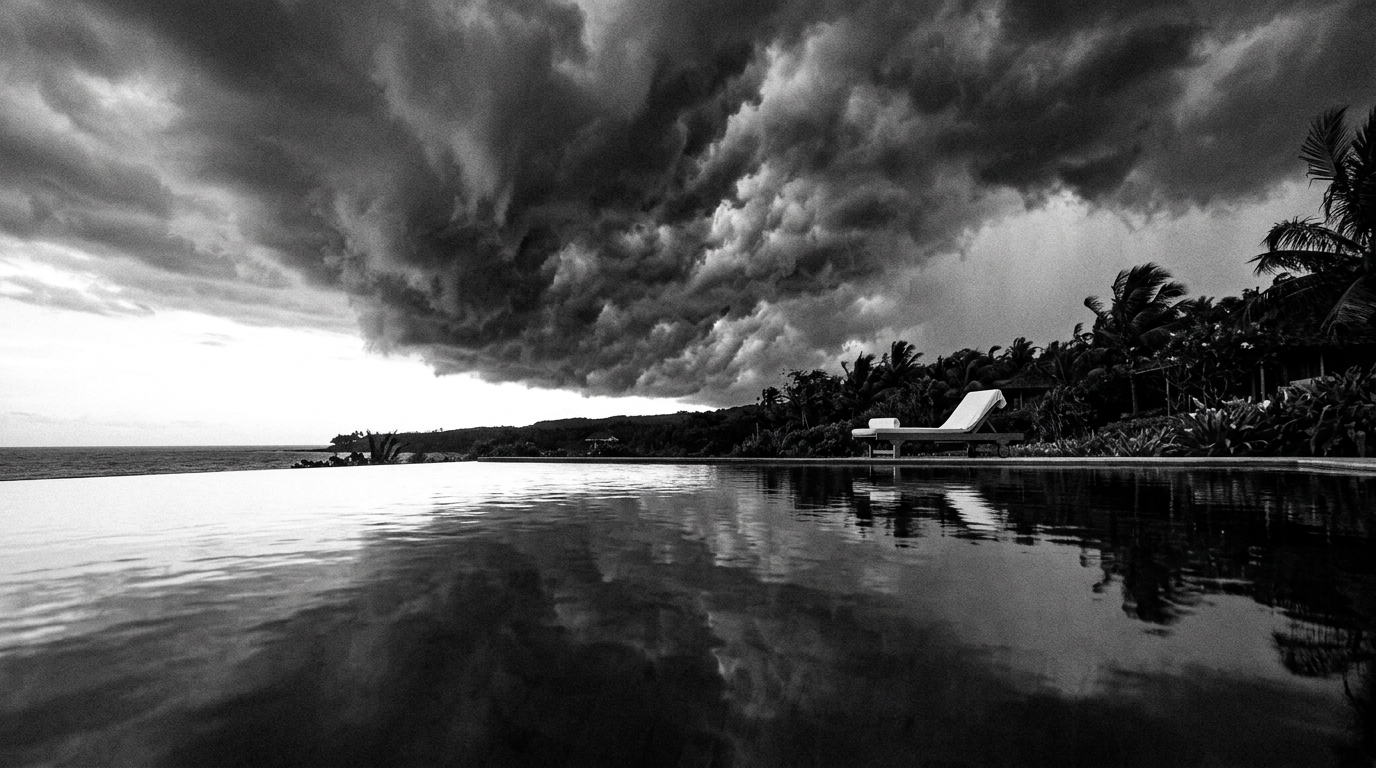
Let me tell you something about resort openings. They are the most seductive moment in the entire hotel lifecycle. Everything is perfect. The renderings match reality (for exactly this one moment). The soft-opening team is triple-staffed. The GM has been on property for months, hand-selecting every detail. The press release uses words like "curated" and "restorative" and "purposeful" and everyone nods along because the lobby smells like lemongrass and the infinity pool catches the sunset at exactly the right angle. I have been to more of these than I can count, and they are genuinely lovely... and they are also the single worst moment to evaluate whether a brand concept actually works. Because opening day is not the test. A random Tuesday in November with 40% occupancy, two call-outs in F&B, and a monsoon battering the western coastline... that's the test.
So let's talk about what Hilton is actually building here, because underneath the press release there's a real strategy worth examining. This is their second property in Langkawi (a Curio Collection resort was supposed to open in 2023, got pushed to 2027, which tells you something about the development timeline realities in this market). It's owned by Tradewinds Corporation Berhad, which is now on its fourth Hilton collaboration, and it's part of Hilton's stated goal to grow its luxury and lifestyle portfolio in Asia Pacific by 50%. The property itself is 251 keys with nearly 1,000 square meters of event space, multiple dining concepts spanning Asian, Italian, international, and Yunnan Chinese cuisines, an adults-only pool, a family pool, spa rock pools, a kids' club, cooking pavilions, tea pavilions... the amenity list reads like someone was playing brand-promise bingo and decided to check every box. And that's where my antenna goes up. Because the more promises you make, the more places the guest journey can leak. Every one of those amenities requires staffing, training, maintenance, and consistency. A cooking pavilion that operates three days a week because you can't staff it is worse than no cooking pavilion at all, because the guest saw it in the booking photos and now they're disappointed instead of neutral.
Here's the part the press release left out: Hilton is calling this a "restorative resort" designed for "slower, more purposeful travel." I actually love this positioning conceptually (finally, a brand trend that isn't about cramming more experiences into less time). But the Deliverable Test is brutal on this one. "Restorative" means the guest notices everything. A high-energy urban select-service can survive a slightly dirty hallway because the guest is there for six hours of sleep between meetings. A "restorative" resort guest is there to be present, to slow down, to notice the details. Which means they WILL notice when the spa rock pool isn't maintained. They WILL notice when the "curated dining experience" has a 45-minute wait because the kitchen is understaffed. They WILL notice when the "connection with nature" narrative breaks because the landscaping budget got trimmed in Q3. Restorative positioning is a beautiful promise and an unforgiving operational standard. You're essentially telling the guest: pay attention to everything we do. That's either brave or reckless depending on whether the property-level team can deliver it consistently, not just on opening week, but in month 14 when the excitement has worn off and the owner is asking about GOP margins.
The MICE play is interesting and honestly might be the smarter long-term revenue story here. Langkawi's development authority is targeting 3 million tourists and nearly RM6 billion in tourism revenue, with specific focus on meetings and incentive groups. A 400-square-meter ballroom on a UNESCO World Geopark island 20 minutes from an international airport... that's a real value proposition for regional corporate groups. But (and you knew there was a but) MICE revenue requires sales infrastructure, not just physical space. It requires a dedicated team working group bookings 6-12 months out, relationships with regional planners, and the operational flexibility to flip between leisure resort and conference property without the guest experience degrading in either mode. That's hard. I've watched properties with beautiful event space sit half-empty because the brand assumed "build it and they will come" applied to group business. It doesn't. Group business comes when someone picks up the phone and sells it, week after week, to the same planners who have 15 other options in Southeast Asia.
What I'm watching is whether this becomes a proof of concept for Hilton's luxury expansion in the region or a cautionary tale about amenity creep in a market where operational depth is still developing. Fifteen-plus luxury and lifestyle openings planned for 2026 across Asia Pacific is aggressive. The global resort market is projected to grow at nearly 20% CAGR through 2030, so the demand thesis makes sense. But demand doesn't deliver itself. People deliver it. And the distance between a brand executive in Singapore saying "restorative resort" and a front-of-house team in Langkawi making a guest feel restored... that distance is where brands succeed or fail. It's not measured in kilometers. It's measured in training hours, staffing ratios, and whether someone at the property level has the authority and the budget to actually deliver what headquarters promised.
Here's the thing about luxury resort expansion in secondary resort markets, and I don't care if it's Langkawi or Lake Tahoe... the brand promise always writes a check the property team has to cash. If you're an operator in a similar position (new flag, aspirational positioning, amenity-heavy concept), do this now: map every single guest-facing amenity against your realistic staffing model for your slowest month. Not peak season. Your worst month. If you can't staff the cooking pavilion, the tea pavilion, AND the four dining outlets simultaneously with the team you can actually recruit in that market, you need to have the conversation with your owner about which amenities run full-time and which are seasonal. Better to deliver four things brilliantly than seven things inconsistently. This is what I call the Brand Reality Gap... brands sell promises at scale, but properties deliver them shift by shift. The press release doesn't mention the shift-by-shift part. That's your job.