A Family Died in a Motel Fire at 1:30 AM. They Lived There.
A Gujarati family of three died trapped in their room at an Ohio Econo Lodge where they lived and worked. Before we talk about fire codes and brand standards, we need to talk about the people who sleep where they work... and what this industry owes them.
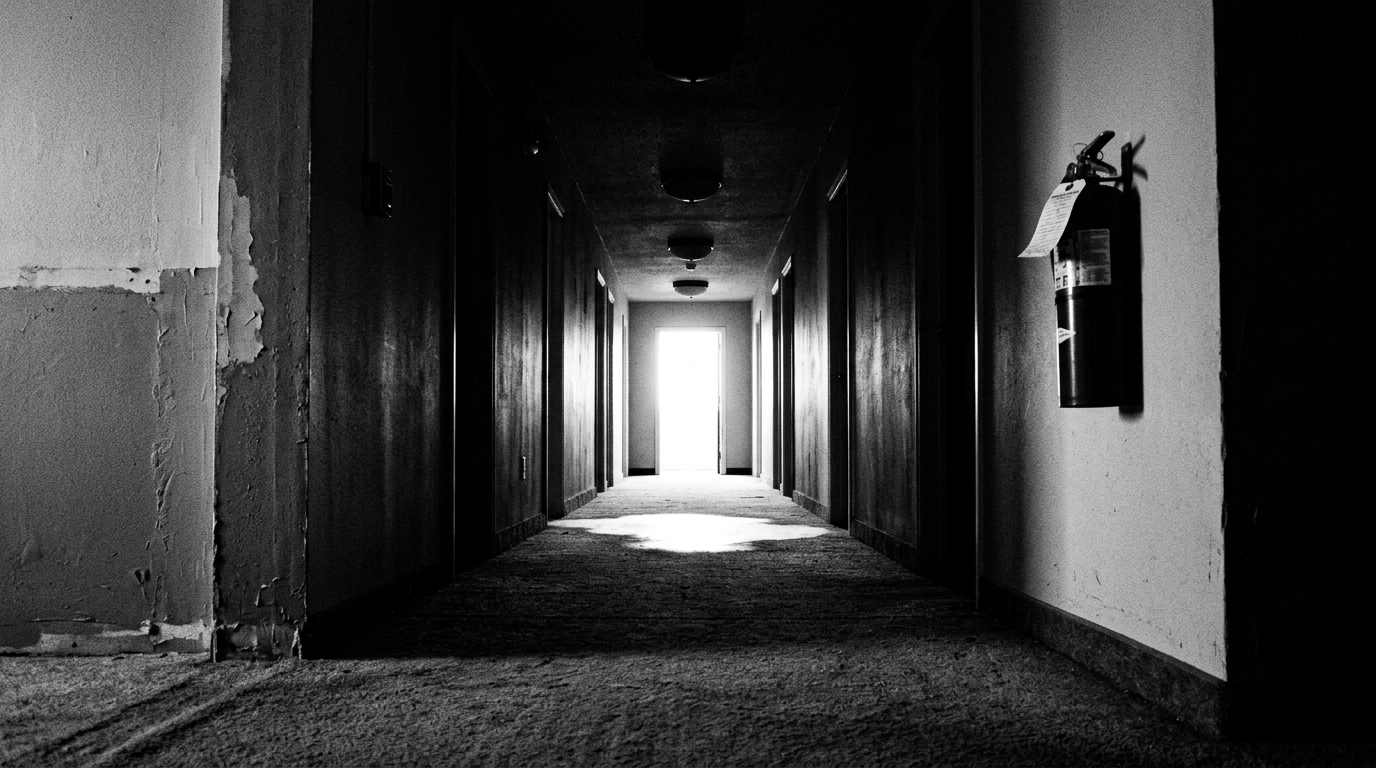
I need to say something before we get into any of this. Three people are dead. A husband, a wife, and their 20-year-old daughter. They weren't guests. They lived in that motel. Worked there. Built a life inside 90 keys of economy lodging in Wooster, Ohio. The fire broke out around 1:30 in the morning on July 2nd. They called the front desk for help. The front desk employee dialed 911. Seventy firefighters from 15 departments responded. It wasn't enough. The family died of suspected suffocation, trapped in the room where they slept every night.
I've been in this business 40 years. I've known families like the Suthars my entire career. Not this family specifically... but families exactly like them. The husband working the property. The wife working the hotel next door. The daughter working a fast food job while helping out wherever needed. They don't just run these motels. They ARE these motels. They live on-site because the economics demand it and because that's how independent and economy-tier hospitality has operated in this country for decades. Ownership groups, family pools, four or five families scraping together everything they have to buy a flag and a building and a chance. The person at the front desk at 2 AM isn't an employee clocking in. It's someone's mother, someone's father, someone's kid doing homework between check-ins. When we talk about "the hospitality industry," these families are the foundation nobody in the conference ballrooms talks about.
So let me ask the question that matters right now. What was the fire safety condition of that building? This was a detached rear section of a one-story motel. Were there working sprinklers? Were there functioning smoke detection systems in the corridors? Ohio fire code requires automatic smoke detection in interior corridors of unsprinklered Group R-1 properties. Did this building have them? Were they maintained? When was the last inspection, and what did it find? The investigation is ongoing... the State Fire Marshal's Office, the Wayne County Sheriff, and local fire officials are all involved, and they haven't ruled out foul play. I'm not going to speculate on cause. But I will say this: roughly 3,900 hotel and motel fires occur in the U.S. every year. Fires originating in bedrooms account for 72% of civilian deaths in those incidents. Those aren't abstractions. Those are people in rooms. People who trusted the building they were sleeping in.
This is a Choice Hotels franchise. An Econo Lodge flag. And I want to be careful here because franchise structures matter. Choice doesn't own or operate this property. A franchisee does. Choice provides the brand, the reservation system, the standards manual. But the physical building... the wiring, the fire suppression, the detection systems, the maintenance... that's on the owner-operator. That's always been the arrangement. And it's an arrangement that works fine when the owner-operator has the capital and the knowledge to maintain life-safety systems to code. It falls apart when they don't. Or when inspections are infrequent. Or when a building from the late '70s or early '80s has been patched and deferred and patched again because the margin on a $59 room doesn't leave a lot of room for a sprinkler retrofit.
I've managed properties where the fire panel was older than half my staff. I've walked buildings at 2 AM and checked extinguisher tags and tested emergency lighting because nobody else was going to do it. I once took over a property where the previous operator had let the fire suppression maintenance contract lapse for eight months to save $200 a month. Eight months. $1,600 in savings against the risk of everything. That's what economy-tier ownership looks like sometimes when the money gets tight... you start making choices that feel rational on the P&L and are catastrophic in reality. This is what I call the CapEx Cliff... deferred maintenance crosses from savings to asset destruction before the owner sees it. Except in this case, it didn't destroy an asset. It may have killed a family. And the distance between "deferred maintenance" and "someone dies" is shorter than anyone in a boardroom wants to admit.
I don't care what tier you operate. Economy, select-service, full-service... walk your building tonight. Not next week. Tonight. Check your fire panel. Check your extinguisher tags. Check your emergency egress lighting. Pull your last fire suppression inspection report and confirm every item was cleared. If you have staff or ownership family members living on-site (and in economy-tier properties, many of you do), verify that their rooms have working smoke detectors, a clear egress path, and a documented emergency protocol that doesn't rely on someone calling the front desk and hoping for the best. If your fire suppression maintenance contract has lapsed or been "deferred" to save money, reinstate it Monday morning. The cost of a sprinkler inspection is not a line item to negotiate. It's the cost of keeping people alive. Three people died in Ohio this week. Make sure your building isn't next.