A Five-Year-Old Drowned at a Davenport Airbnb. That Pool Had No Lifeguard, No Inspector, and No Accountability.
Two children have drowned in Osceola County short-term rental pools in six weeks. The technology exists to prevent this, but nobody in the STR supply chain is required to deploy it, and that gap between what's possible and what's mandated is where kids die.
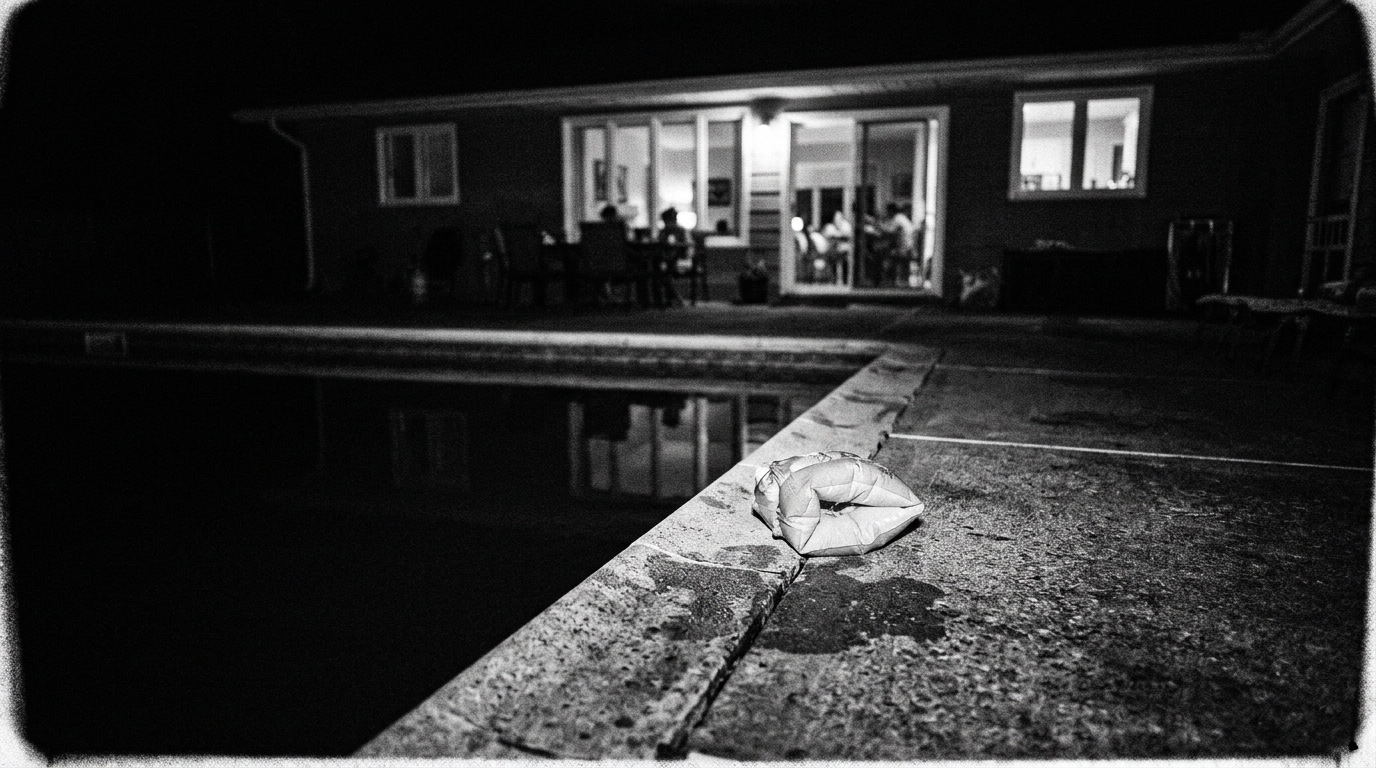
I need to say something before I get into the technology angle here, because this is a five-year-old who's dead. A family drove over from Brevard County to stay at a vacation rental with extended family, and now they're planning a funeral instead of uploading pool photos. That's the story. Everything I'm about to say about systems and sensors and regulation comes after that fact, not instead of it.
So here's what bothers me as someone who thinks about hotel technology for a living. We have pool alarm systems that cost $200. We have gate sensors that push alerts to a property manager's phone for under $500. We have camera-based drowning detection... real drowning detection, not "AI-powered" marketing nonsense... that can identify a submerged body and trigger an alarm within 15 seconds. I've evaluated three of these products in the last year alone. They work. They're not even expensive. A property grossing $60,000-$80,000 a year in rental income on a pool home near Disney can absolutely absorb a $1,500 safety tech package. That's less than 2.5% of gross revenue across that range. But here's the thing... nobody has to install any of it. Osceola County updated its STR requirements in 2024 with "enhanced safety standards," which sounds great until you read what that actually means. Fire safety equipment. Emergency protocols. Basic stuff. Nothing requiring pool-specific monitoring technology. Nothing requiring four-sided isolation fencing (which Airbnb itself recommends in its host safety guidelines but doesn't mandate). The platform recommends. The county licenses. The owner decides. And a five-year-old is dead. This is the second drowning in an Osceola County rental pool in six weeks... five-year-old twins drowned at another STR in June.
Look, I'm not anti-STR. My family runs an independent hotel. I understand the competitive landscape. But I am deeply uncomfortable with the technology gap between what branded hotels are required to maintain and what a vacation rental pool house is required to maintain. A hotel pool has depth markers, drain covers compliant with federal safety law, posted rules, regular inspections, and in many jurisdictions required fencing or barriers. A vacation rental pool in the same county, generating the same tourism tax revenue (Florida's 6% sales tax plus the 6% Tourist Development Tax plus county surtax), operating as a de facto commercial lodging enterprise... has whatever the owner felt like installing. The technology isn't the problem. The deployment mandate is the problem. And until someone in the regulatory chain decides that a property renting commercially should meet commercial safety standards, we're going to keep reading these stories.
I talked to a property manager last month who runs about 40 STR units in Central Florida. He told me he voluntarily installed pool alarms on every property after a near-miss incident two years ago. Cost him about $8,000 across the portfolio. He said the hardest part wasn't the money... it was that none of his competitors had to do it, so it felt like a tax on doing the right thing. That's the structural problem in one conversation. When safety technology adoption is voluntary in a fragmented, low-margin, high-competition market, the operators who invest in it are punished economically relative to the ones who don't. The only fix is making it non-voluntary.
The platforms know this. Airbnb publishes detailed pool safety recommendations. Vrbo has similar guidelines. They're well-written. They're also unenforceable. A recommendation without a consequence is a suggestion, and suggestions don't save lives. The technology to make vacation rental pools meaningfully safer exists today, it's affordable today, and nobody with the authority to mandate it is doing so. Two dead children in six weeks in one Florida county. At some point "we recommend hosts consider pool safety measures" stops being a policy and starts being a liability.
Let me be direct. If you're an independent hotel operator competing against STR inventory in a leisure market... especially in Florida, especially near the parks... this story is your competitive reality. You already carry the cost of pool safety compliance, inspections, insurance, and staffing. The STR down the street does not. That's not a level playing field, and it never has been. But here's what you can do right now: make your safety infrastructure visible. Put it on your website. Put it in your booking confirmation. "Inspected pool. Certified safety equipment. 24-hour staff on property." That's not marketing fluff... that's a real differentiator when a family with small children is choosing between your property and a pool house with a lockbox and no one within 20 miles. You're already paying for the safety. Start selling it.