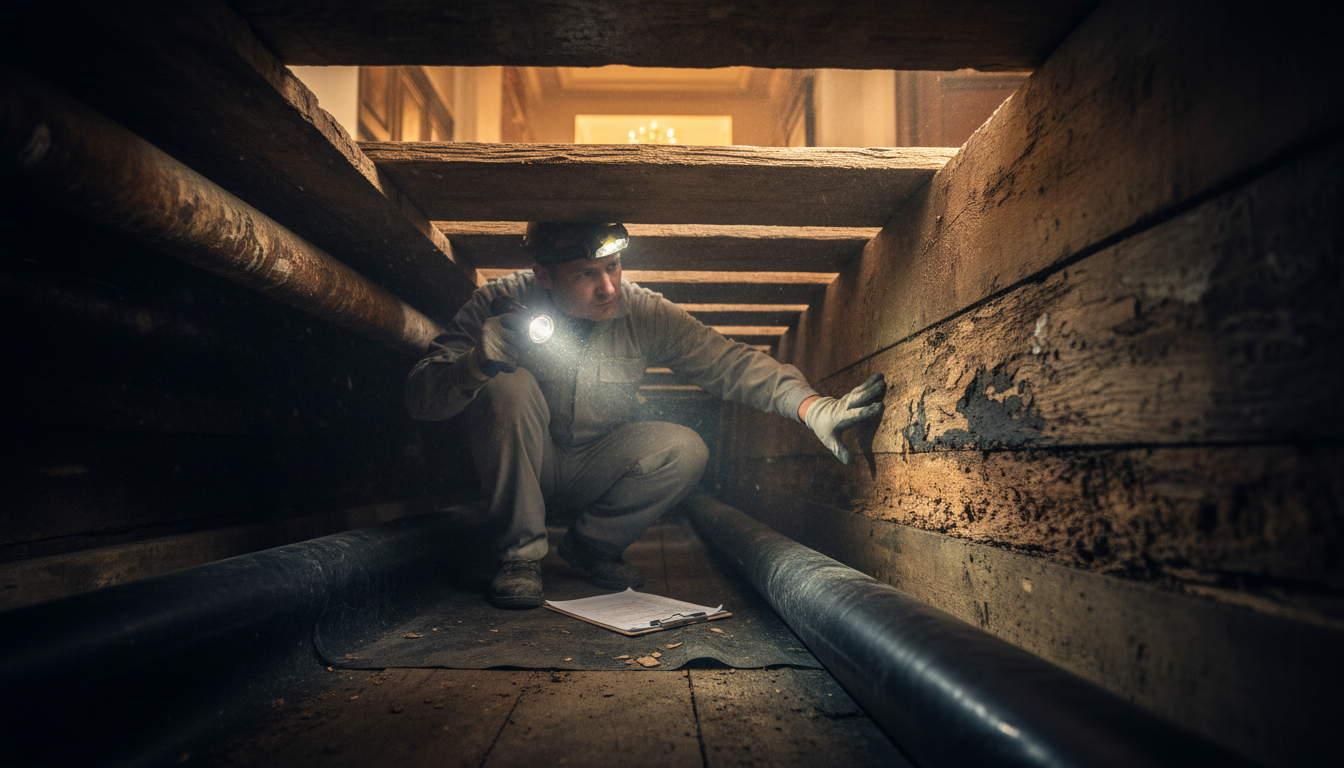
Wood rot prevention represents a critical maintenance concern for hotel properties, particularly those with historic structures, wooden frameworks, or moisture-prone areas. The condition develops when fungi decompose wood material in the presence of moisture, potentially compromising structural integrity and creating safety hazards. For hotel operators, wood rot issues often remain undetected until significant damage occurs, resulting in costly repairs and potential operational disruptions.
Hotel owners and facility managers must implement proactive prevention strategies including moisture control, proper ventilation, regular inspections, and protective treatments. The financial implications extend beyond repair costs to include potential liability exposure and guest safety concerns. Properties with aging infrastructure or those located in humid climates face elevated risk levels. Early detection through systematic inspection protocols can substantially reduce remediation expenses compared to addressing advanced deterioration.
Understanding wood rot prevention is particularly relevant for historic properties and boutique hotels where original wooden elements contribute to property value and guest experience. Preventive maintenance programs that address underlying moisture issues prove more cost-effective than reactive repairs that address structural damage after rot has progressed.
A construction expert in North Carolina is calling out the most common—and expensive—mistake property owners make when dealing with floor issues. And it's costing you way more than the repair.
📡
Get the Briefing Every Morning at 6AM
Join hotel operators, owners, and investors who start their day with InnBrief.
Free forever. Unsubscribe anytime. No spam — just signal.
The InnBrief Daily
92% open rate — operators read this.
Hotel industry intelligence in your inbox every morning at 6AM. No fluff.