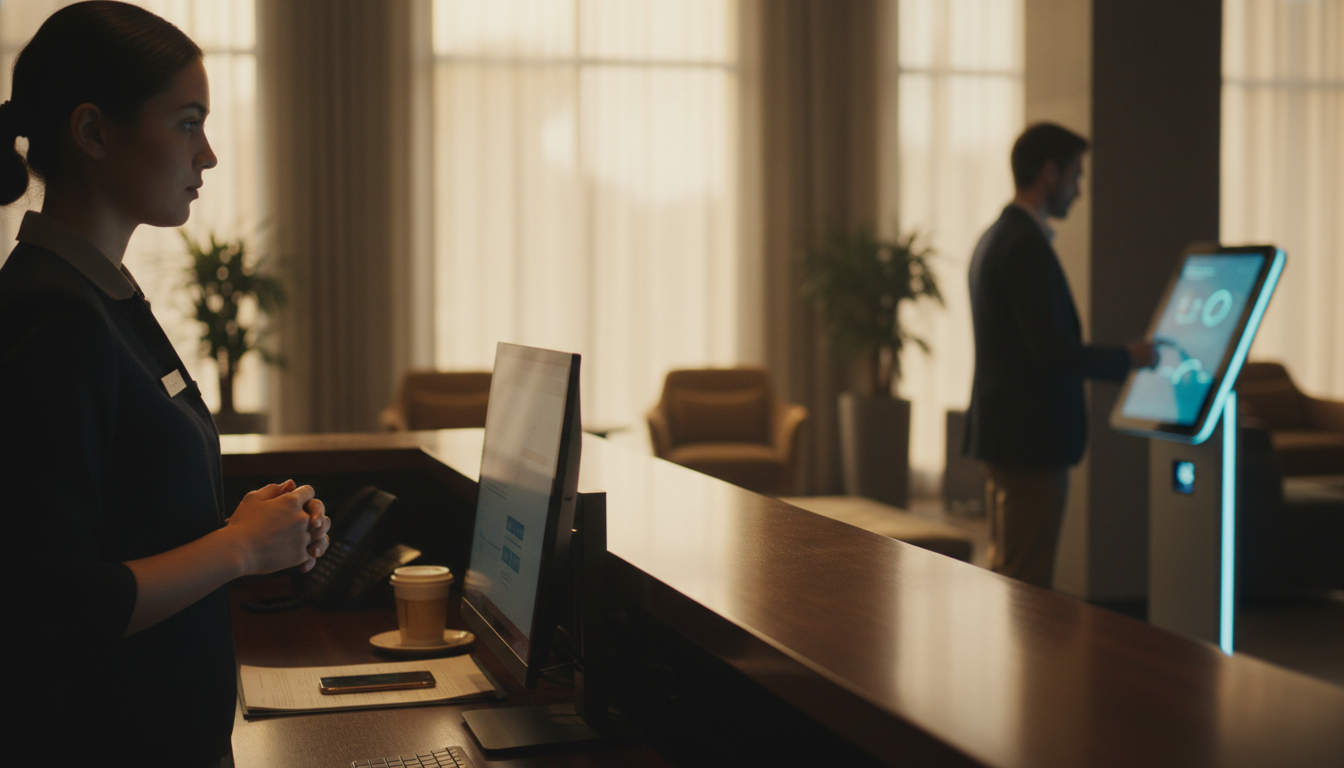
Multilingual Guest Communications refers to the systems, processes, and technologies hotels use to interact with guests in multiple languages. This capability spans front desk operations, customer service channels, signage, digital platforms, and guest-facing documentation. As international travel and diverse guest populations become standard in hospitality, the ability to communicate effectively across language barriers directly impacts guest satisfaction, operational efficiency, and revenue management.
The topic has gained prominence in discussions about artificial intelligence adoption in hotels. AI-powered translation and multilingual chatbots are reshaping how properties handle guest inquiries, check-ins, and service requests without requiring multilingual staff. However, implementation quality varies significantly, and poorly executed systems can create guest experience problems that undermine operational credibility.
For hotel operators, multilingual communications represents both a competitive necessity and a staffing challenge. Properties must balance technology investments against hiring multilingual personnel, with implications for labor costs, service quality consistency, and guest retention across different markets.
Hotels are about to spend millions on AI that can chat in 47 languages and predict guest preferences. The uncomfortable truth? It's going to expose every mediocre employee you've been making excuses for.
📡
Get the Briefing Every Morning at 6AM
Join hotel operators, owners, and investors who start their day with InnBrief.
Free forever. Unsubscribe anytime. No spam — just signal.
The InnBrief Daily
92% open rate — operators read this.
Hotel industry intelligence in your inbox every morning at 6AM. No fluff.