3 stories·First covered Feb 19, 2026·Latest Mar 17
Market saturation refers to a condition where the supply of hotel rooms in a given market reaches or exceeds demand, resulting in increased competition, pricing pressure, and reduced profitability for operators. This phenomenon occurs when new hotel development outpaces demand growth, forcing properties to compete more aggressively on rate and occupancy. Market saturation directly impacts franchise viability, as brands must balance expansion goals with the risk of cannibalizing existing franchisee revenues.
In the hotel industry, saturation presents a critical challenge for both franchisors and franchisees. Major chains like Marriott and Choice Hotels navigate saturation through portfolio diversification and flag proliferation, launching multiple brands targeting different segments within the same markets. This strategy allows brands to capture additional market share while potentially fragmenting demand among their own properties. Franchisees face particular pressure in saturated markets, where unit economics deteriorate and return on investment becomes harder to achieve.
Understanding market saturation is essential for franchise agreement negotiations, development planning, and capital allocation decisions. Operators must assess local market conditions before committing to new builds or conversions, while investors evaluate saturation levels when determining asset values and growth potential.
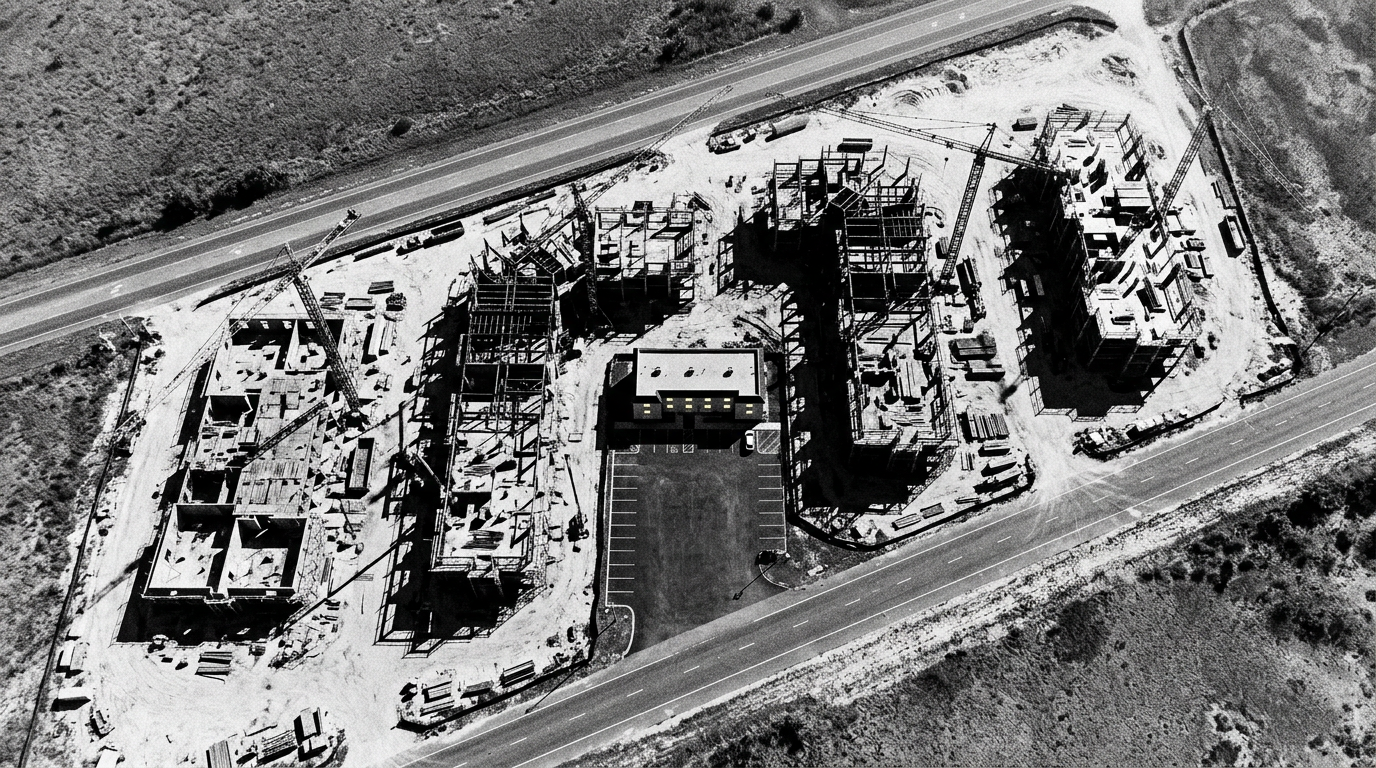
Marriott, Hyatt, and Drury are all racing into the same stretch of Daytona Beach, and everyone's calling it a boom. But when you layer four new hotels onto a market where tourism tax collections dropped 13.6% last summer, somebody's math is wrong... and it's probably not the brands'.