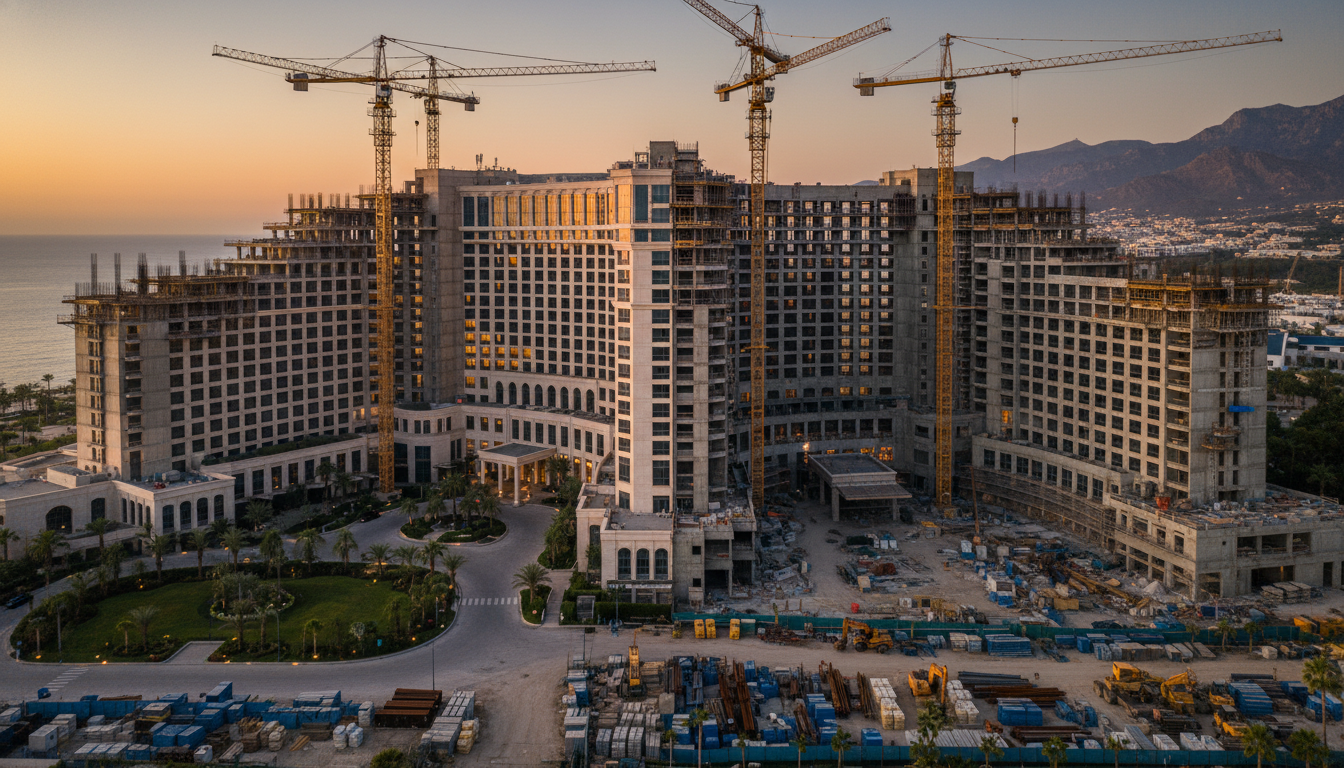
The $2 Billion Renovation That Nobody Wanted
China just proved what every hotel operator knows but won't say out loud — sometimes the property is too iconic to touch, too expensive to hold, and too political to profit from.
Iconic Property Investment Risk refers to the financial and operational challenges associated with large-scale renovation and repositioning projects at landmark or historically significant hotel properties. These investments typically involve substantial capital commitments, often exceeding $1 billion, aimed at modernizing aging assets while preserving their iconic status and market positioning.
The core risk factors include cost overruns, extended project timelines, market demand uncertainty, and the difficulty of balancing preservation requirements with contemporary guest expectations. Iconic properties often face constraints from historical designations, architectural considerations, and brand standards that complicate renovation scope and budgeting. Additionally, extended closures or phased reopenings during construction can result in significant revenue loss and competitive disadvantage.
For hotel operators and investors, iconic property investments require careful feasibility analysis, realistic financial modeling, and clear return-on-investment projections. Market conditions, financing availability, and post-renovation demand forecasting are critical variables that determine project viability. Properties that miscalculate renovation needs or market appetite face prolonged value destruction and capital inefficiency.
China just proved what every hotel operator knows but won't say out loud — sometimes the property is too iconic to touch, too expensive to hold, and too political to profit from.