They Blew Up a 326-Room Luxury Hotel. And Built Something With Fewer Rooms.
Swire Properties imploded the 26-year-old Mandarin Oriental Miami on Sunday to replace it with a $1 billion development featuring just 121 hotel rooms... plus 228 residences priced up to $100 million each. The hotel business was never the point.
I watched a guy tear down a perfectly good Holiday Inn once. Mid-90s, secondary market, the building was maybe 20 years old. Ownership group looked at the land value, looked at the room revenue, looked at the trajectory of both lines, and said "the dirt is worth more than the business." Everybody thought they were crazy. They weren't. They understood something most hotel operators never want to admit... sometimes the highest and best use of a hotel site isn't a hotel.
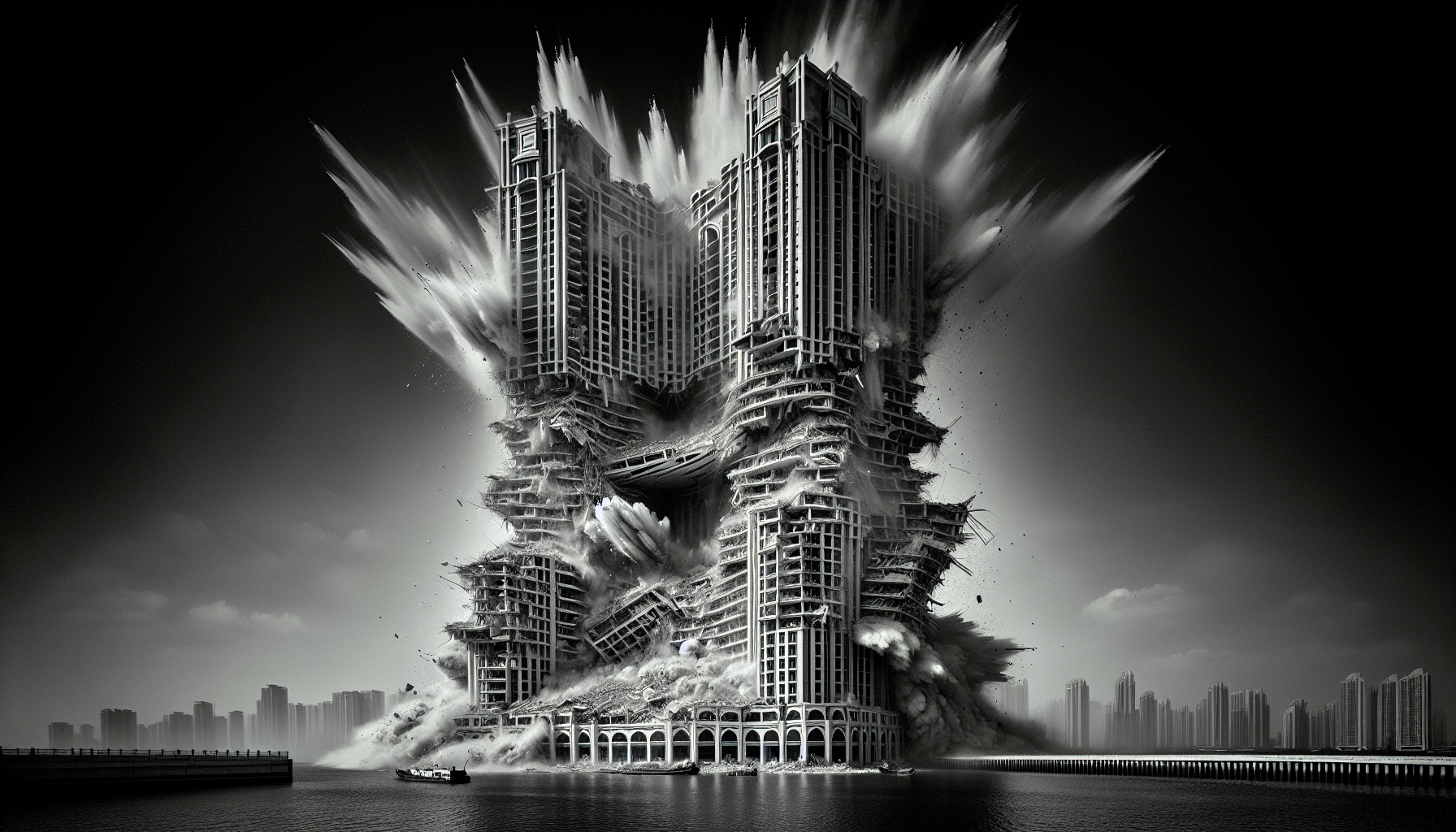
Sunday morning in Miami, Swire Properties turned a 326-room Mandarin Oriental into a pile of rubble in less than 20 seconds. Controlled implosion. The building opened in 2000. Twenty-six years old. By hotel lifecycle standards, that's middle age... not end of life. You don't blow up a 26-year-old luxury hotel on Brickell Key because the building is failing. You blow it up because the math changed.
And the math here tells you everything. The replacement project is $1 billion. Two towers. The hotel component drops from 326 keys to 121. Read that again. They're spending a billion dollars to build FEWER hotel rooms. The other tower? Sixty-six stories of branded residences, 228 units, $4.9 million to $100 million each. Fifty percent of the south tower was pre-sold by mid-2025. The hotel isn't the revenue engine anymore. It's the amenity package that justifies $100 million penthouses. The Mandarin Oriental flag isn't selling room nights... it's selling a lifestyle wrapper around real estate.
This is the luxury hotel model now, and if you're paying attention, you've been watching it evolve for a decade. The hotel becomes the brand anchor for a residential play where the real money lives. Think about what Swire's VP of construction reportedly said... rates at the old hotel weren't trending upward. A 326-key luxury hotel on one of Miami's most exclusive islands, and it couldn't push rate. So they didn't try harder. They changed the entire business model. The 121 remaining hotel rooms will exist to service the brand standard, maintain the flag, and provide the infrastructure (restaurants, spa, pool, concierge) that makes someone write a $50 million check for a condo. That's not a hotel development. That's a branded residential development with a hotel component.
Here's what keeps me up about this trend. Those hundreds of hotel employees who lost their jobs when the old property closed about a year ago? The new development opens in 2030, four years from now, with roughly a third of the hotel rooms. Do the math on the staffing. Even at luxury service ratios, 121 keys doesn't employ what 326 keys employed. The residential component creates some positions, sure. But if you worked at that hotel... if you were a housekeeper, a front desk agent, a banquet server who built a career there over two decades... the building that replaces your workplace was never designed to bring you back. It was designed to sell condos to people who want the Mandarin Oriental logo on their mailbox. The economics are rational. Swire isn't wrong. But rational and painless aren't the same thing, and nobody's putting that in the press release.
If you're running a luxury or upper-upscale hotel on land that's appreciated significantly since your property was built, pay attention to what just happened in Miami... because your owner already is. Swire didn't demolish a failing hotel. They demolished one that couldn't push rate in a market where the land value outran the operating income. That gap between what your dirt is worth and what your rooms generate is the number that determines whether you're operating a hotel or sitting on a future development site. If you're a GM at a high-value urban luxury property, the smartest thing you can do right now is understand your owner's basis, your land value trajectory, and whether the long-term plan includes you running a hotel or someone else selling condos. Don't wait for that conversation to come to you. Have it ready. Know where you stand.