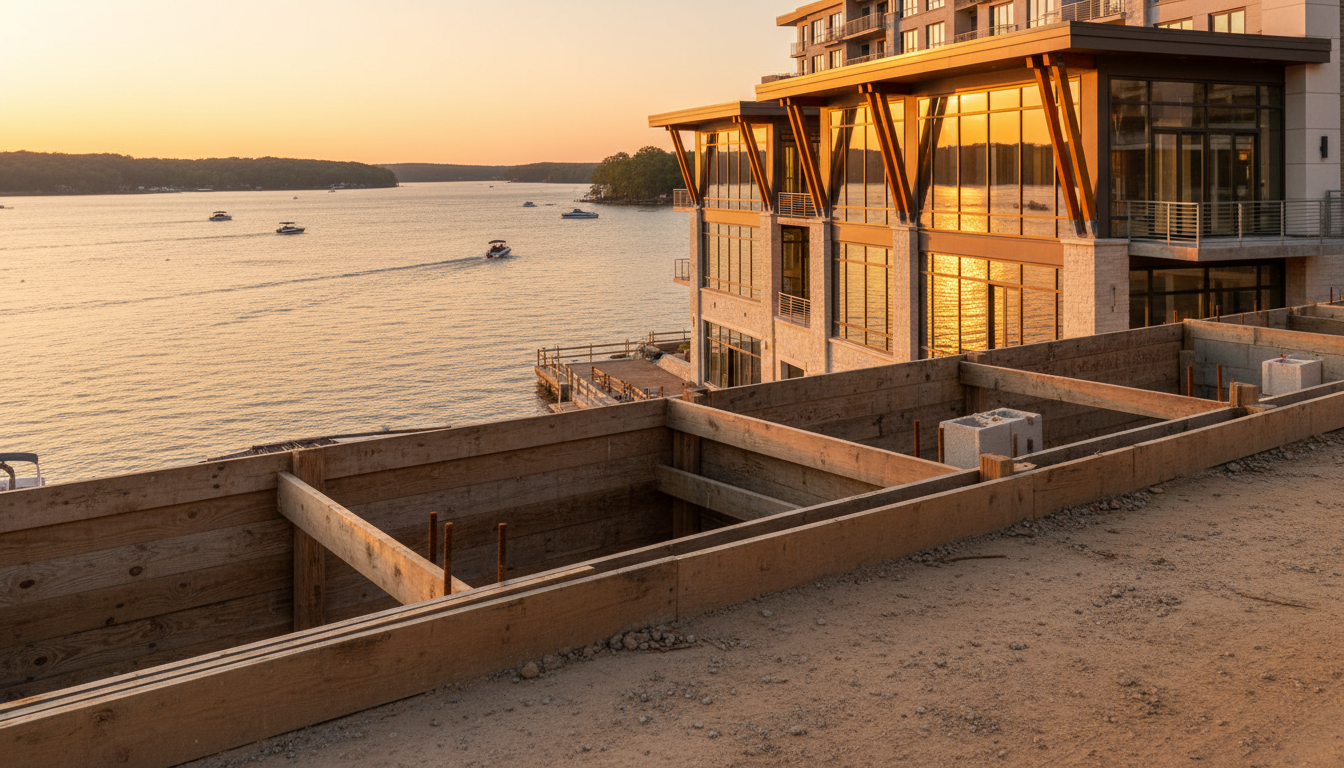
Environmental Permitting refers to the regulatory approval processes required before hotels can develop, expand, or operate facilities, particularly those affecting sensitive areas such as waterfront properties, wetlands, or protected ecosystems. These permits ensure compliance with federal, state, and local environmental regulations and can significantly impact project timelines and costs.
For hotel operators and developers, environmental permitting represents a critical pathway to project execution. Waterfront and resort properties face particularly stringent permitting requirements due to water quality, wildlife habitat, and shoreline protection concerns. The permitting process can extend project schedules by months or years and require substantial capital allocation for environmental assessments, mitigation measures, and ongoing compliance monitoring.
Understanding environmental permitting requirements early in the development phase allows hotel companies to accurately forecast project costs and timelines. Properties in environmentally sensitive locations must factor permit acquisition into their feasibility analysis and budget planning. Successful navigation of these regulatory frameworks has become a competitive advantage for developers seeking to unlock value in premium waterfront and resort markets.
A proposed luxury resort on Lake Lanier just got planning staff blessing. Here's why waterfront hospitality remains one of the safest bets in development — and what it means for operators fighting for leisure share.
📡
Get the Briefing Every Morning at 6AM
Join hotel operators, owners, and investors who start their day with InnBrief.
Free forever. Unsubscribe anytime. No spam — just signal.
The InnBrief Daily
92% open rate — operators read this.
Hotel industry intelligence in your inbox every morning at 6AM. No fluff.