Two Downtown Austin Hotels Hit the Courthouse Steps. The Convention Center Isn't Coming Back Until 2029.
A 246-key Hyatt Centric appraised at $56M against an $85M loan and a 428-key lifestyle hotel carrying $172M in JP Morgan debt both faced foreclosure Tuesday in Austin. When your city demolishes the demand generator that justifies your basis, the math doesn't wait for the rebuild.
I worked with a GM once who took over a downtown property right after the city announced a major infrastructure project two blocks away. Road closures, dust, noise, eighteen months of construction chaos. Corporate told him to hold rate and "market through it." His RevPAR dropped 22% in six months. He told me later, "They acted like the jackhammers were my problem to solve."
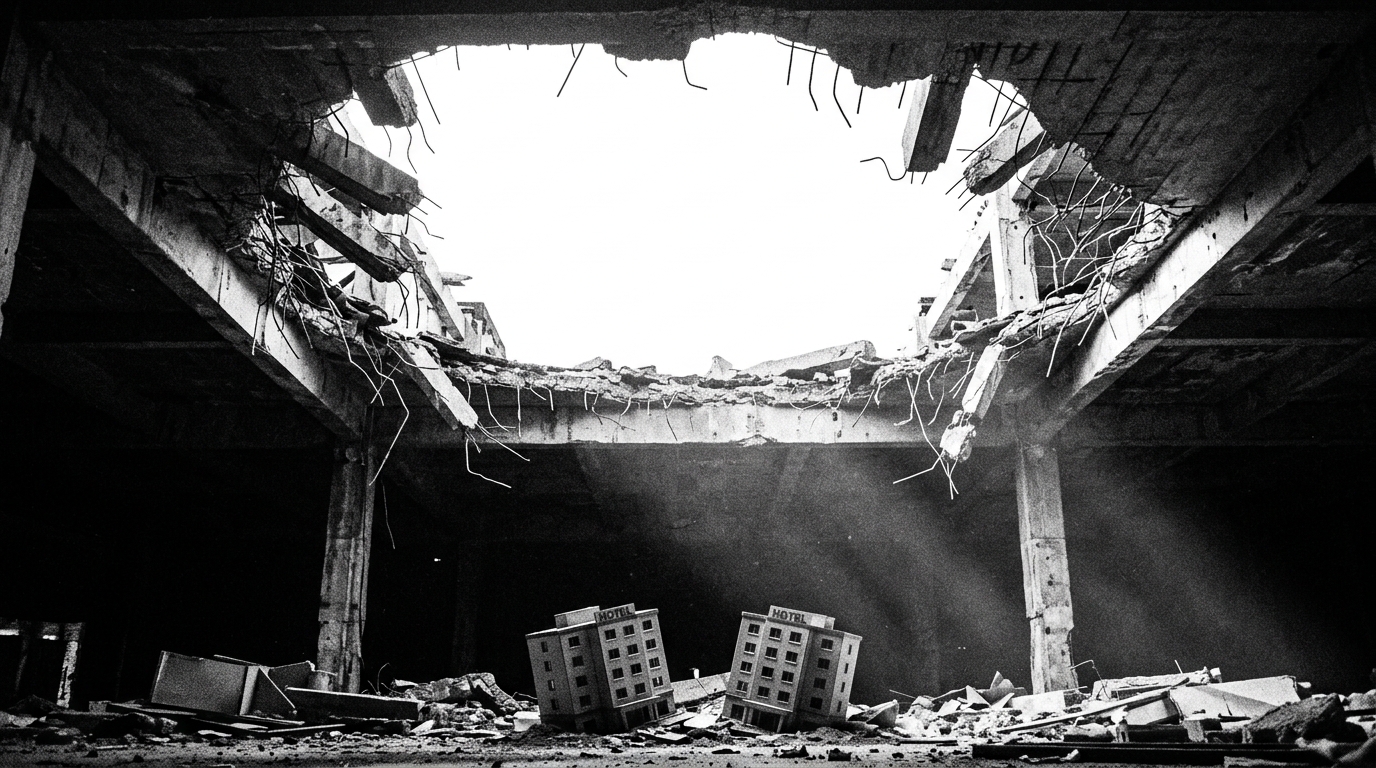
That's Austin right now. Except the project isn't two blocks away... it's the convention center itself. Demolished last year. Not reopening until 2029. And two prominent downtown hotels just paid the price for being financed as if that demand generator would always be there.
The Hyatt Centric on Congress Avenue... 246 keys, opened in 2023, carrying nearly $85 million in debt against an appraised value of $56.2 million. That's $228,500 per key on a property that owes roughly $345,000 per key. The Line Austin, 428 keys on Cesar Chavez, sitting under $172 million in JP Morgan debt... about $402,000 per room on a property appraised at just under $169 million. Both hit the Travis County Courthouse steps on Tuesday. The Hyatt Centric's ownership group, an entity tied to Denver-based Realberry, called foreclosure "the most prudent path forward." When an owner uses that phrase, what they're really saying is: we've exhausted every other option and this is what's left.
Look... downtown Austin hotels have been bleeding. Market data through late 2025 showed ADR and RevPAR both down roughly 5% year-over-year, with trailing twelve-month RevPAR off 6%. Double-digit revenue drops for properties that depended on convention traffic. And here's the part that should keep every downtown hotel operator in America awake: Austin still has 695 rooms under construction and another 1,818 planned or proposed. New supply is coming into a market where existing hotels can't cover their debt service. The lenders have clearly decided that "extend and pretend" is over. Texas commercial real estate foreclosures topped a billion dollars in both May and June. This isn't an Austin story. It's a lending environment story that Austin is telling first.
The Line situation is particularly instructive. Other Line properties in LA and DC have already gone through similar distress. Soho House, the parent company of the brand, went private in February in a $2.7 billion deal after years of failing to post consistent profits. When the brand itself is restructuring, the individual properties carrying brand-era debt are the most exposed assets in the portfolio. A recent downtown Austin foreclosure auction saw a property sell for roughly half its appraised value. If that discount holds for these two hotels, someone is about to pick up 674 keys of downtown Austin real estate at a basis that the current owners would have killed for... and the current lenders are going to eat tens of millions in losses. The buyers are betting on 2029. The sellers couldn't afford to wait.
If you're operating a downtown hotel in any market where a major demand generator is temporarily offline (convention center renovation, arena closure, airport terminal construction), here's what this should tell you: your lender's patience has an expiration date, and it's shorter than you think. This is what I call the CapEx Cliff, except it's not your deferred maintenance that crossed the line... it's your city's. The demand destruction happened on someone else's timeline and your balance sheet absorbed it. Talk to your ownership group this week about stress-testing your debt covenants against a sustained 15-20% RevPAR decline. Not because you're panicking... because the GM who walks in with that analysis and a plan looks like they're running the business. The one who waits for the lender to call looks like they're along for the ride. And if you're sitting on pre-2023 debt in a softening market, get your broker on the phone and find out what your property is actually worth today. Not what you paid. Not what you owe. What it's worth. That number is the only one that matters right now.