4,000 People Just Descended on a Single Hotel for Two Days. Here's What That Means for Your F&B.
The Boston Wine Expo packed 4,000 attendees and 100 wineries into the Boston Park Plaza over a single weekend. The real story isn't the wine... it's whether your property is capturing the economics of the large-format events happening in your backyard, or just absorbing the wear and tear.
I worked with a GM years ago who hated special events. Hated them. Every time the sales team booked a large group activation... wine festivals, corporate expos, charity galas... he'd start calculating the damage. Carpet cleaning. Overtime for security. Extra housekeeping passes on public restrooms. Elevator wear. He had a whole spreadsheet. Called it his "fun tax."
He wasn't wrong about the costs. But he was completely wrong about the opportunity.
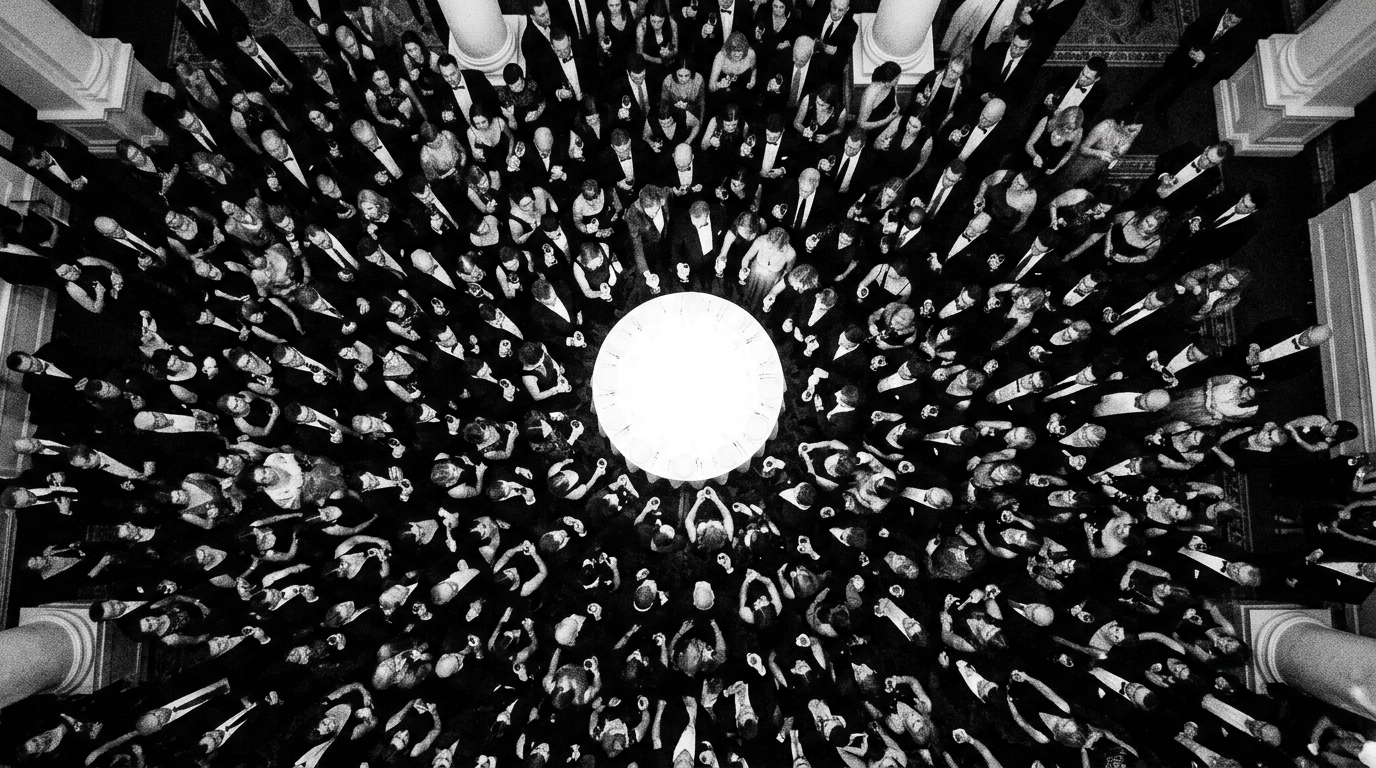
The Boston Wine Expo just pushed 4,000 people through the Park Plaza over two days earlier this month... more than 100 wineries pouring, tasting sessions priced at $89-$93 a head, plus VIP packages and educational seminars. That's a controlled flood of high-spending consumers into one building on a weekend in early March. For Boston hotels, March is shoulder season. Occupancy is soft. Rate is vulnerable. And here's an event delivering thousands of warm bodies who are already in a spending mood (nobody goes to a wine expo to save money). The question isn't whether this kind of event is good for the host property. Obviously it is. The question is what the properties within a three-mile radius are doing about it.
Here's what I mean. Those 4,000 attendees aren't all sleeping at the Park Plaza. They're booking hotels across Back Bay, the South End, Downtown Crossing. They're eating dinner before the event, grabbing drinks after, extending to a full weekend because they're already in the city. If you're running a 150-key select-service within walking distance, did you even know this event was happening? Did your revenue manager adjust rate strategy for the weekend? Did your F&B team (if you have one) do anything to capture pre- or post-event traffic? Did your front desk know enough to recommend local restaurants to attendees who asked? This is the stuff that separates properties that benefit from demand generators and properties that just happen to be nearby when demand shows up.
The larger point here goes well beyond one wine expo. Every market has these... regional events, festivals, conventions that inject 2,000-10,000 visitors into a three-mile radius for 48-72 hours. The smart operators I've known over the years treat these like revenue events, not inconveniences. They build a local event calendar at the start of each year. They brief their teams. They coordinate rate and inventory strategy around the demand spikes. They train their front desk staff to be knowledgeable about what's happening in the neighborhood because the guest who feels like your hotel is plugged into the city comes back. The guest who gets a shrug and a "I think there's something going on at the convention center" does not.
And if you're the property actually hosting one of these events... the math gets more interesting and more dangerous at the same time. Ticket revenue of $89-$93 per session across 4,000 attendees is real money flowing through your building. But so is the incremental cost. Banquet labor. Setup and teardown. The wear on your public spaces. Insurance riders. The opportunity cost of rooms or function space you could have sold to another group. I've seen properties take on big activations because the top-line number looked great and then realize the flow-through was thin once they accounted for everything. You have to run the real P&L on these, not the vanity version.
If you're a GM or DOS at any property within two miles of a major event venue, here's your homework this week: build a rolling 12-month local event calendar. Not just the big conventions... the wine expos, the food festivals, the charity runs, the college reunions, the concerts. Every event that puts 1,000+ people in your radius. Share it with your revenue manager and your front desk team. For each event, answer three questions: Are we adjusting rate? Are we adjusting staffing? Does our front-line team know enough about this event to have an intelligent conversation with a guest? This is what I call the Three-Mile Radius at work... your revenue ceiling isn't set by your room count, it's set by what's happening in the neighborhood around you. The operators who treat these demand events as their own revenue events will outperform the ones who just watch the bodies walk past their lobby.