Wyndham Bet on Guwahati. The Real Question Is Whether Upscale Sticks in a Market That Barely Has It.
Wyndham just signed a 190-room upscale hotel in one of India's fastest-growing tourism cities, and the brand positioning tells you more about where the company thinks it's headed than any earnings call. The question nobody's asking is whether the delivery infrastructure exists to match the promise.
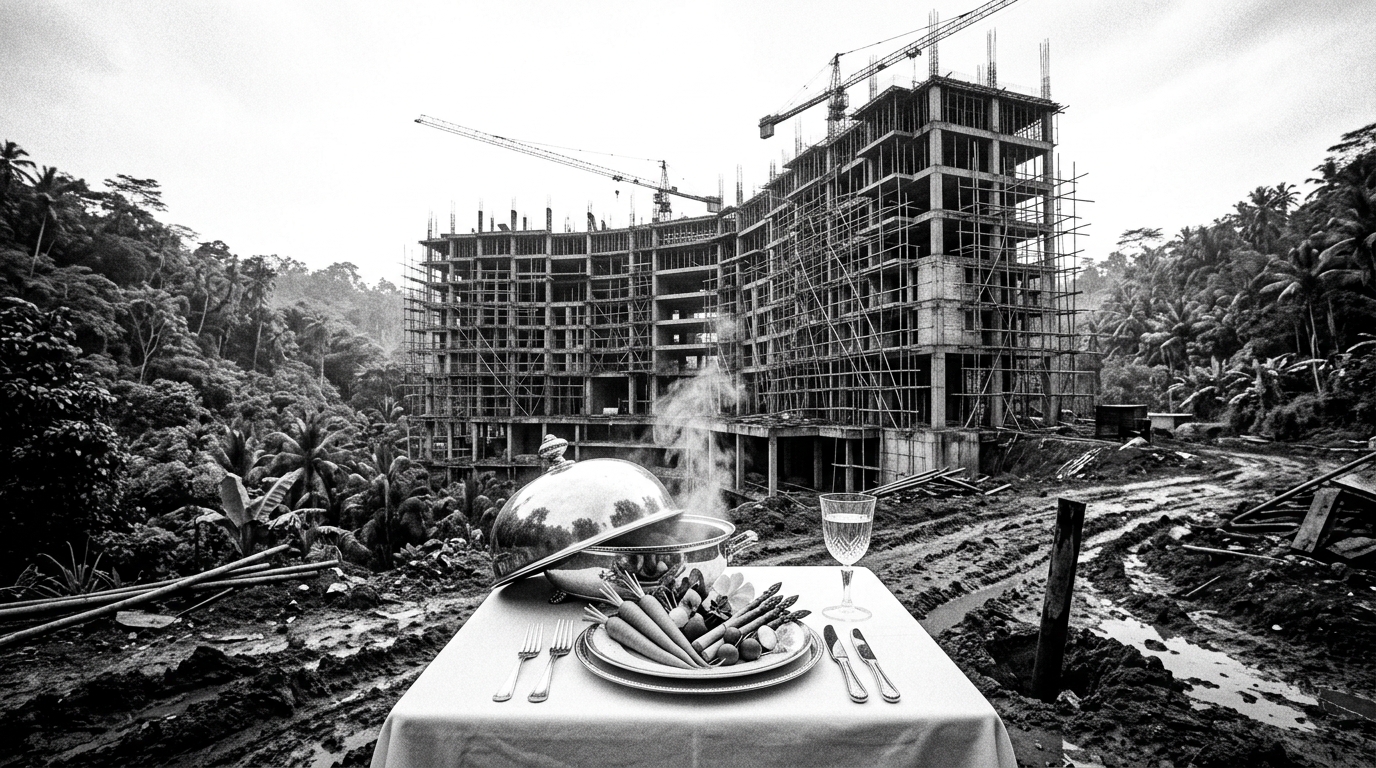
Let me tell you what caught my eye about this deal, and it wasn't the room count. Wyndham is planting an upscale flag in Guwahati, a city in northeast India that Agoda ranked as the country's fastest-growing tourist destination last year, and they're doing it as a pure-vegetarian, full-service, banquet-heavy, 190-key property opening in late 2028. That's not a cookie-cutter franchise play. That's a positioning statement. And it's a fascinating one, because Wyndham has spent decades being the company you associate with midscale and economy... the La Quintas, the Super 8s, the Ramadas of the world. Planting an upscale flag in an emerging Indian market where Marriott and Taj are also circling? That's Wyndham saying out loud what they've been whispering for a while: we want to play in a different sandbox.
Here's where my brand brain starts asking uncomfortable questions. Wyndham's pipeline in India is reportedly north of 50 hotels, with ambitions to hit 150 operational properties in the coming years. They're targeting Tier 2 and Tier 3 cities with a franchise-led model, which makes total sense from a capital perspective (asset-light, rapid growth, let the local partner carry the risk). But franchise-led upscale is a very specific needle to thread. The local owner, Om Arham Ventures, is building the physical product. They're funding the banquet facilities, the spa, the pool, the multiple dining venues. And then Wyndham's brand has to deliver the guest... the right guest, the guest who expects an upscale experience and is willing to pay an upscale rate in a market where existing hotels are reportedly running 70-80% occupancy already. The demand signal is there. The question is whether Wyndham's loyalty engine and distribution muscle in India can deliver a guest who sees "Wyndham" and thinks upscale. Because right now, globally, that's not the first association.
The pure-vegetarian angle is actually the smartest part of this deal, and I don't think enough people are paying attention to it. This is a brand promise that is specific, deliverable, culturally resonant, and genuinely differentiating. You know what I call that? A real positioning choice. Not "elevated lifestyle for the modern traveler" (I could scream). Not "curated experiences." A vegetarian hotel in a market where that matters to guests and where it sets you apart from every other flag circling the same city. Can the team in Guwahati execute this on a Tuesday with three call-outs? Yes, because the concept doesn't require a celebrity chef or a mixology program or some Instagram-bait lobby installation. It requires consistent, quality vegetarian F&B and solid banquet execution. That's achievable. That passes the Deliverable Test.
But here's where I get protective (and you knew this was coming). Wyndham's broader India strategy involves rapidly scaling across dozens of properties in emerging markets. Rapid franchise-led scaling is how you build distribution. It is also how you dilute a brand if quality control doesn't keep pace. I've watched three different companies try the "expand aggressively into Tier 2 and 3 markets with a franchise model" play, and the ones that succeed are the ones who invest in operational support infrastructure at the same rate they sign franchise agreements. The ones that fail are the ones who count signings like trophies and then wonder why TripAdvisor scores start sliding 18 months after opening. The Assam chief minister is projecting 11 new five-star hotels in Guwahati within three years. That's a supply wave. And supply waves reward brands with real operational depth and punish brands that showed up for the signing photo and disappeared.
The filing cabinet will tell us in three years whether the loyalty contribution projections for this market hold up. I genuinely hope they do, because the bones of this deal are smarter than most franchise announcements I read. The vegetarian positioning is real. The market demand signal is real. The banquet and MICE play in an underserved market makes operational sense. What I'm watching is whether Wyndham builds the support structure to match the ambition... because a signed franchise agreement is a promise, and I've sat across the table from owners who learned the hard way that the promise and the delivery are two very different documents.
Here's what I'd say to any operator watching a brand move aggressively into an emerging market, whether it's India or anywhere else. If you're already flagged with Wyndham and you're watching them chase upscale positioning while you're running a midscale property that still can't get consistent brand support... that's a conversation to have with your franchise rep, not a conversation to have after the next fee increase. Ask directly: where are the resources going? If you're an independent owner in a Tier 2 or Tier 3 market anywhere in the world and a brand is pitching you aggressive loyalty contribution numbers to get you to sign... pull the actuals from existing properties in comparable markets. Not the projections. The actuals. This is what I call the Brand Reality Gap. Brands sell promises at scale. Properties deliver them shift by shift. Make them show you the shift-by-shift reality before you sign anything.