UK Building Safety Law Just Made Every Mixed-Use Hotel Owner's Phone Ring
The post-Grenfell building safety regime was supposed to be about residential towers. Turns out, if your hotel shares a wall with apartments, has serviced units, or houses staff on upper floors... you're in the crosshairs too. And 74% of high-rises assessed so far are failing.
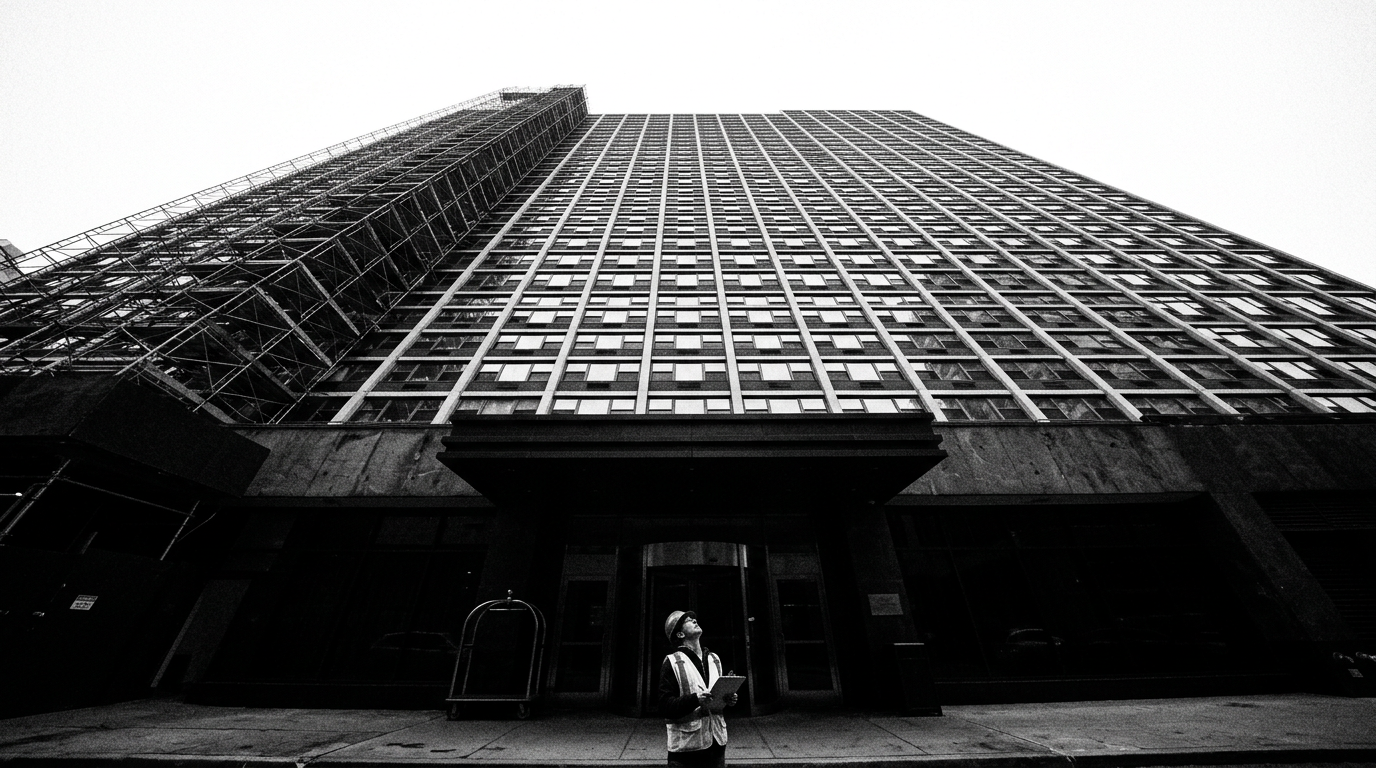
I sat in on a development meeting once... maybe ten years ago... where the ownership group was looking at a mixed-use project. Hotel tower, residential condos above, shared podium, shared systems. The architect kept talking about "synergies." The contractor kept talking about "efficiencies." Nobody talked about what happens when two different regulatory frameworks apply to the same building and the rules change after you've already poured the foundation. That conversation is happening right now across the UK, except the stakes are a lot higher than anyone in the room expected.
Here's what's actually going on. The Building Safety Act 2022, born directly from the Grenfell Tower tragedy that killed 72 people, has been rolling out in phases. The hotel industry largely assumed it was a residential problem. Pure-play hotels... standalone buildings, 24/7 staffing, multiple egress routes, commercial fire systems... were carved out of the "Higher-Risk Building" designation. And that's technically true. But "technically true" is the most dangerous phrase in regulatory compliance. Because the moment your hotel sits inside a mixed-use development with residential units above or beside it, the moment you're running serviced apartments or aparthotels (classified as residential), the moment you've got staff accommodation on upper floors that meets the height threshold... you're in. Fully. And the compliance requirements are not trivial. We're talking 43-week average approval timelines from the Building Safety Regulator just for pre-construction gateway clearance. We're talking a 15-year claims window for work done after June 2022 and a 30-year window for work done before. We're talking insurance premiums that one industry advisor described as going "through the roof" (which is an unfortunate choice of words given the context, but accurate).
The number that should keep you up at night: 74% of UK high-rise residential buildings assessed so far have failed to get their Building Assessment Certificate. Seventy-four percent. Now, the explanation from regulators is that most of these are "technical fails"... documentation gaps, missing audit trails, not necessarily structural deficiencies. But I've been through enough code compliance cycles to know that "technical fail" is a distinction that matters to regulators and lawyers, not to lenders and insurers. Your building either has the certificate or it doesn't. And if it doesn't, your insurance costs reflect that reality. One advisor is telling hoteliers to budget 2-5% of turnover specifically for building safety compliance. On a £10M revenue hotel, that's £200K to £500K a year that wasn't in anyone's pro forma two years ago.
The combustible cladding ban tells you everything about where this is heading. Initially it applied to new residential buildings over 18 meters. Then it was extended to new hotels, hostels, and boarding houses at the same height... effective December 2022. Then to existing hotels undergoing external wall refurbishment. The regulatory ratchet only turns one direction. If you're developing, acquiring, or refinancing a hotel in the UK that has any mixed-use component, any serviced apartment inventory, or any building system shared with residential units, your due diligence just got significantly more complex and your capital planning needs to reflect it. Premier Inn has already been voluntarily stripping combustible cladding from properties over 18 meters. They're not doing that because they're generous. They're doing it because they see where the regulatory trajectory ends and they'd rather control the timing and the narrative than have it controlled for them.
Look... this is a UK story today. But if you think the regulatory logic stops at the English Channel, you haven't been paying attention. Every major market eventually follows the same pattern after a tragedy: inquiry, report, legislation, expansion of scope. The Grenfell inquiry recommendations are still being implemented. The government just released a Construction Products Reform white paper in February. The circle is widening, not shrinking. And for anyone operating mixed-use hotel assets in any developed market, the question isn't whether building safety regulation will affect your P&L. It's when, and whether you'll have budgeted for it before the letter arrives.
If you're managing or owning a hotel in the UK that shares any structure with residential units... mixed-use podium, serviced apartments in the key count, staff housing on upper floors... get a Building Safety Act compliance audit done this quarter. Not next quarter. This one. The 74% fail rate on assessments is telling you that assumptions about exemption are wrong more often than they're right. Budget 2-5% of turnover for compliance costs and bake it into your next ownership report before your lender or insurer does the math for you. And if you're developing new mixed-use in any market, add 43 weeks of regulatory timeline to your pro forma and price the cladding requirements from day one. The cheapest time to comply is before someone tells you to.