The White Lotus Isn't About Your Hotel. Except When It Is.
HBO just started filming Season 4 on the French Riviera, and the last three seasons turned their host properties into global bucket-list destinations overnight. If you think that's just a luxury problem, you haven't been paying attention to what "set-jetting" does to rate expectations across an entire market.
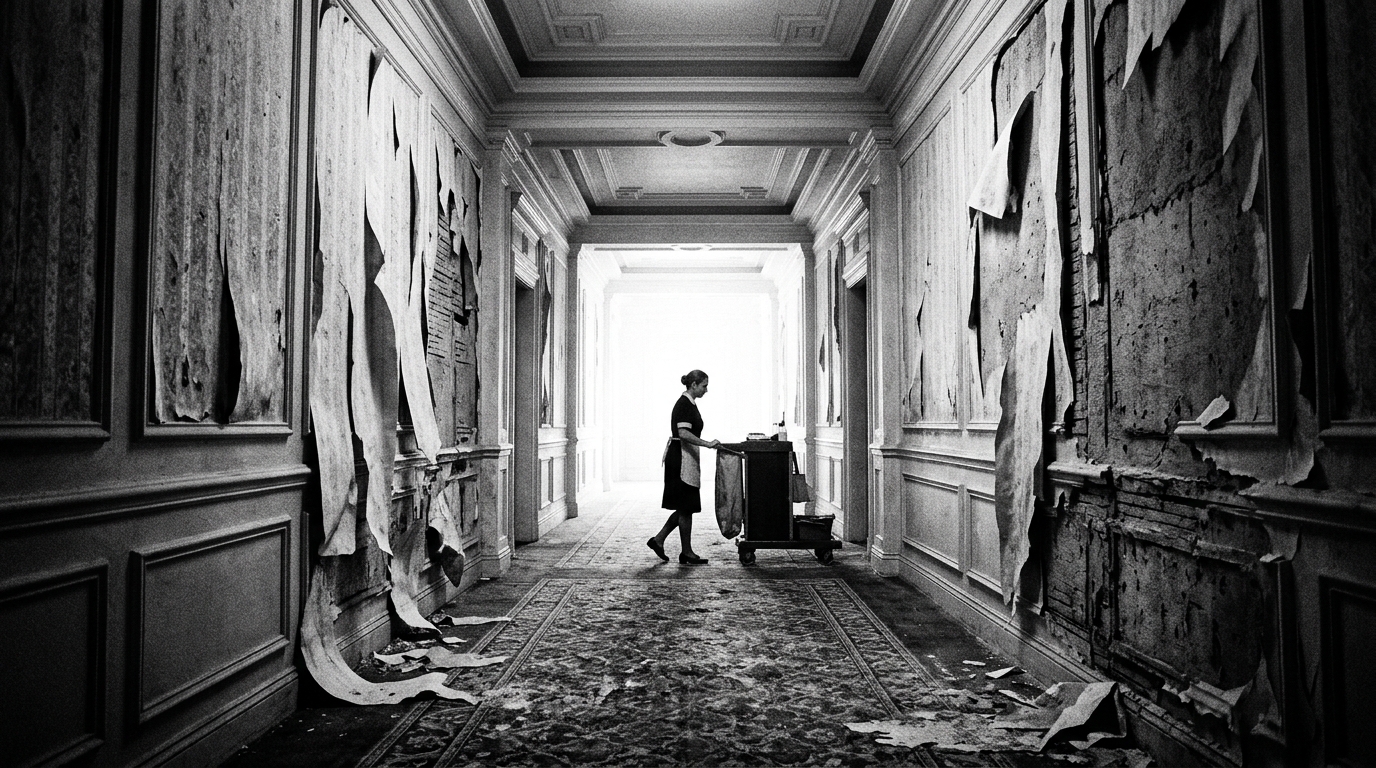
I worked with a GM once in a secondary coastal market who woke up one morning to find his 180-key full-service property trending on social media. Not because of anything he did. Because a Netflix series had filmed at a boutique hotel three blocks away, and suddenly every leisure traveler with a credit card wanted to be in that zip code. His phone started ringing. OTA bookings spiked. He thought it was Christmas in March. Six weeks later, when the hype faded and the rate premium he'd built evaporated, he spent the rest of the year trying to retrain the market back to where it was before the surge. He told me later: "The best month I ever had was the beginning of the worst quarter I ever had."
That's the conversation nobody's having about The White Lotus.
HBO started rolling cameras on Season 4 this week along the Côte d'Azur... Cannes, St. Tropez, Monaco. The properties getting the spotlight this time are the Airelles Château de la Messardière (suites starting around $2,800 a night) and the Hôtel Martinez in Cannes. This is the show that drove a 425% increase in website visits to the Four Seasons Maui after Season 1. That pumped over $40 million in direct spending into Sicily after Season 2. That spiked hotel bookings in Koh Samui by 65% year-over-year after Season 3. The pattern is well-documented at this point. The show airs, the searches explode, the properties book out, and the surrounding markets feel the wave.
But here's what I think about when I see these numbers. The Four Seasons Maui and the San Domenico Palace in Taormina... those properties have the infrastructure, the staffing depth, and the rate architecture to absorb a sudden demand surge and actually capitalize on it. They were built for $1,000-plus ADRs. They have revenue management teams that can ride a wave. What about the 150-key independent down the road that suddenly gets overflow demand from travelers who watched the show and want "the experience" at half the price? That operator doesn't have the staffing model, the service culture, or frankly the physical product to deliver on what the guest saw on HBO. And the guest doesn't care about your constraints. They care about the expectation the show created. You're now competing against a television fantasy, and your TripAdvisor reviews are about to reflect that gap.
The other angle that matters: this season broke from Four Seasons properties for the first time. That's not just a production decision. That's a signal about how Hollywood values hotel partnerships, and it should make every luxury and upper-upscale brand think about what "content adjacency" is actually worth. The properties that land these deals get global exposure that no marketing budget can buy. The ones that don't get it are left competing against the afterglow. Season 4 hasn't even aired yet and I guarantee you revenue managers across the French Riviera are already modeling rate strategies around a premiere date that probably won't happen until late 2026 or 2027.
The White Lotus effect is real. But like everything in this business, the effect hits different depending on where you sit. If you're the featured property, it's a windfall. If you're the comp set three miles away, it's a test of whether your operation can capture elevated demand without destroying your positioning when the cameras move on to the next destination.
This one's for GMs and revenue managers in destination leisure markets, especially coastal properties. When a major show or film puts your market on the map (and it will happen to more markets as streaming content keeps expanding), you get a window of elevated demand. Do not reprice your entire rate strategy around a temporary surge. Build a short-term premium tier... packages, minimum stays, value-adds that capture the demand without resetting your base rate to a level you can't sustain when the wave recedes. This is what I call the Rate Recovery Trap. You push rate during the hype, the market recalibrates to that number, and when demand normalizes you spend the next year trying to convince the same OTA algorithms and the same repeat guests that your rack rate is real. Capture the moment. Protect the baseline. And for the love of everything, make sure your front desk and housekeeping teams are ready for guests who expect a TV set, not a hotel. That expectation gap will show up in your reviews faster than the revenue shows up in your P&L.