Hotel Brands Wading Into Politics Is a Franchise Problem, Not a Marketing One
When travel and tourism brands take public political positions, the person who pays the price isn't the CMO drafting the statement. It's the franchisee in a divided market whose guests just got a reason to book somewhere else.
Let's talk about what happens when brand headquarters decides to have an opinion.
The conversation about travel and tourism companies entering political territory isn't new, but it's accelerating. And the framing is almost always wrong. Media coverage treats this as a corporate communications dilemma: should the brand speak up or stay quiet? That's the wrong question. The right question is: who absorbs the cost when they get it wrong?
The answer is the owner. Every single time.
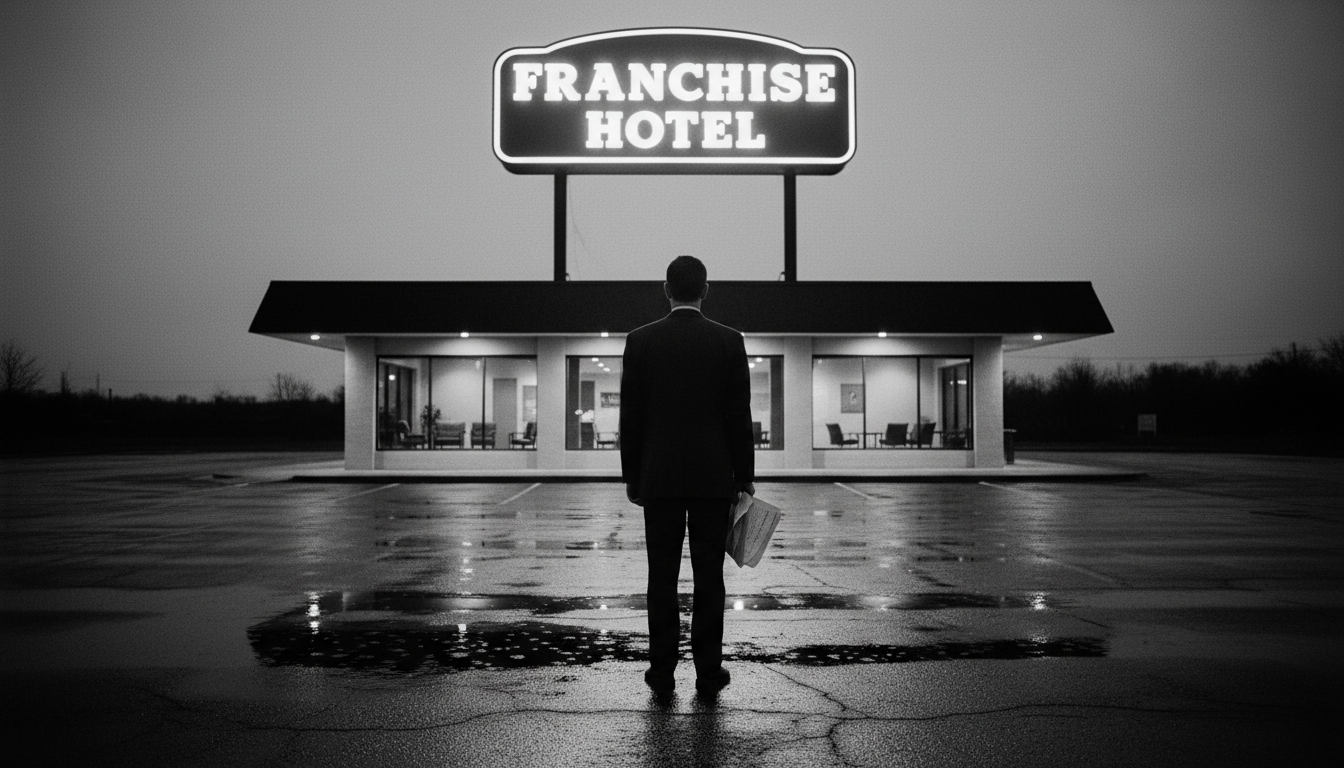
A brand can issue a statement from corporate headquarters in a coastal city, get applause from one segment of the market, generate fury from another, and then move on to the next news cycle. The franchisee operating a 140-key property in a market where the political sentiment runs opposite to that statement doesn't get to move on. They live there. Their staff lives there. Their local corporate accounts have opinions. Their youth sports tournament organizers have opinions. And unlike brand headquarters, the franchisee can't distance themselves from the flag on the building. That flag IS the statement. I sat in a franchise advisory council meeting once where an owner from the Mountain West stood up and said, very plainly, that a brand's public position on a cultural issue had cost him a state government contract worth six figures annually. The brand's response was to send talking points. The owner needed revenue, not talking points.
This is where the franchise agreement becomes the critical document. Most franchise agreements give the brand broad discretion over marketing, communications, and "brand standards" without giving the franchisee any meaningful input on public statements that affect local market perception. The franchisee pays the marketing assessment, the loyalty surcharge, the reservation fee, all of it. And in exchange, they get a brand identity they cannot control and cannot opt out of when that identity becomes polarizing. If you're an owner paying 12-18% of gross revenue in total brand cost, you should be asking a very specific question: does my franchise agreement give me any recourse when brand-level communications damage my local market positioning? For most owners, the answer is no. And that's a problem that should be addressed before the next controversy, not during it.
Here's what I think brands actually owe their franchise networks: a formal communication protocol that includes franchisee input before any public statement that isn't directly related to operations. Not a veto. Input. A process. Because right now, most brands treat franchisees the way a parent company treats a subsidiary, not the way a licensor should treat the people who actually own the real estate and carry the debt. The brands that figure this out will retain their best operators. The ones that don't will find owners increasingly attracted to soft brands, collections, and independent positioning where they control their own narrative. That migration is already happening. Political brand risk is going to accelerate it.
If you're a franchised owner in a politically divided market, pull your franchise agreement this week and find the clause on brand communications. Understand exactly what rights you have and don't have. Then get your franchise advisory council to push for a formal pre-communication protocol before the next news cycle forces the issue. Don't wait for headquarters to figure this out. They won't. They don't have your mortgage.