Consumer Confidence Just Hit a Record Low. Your 60-Day Pace Report Is Already Lying to You.
The April consumer sentiment index crashed to 47.6, gas just broke $4.16, and every major airline raised bag fees in the same two-week window. If you're a revenue manager looking at current pickup and feeling okay about summer, you're reading the wrong line on the report.
I worked with a revenue manager years ago who had a rule she swore by. Every March, she'd stop looking at trailing occupancy and start living in the 60-to-90-day forward window. She called it "the truth zone" because that's where leisure intent either showed up or didn't. She told me once... "Mike, by the time it hits your current week pickup, the damage is already done. You're just counting the bodies."
That's exactly where we are right now.
The University of Michigan consumer sentiment number came in at 47.6 for April. Not a dip. A collapse. Down from 53.3 in March, well below every forecast, and the lowest reading the index has posted in April... ever. Current conditions fell 5.7 points. Expectations fell 5.6. Year-ahead inflation expectations jumped from 3.8% to 4.8% in a single month. And this isn't landing in a vacuum. Gas prices crossed $4.16 a gallon this week (up from $2.99 barely a month ago... that's a 39% spike your guests are feeling every time they fill up). March CPI came in at 0.9% for a single month, with the gasoline index alone jumping 21.2%. And just for the cherry on top, every major airline... JetBlue, United, Delta, American, and Southwest... raised checked bag fees within a two-week window in late March and early April. First bag is now $45-50 depending on the carrier. Southwest, the airline that built its brand on free bags, is now charging $45 less than a year after introducing the fee. When Southwest charges for bags, the consumer cost floor has moved permanently.
Here's what this means if you're running a hotel. None of these things alone kills summer leisure demand. All of them together? That's a compounding squeeze that changes behavior. A family of four driving 400 miles to the beach is now spending $50 more on gas than they were six weeks ago, before they've even checked in. Add $90-100 in bag fees if they're flying instead. Add the general anxiety of watching grocery bills climb and retirement accounts wobble. These people aren't canceling the trip they already booked. They're not booking the trip they were about to book. That shows up in your forward pace 60-90 days out, and by the time you see it in this week's numbers, your pricing strategy for July is already behind. A Numerator study from this week found that 73% of drivers have cut back on other spending because of gas prices... and 30% specifically named travel as what they're cutting. Those aren't hypothetical consumers. Those are your guests deciding right now whether to book that summer weekend.
If you're running a resort or a drive-to leisure property, this is your alarm. Stop looking at where you are today and start stress-testing where you'll be in 8 weeks. What happens to your July forecast if leisure transient volume comes in 10% below current pace? What does your F&B revenue look like if the guests who do show up have already burned $50 extra on gas before they sat down at your restaurant? The ancillary spend compression is real and it's invisible until the month closes. For select-service properties on interstate corridors... you need to be looking at weekend pace weekly, not monthly. Weekly. Because the drive-to leisure traveler makes that decision on Wednesday for Saturday, and when gas is $4.16, some of those Wednesdays end with "let's just stay home." For urban and group-dependent hotels, you've got a slightly longer fuse. But if this sentiment number stays below 50 into May, corporate travel managers are going to start canceling discretionary trips and tightening approval thresholds. Your group sales team should be closing every open summer proposal this week, not next week.
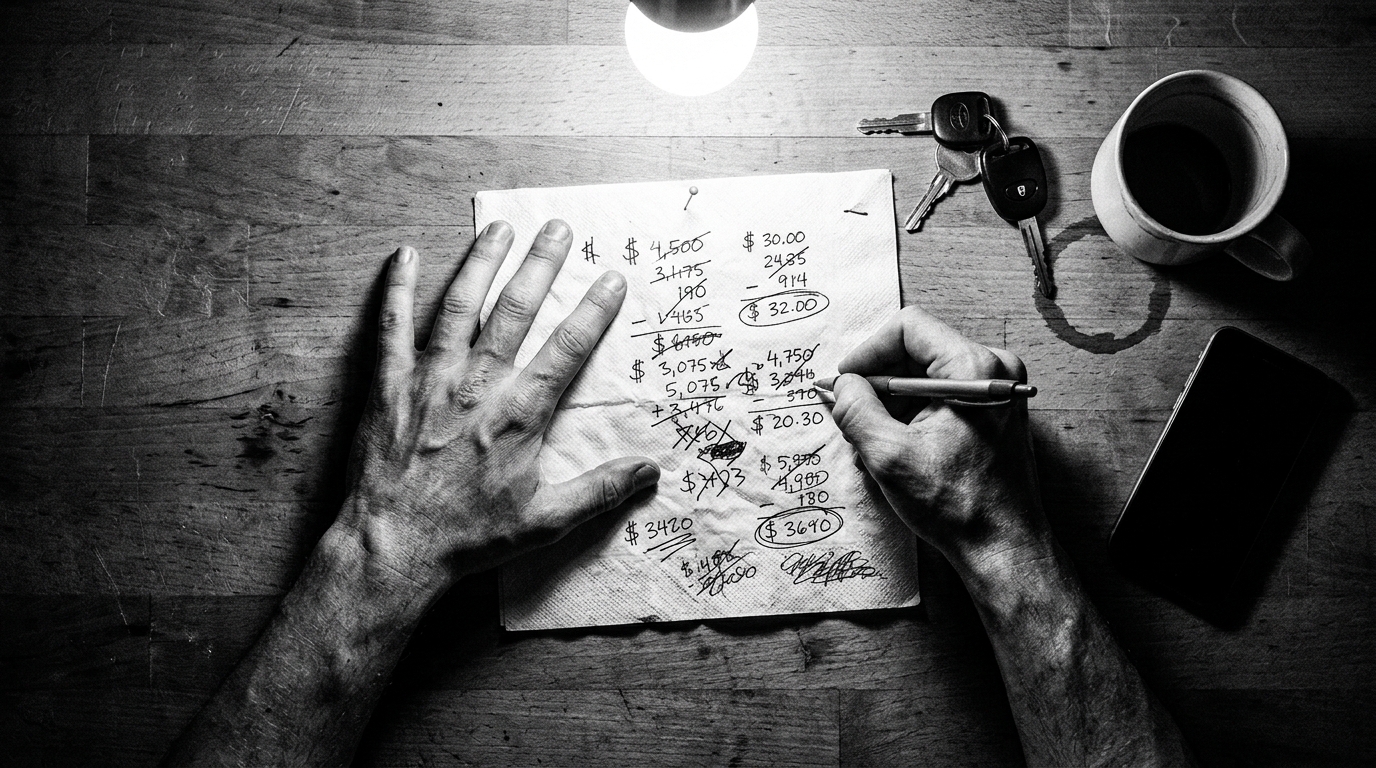
Look... I've managed through enough cycles to know the difference between noise and signal. This isn't noise. When consumer sentiment drops to a record low, gas spikes 39% in a month, CPI prints a 0.9% monthly increase, and every airline raises fees simultaneously... that's signal. And the signal is telling you that the leisure traveler who was going to book your hotel for July is sitting at a kitchen table right now doing math on a napkin. Your job is to have a plan before that math comes out against you.
If you're a revenue manager at a drive-to leisure property, pull your 60-90 day forward pace report Monday morning and compare it to the same window last year. If it's soft... even 5% soft... don't wait. Build a rate strategy now for a scenario where leisure transient volume comes in 8-12% below your current forecast. This is what I call the Rate Recovery Trap... you can cut rate today to chase volume, but you'll spend the next 12 months retraining the market to pay what you were worth before the cut. The better move is targeted packaging that protects published rate while adding perceived value (F&B credits, late checkout, parking). For group sales directors at urban properties... call every open summer proposal this week and close it. Don't send a follow-up email. Pick up the phone. The window to lock summer group business at current rates is measured in days right now, not weeks. And for every GM reading this... bring this to your owner before they see the headline. Walk in with the pace data, the gas price trend, and two scenarios (base case and a 10% volume miss) with your plan for each. That's how you run the building.