Caesars Built Its Own Slot Machine. Every Casino Operator Should Be Watching the Margins.
Caesars just rolled its first in-house slot title across three states, and the move isn't about one game... it's about who keeps the margin when content becomes a commodity. If you run a casino floor or manage a property with gaming, the economics of your content library just changed.
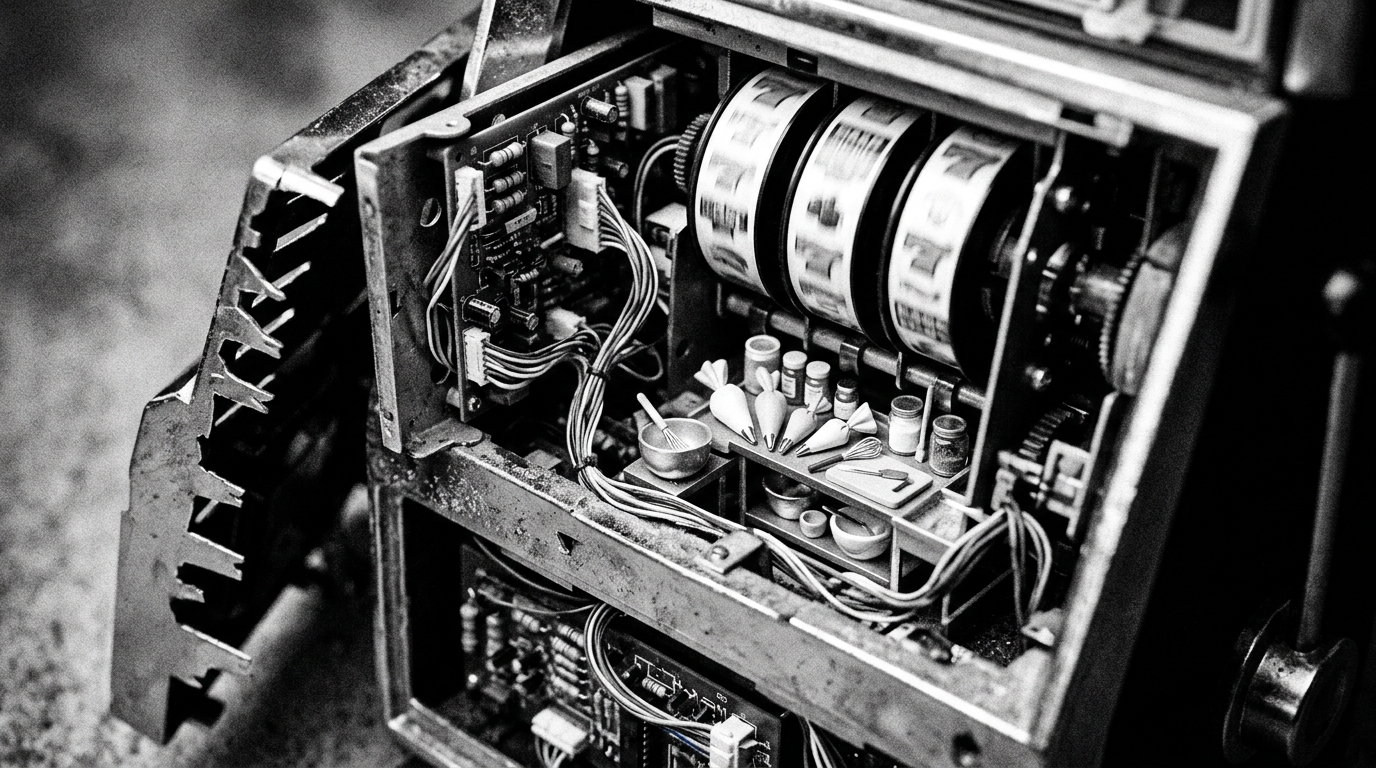
I sat across from a casino F&B director years ago who told me something I never forgot. He said, "The day we stopped buying pre-made desserts and hired a pastry chef, our food cost went up 8% and our dessert revenue went up 40%. The margin was in owning the recipe." He wasn't talking about slot machines, but he might as well have been.
Caesars just pushed its first proprietary slot game, built by its in-house studio, into Pennsylvania and West Virginia after launching in New Jersey earlier this year. On the surface this looks like a tech story. It's not. This is a margin story disguised as a product launch. When you license third-party slot content, you're paying a vig on every spin. When you build your own, that vig stays in-house. And for a company carrying $11.9 billion in debt and posting a $98 million net loss last quarter... even while their digital segment threw off $69 million in adjusted EBITDA (up 60% year-over-year)... finding margin is not optional. It's oxygen.
Here's what nobody in the trade press is connecting. Caesars Digital did $374 million in net revenue in Q1, with iGaming handle up 20%. Those are real numbers. But as every operator who's ever watched their comp set knows, revenue growth without margin improvement is just a treadmill. The in-house content play is Caesars trying to get off the treadmill. Third-party licensing fees are the OTA commissions of the gaming world... they're the cost of not owning the relationship (or in this case, the content). Building your own studio is the equivalent of driving direct bookings. You invest upfront, you own the economics long-term.
The parallel to hotel operations is closer than you'd think. Every branded hotel operator in America pays for systems, platforms, and programs that someone else built and someone else profits from. Loyalty platforms. Revenue management systems. Booking engines. The operator pays the fee, delivers the service, and a slice of every transaction goes back up the chain to the entity that owns the intellectual property. Caesars looked at that model on the gaming side and said "what if we just... own the IP?" The in-house studio isn't one game. It's a pipeline. And if that pipeline produces even three or four titles that perform, the licensing fee savings compound across every market they operate in. West Virginia alone is generating $40 million-plus in monthly online casino revenue, growing 40% year-over-year. Pennsylvania is the second-largest regulated iCasino market in the country. The addressable margin recapture here isn't trivial.
The question I'd be asking if I were running a casino property... or honestly any hospitality operation watching this... is whether the "build versus buy" math has shifted permanently. For decades, the conventional wisdom was that operators operate and specialists build the tools. But the licensing economics have gotten so aggressive that the biggest players are now vertically integrating into content creation. DraftKings is experimenting with proprietary table games. Caesars is building a full studio. And somewhere, a regional operator with 3-4 casino properties is watching this and realizing they'll never be able to build their own content, which means their margin structure is permanently disadvantaged compared to the operators who can. That's the real story. Not one slot game expanding to two new states. The widening gap between operators who own their content economics and operators who rent them.
If you're running a casino property or a hotel with a gaming floor, look at your content licensing agreements this quarter. Not just the headline fee... the per-spin economics, the revenue share structure, the exclusivity windows. Map what you're paying third-party providers as a percentage of gaming revenue. Then ask your regional leadership one question: what's our strategy for owning more of that margin? You may not be able to build a game studio, but you can renegotiate licensing terms, consolidate vendors, and push for performance-based pricing instead of flat fees. The operators who treat content costs like a fixed expense are going to watch companies like Caesars eat their lunch. The operators who treat it like a negotiable line item at least stay in the fight. Same principle applies to any hospitality operation paying platform fees... the margin lives in what you own, not what you rent.