A Shooting at Your Hotel. Now What.
Two people shot at a Sunnyvale hotel. The headline moves on. The GM doesn't. Neither does the staff who has to open the doors tomorrow morning.
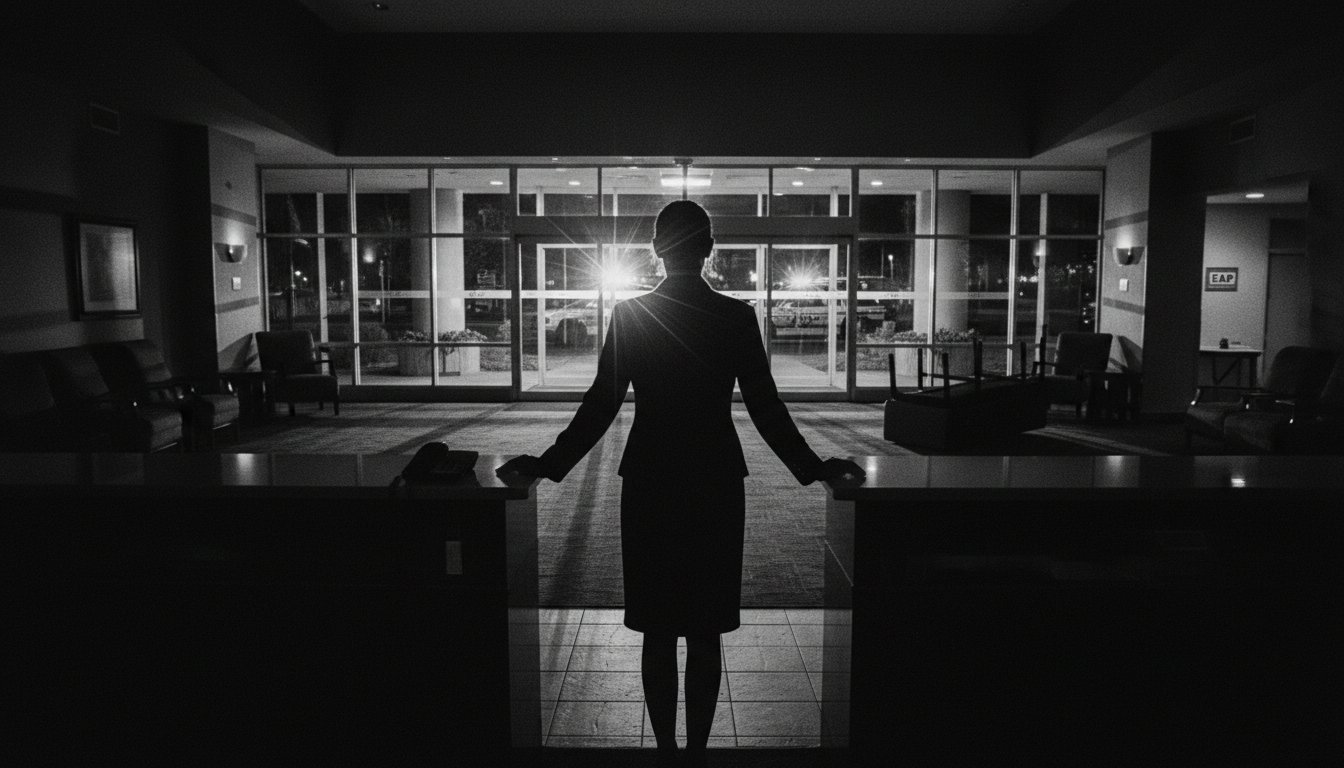
Two people were injured in a shooting at a hotel in Sunnyvale. That's the headline. NBC Bay Area ran it, and by tomorrow it'll be buried under the next news cycle.
But somewhere in that building right now, there's a GM staring at a phone that won't stop ringing. There's a front desk agent who heard the shots. There's a housekeeper who's going to show up for her shift tomorrow and walk past the spot where it happened and nobody in corporate is going to ask her if she's okay.
I've been in this room. Not this specific one... but close enough. When something violent happens at your property, the first 72 hours are a blur of police reports, insurance calls, media requests, and corporate directives that arrive by email from someone who's never set foot in your lobby. And buried underneath all of that, underneath the crisis communications playbook and the legal counsel and the PR team's "approved statement", are your people. The ones who were there.
Here's what nobody's telling you about incidents like this: the short-term crisis isn't the hard part. Police handle the scene. Insurance handles the claim. PR handles the statement. The hard part is what happens six weeks from now when your overnight front desk agent puts in her notice because she doesn't feel safe anymore. When your housekeeping team requests transfers. When your bellman flinches at a loud noise in the lobby and doesn't tell anyone why.
The article doesn't give us much... two injured, shooting at a hotel in Sunnyvale, that's about it. We don't know the circumstances. We don't know if it was guest-on-guest, domestic, random, targeted. And those details matter enormously for the operational response. But here's what doesn't change regardless of the details: that property's team just experienced a trauma, and the industry has almost zero infrastructure for dealing with it.
I've managed properties with over 400 employees. Casino hotels. Strip properties. Places where security incidents aren't theoretical - they're Tuesday. And I can tell you that the gap between what corporate thinks "crisis response" means and what the property team actually needs is massive. Corporate thinks crisis response is a conference call, an approved statement, and an incident report filed within 24 hours. The property team needs someone to look them in the eye and say, "That was terrifying. You're allowed to feel terrified. And here's what we're doing to make sure you're safe."
Most hotel companies don't have an Employee Assistance Program that's worth a damn for this kind of thing. They have a 1-800 number on a laminated card in the break room that nobody's ever called. That's not support. That's liability coverage disguised as compassion.
And the revenue side? Let's talk about it, because someone in asset management is already thinking about it. That property is going to take a hit. Reviews mentioning the incident will surface. Group bookings will ask questions. The sales team is about to have some very uncomfortable calls. A GM who gets ahead of it - who's transparent with guests, visible on property, and focused on making every person who walks through those doors feel genuinely safe - can manage the damage. A GM who hides behind a corporate statement and hopes it blows over is going to watch that property bleed for months.
But none of that matters as much as the people who were working that shift.
I think about my bellman at the Westin who knew every guest's name. I think about my bartender at Hooters Casino who went from being embarrassed about where she worked to wearing the shirt to the grocery store. Those transformations happen because someone - a leader, a GM, a manager - made them feel like they mattered. Like the place they worked gave a damn about them.
What happens at that Sunnyvale property in the next two weeks will determine whether the best people on that team stay or go. And I promise you... the ones most likely to leave are the ones you can least afford to lose. The ones who care the most. The ones who felt it the deepest.
This isn't a security story. It's a leadership story. And most of the industry isn't ready for it.
If you're a GM and you haven't had a critical incident at your property yet... you will. And when it happens, your corporate crisis playbook will cover the legal exposure and miss the human one entirely. Here's what you do before that day comes: identify a local trauma counseling resource now. Not the EAP hotline, but an actual person who can be on property within 24 hours. Build it into your emergency contacts the same way you have your plumber and your fire marshal. When the incident happens, gather your team within 12 hours. Not an email. Face to face. You stand in front of them and you say three things: here's what happened, here's what we're doing about safety, and here's how we're taking care of you. Then you shut up and listen. The GM at that Sunnyvale property has about 48 hours to set the tone for whether the best people on that team stay or walk. Every hour of silence from leadership is an hour your team spends updating their résumé. Don't wait for corporate to tell you what to say. Lead.