A Council Spent £294K Prepping a Hotel Site. The Developer Just Walked Away.
A UK developer backed out of a 42-room seafront hotel six years after signing heads of terms, leaving a council holding the bag on site remediation costs and no building to show for it. If you've ever wondered what happens when public money bets on private timelines, this is the case study.
I once watched a city council spend two years courting a developer for a downtown hotel project. Meetings, renderings, press conferences, the whole show. The developer kept saying the right things... "We're committed, we're excited, we just need a few more months." Then construction costs moved 18% in one direction and the developer's interest moved 100% in the other. The city was left with a cleared lot, a pile of invoices, and a press release they wished they could un-send.
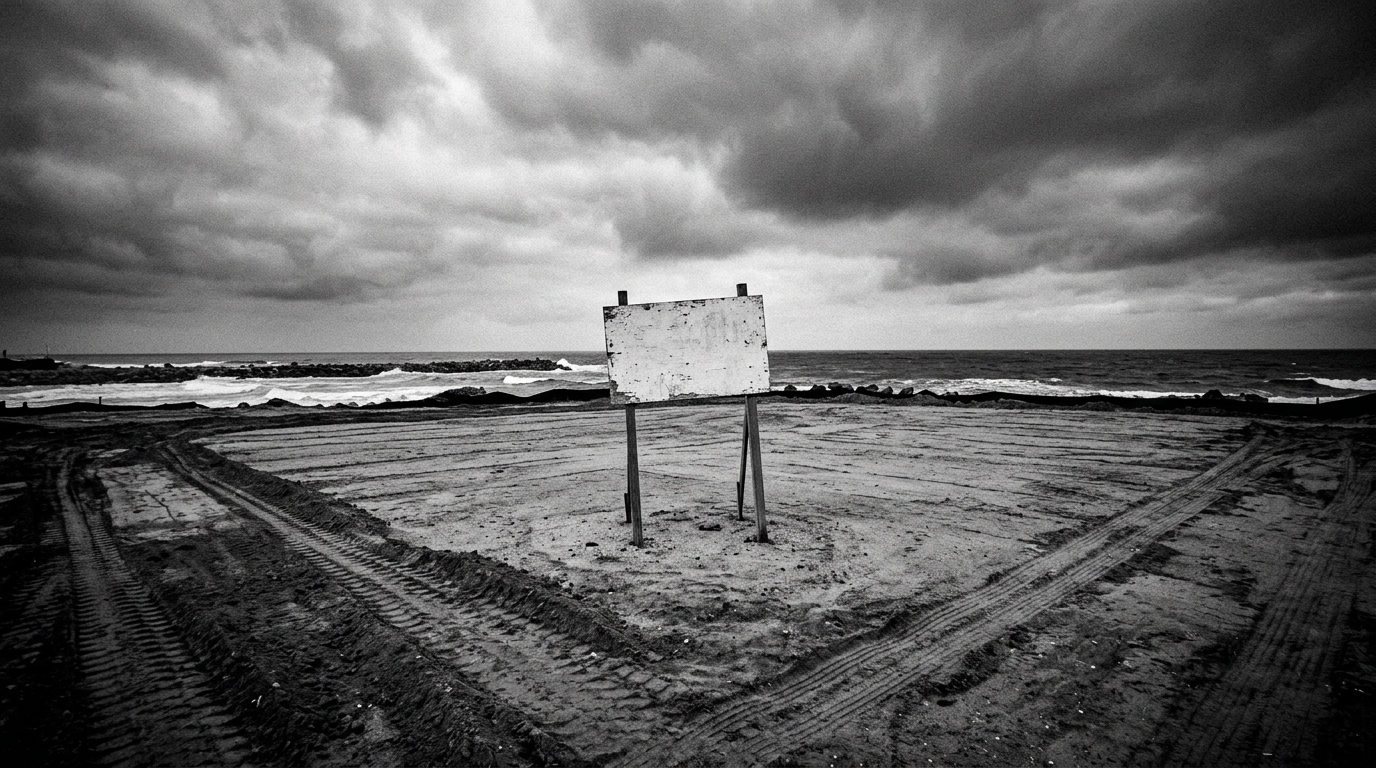
That's basically what just happened in Redcar, on England's northeast coast. A hotel group signed a heads of terms agreement back in 2020 for a 42-bedroom hotel and restaurant on the Coatham seafront. Roughly £6 million in planned investment. The local authority spent £294,000 of public money (from a regional development fund) remediating the land... cleaning it up, getting it ready for construction. Planning permission was granted. As recently as March 2024, officials were publicly saying groundwork was about to begin. And now? The developer is "exploring alternative options." Which is corporate for "we're not building your hotel."
Here's what makes this story universal, not just a UK coastal town problem. The developer in question just secured £125 million in expansion financing in October 2025. They're actively growing... targeting 40-plus locations by 2030. They have money. They have appetite. They just don't have appetite for THIS project anymore. And that tells you everything about where the risk sits in public-private hotel development. The developer's calculus changed (UK construction costs hit their sharpest spike in nearly 30 years in March 2026... costs are forecast to rise another 3.6% this year alone). A project penciled in 2020 at £6 million probably pencils at something meaningfully north of that now. So they pivoted to acquisitions, where the math is more predictable and the timeline is shorter. Rational decision for them. Devastating for the community that spent public funds preparing for a promise.
This is the part that should bother every operator and every municipal official who's been in one of these conversations. The council spent real money... £294,000 isn't nothing... on site prep with no contractual guarantee that the developer would actually build. A heads of terms agreement isn't a binding commitment. It's a handshake with letterhead. And now the council says they're "searching for a new developer" and the site has "attracted interest from multiple investors." Maybe. But a remediated seafront lot with no committed project is a very different sales pitch than a remediated seafront lot with a signed development agreement. The leverage shifted the moment that developer walked.
The broader pattern here is one I've seen play out dozens of times in the US and it clearly works the same way across the pond. Construction cost inflation kills more hotel projects than lack of demand ever does. A project that made sense at 2020 pricing doesn't automatically make sense at 2026 pricing, and the entity holding the bag is almost always the one that can't pivot as fast. A developer can redirect capital to acquisitions overnight. A local government that already spent remediation dollars and staked political capital on a masterplan? They're stuck. That's the structural asymmetry in every one of these deals, and it's the reason municipalities need to think like owners, not like partners, when they put public money on the table for private development.
If you're an owner or developer being courted by a municipality with site prep incentives, tax abatements, or infrastructure investment... understand that those carrots come with invisible strings. The community will expect delivery, and "market conditions changed" is not an answer that plays well in local media or at the next council meeting. Before you sign a heads of terms or accept public funds for a new-build project, stress-test the construction budget at 15-20% above current estimates. If the deal doesn't work at that number, you're making a commitment you might not keep. And if you're on the municipal side of one of these conversations right now, get binding commitments tied to milestones... not letters of intent with escape hatches. A heads of terms agreement without a performance bond or clawback provision is a press release, not a contract. Protect your taxpayers the way an owner would protect their equity.